The discussion about Sri Lanka adopting nuclear power has gained momentum in recent months. The current national government has expressed its support for integrating nuclear energy into the country’s long-term energy strategy as a means of diversifying and strengthening the energy infrastructure. However, before embarking on such a significant initiative, it is essential to examine the complexities and challenges associated with nuclear energy adoption.
In 2022, a team ofexperts carried out a review of Sri Lanka’s readiness to commit to a nuclear power programme in an Integrated Nuclear Infrastructure Review which focused on the first stage of the IAEA’s Milestones Approach for countries that are newcomers to nuclear energy.
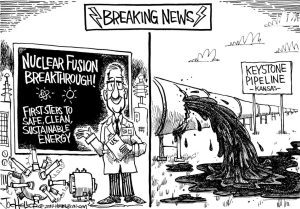
The following arguments have been presented by Dr Lional Bopage and several other concerned citizens from Australia. These arguments point out why Sri Lanka should refrain from pursuing a nuclear energy policy:
1. High Initial Costs and Unsustainable Financial Burdens
The construction of a nuclear power plant is an enormously expensive undertaking, with costs ranging from $6 billion to $9 billion per plant. Additionally, construction timelines often exceed 30 years. For a country like Sri Lanka, already grappling with high domestic debt and recurring financial deficits, such an investment could place unbearable strain on public finances. Long-term operational expenses, including fuel purchases, maintenance, and decommissioning, would exacerbate the economic burden.
By comparison, renewable energy sources such as solar and wind have seen significant cost reductions in recent years. According to the International Renewable Energy Agency (IRENA), global solar photovoltaic (PV) electricity costs fell by 82% between 2010 and 2020. Investing in these rapidly advancing and cost-effective technologies would provide Sri Lanka with a more affordable and sustainable energy future.
2. Lack of Local Expertise and Infrastructure
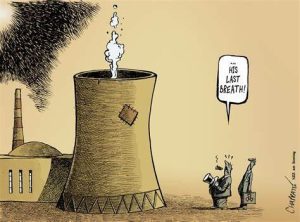
Nuclear energy requires advanced technical expertise, robust infrastructure, and stringent regulatory frameworks, none of which currently exist in Sri Lanka. Establishing the necessary infrastructure would demand significant financial and human resource investments. It would also create a dependency on foreign expertise for technology, training, and operations.
Building the legal, regulatory, and safety frameworks alone could take over a decade, as noted by the International Atomic Energy Agency (IAEA). This dependency would undermine Sri Lanka’s energy independence and pose risks in geopolitical or economic crises that disrupt international cooperation.
3. Challenges in Nuclear Waste Management
Nuclear waste remains hazardous for thousands of years, and there are no universally agreed-upon long-term disposal solutions. For a small, densely populated country like Sri Lanka, identifying secure and isolated locations for waste storage would be a major challenge.
Even advanced nations such as the United States and Japan continue to face unresolved issues with nuclear waste management. For example, the U.S.’s Yucca Mountain nuclear waste repository project has been stalled for decades due to political and technical disputes. Sri Lanka’s limited resources and technical capacity would make managing such waste an insurmountable task, posing long-term environmental and public health risks.
4. Safety Concerns and Global Risk Factors
The safety of nuclear power plants is a critical issue. Even minor errors or natural disasters can lead to catastrophic consequences, as seen in incidents like Chernobyl and Fukushima. Sri Lanka’s vulnerability to natural disasters such as tsunamis, landslides, and floods increases the risk of a nuclear accident.
In the context of climate change, which intensifies natural disasters, the safety risks of nuclear energy are amplified. Sri Lanka’s government must prioritize disaster resilience and avoid creating potential hotspots for accidents with long-lasting ecological and social impacts.
5. Long-Term Commitment with Uncertain Benefits
Nuclear power is not a short-term solution. Construction, operationalization, and achieving cost recovery for a nuclear power plant often take several decades. Given the rapid advancements in renewable energy storage, grid integration, and technology, investing in nuclear power now could leave Sri Lanka tied to an outdated and expensive energy model.
Countries like Germany and Denmark have already shifted focus from nuclear energy to renewables, citing economic and environmental advantages. Sri Lanka should learn from these global trends and invest in more flexible, cost-effective, and environmentally friendly energy options.
6. Strengthening Renewable Energy Foundations
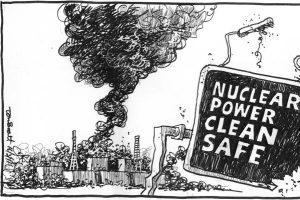
Sri Lanka already has a strong foundation in renewable energy, with hydropower accounting for approximately 45% of its total energy generation. This sector is not only abundant but also relatively cost-effective. Furthermore, significant untapped hydropower potential remains within the country.
Recent developments in solar and wind energy utilization have shown promise, and Sri Lanka should prioritize expanding these sectors. Short-term solutions like small-scale solar plants and coastal wind farms offer scalable, sustainable, and more practical options for addressing energy needs.
Not a Viable Option
Considering the economic, environmental, technical, and safety challenges, nuclear power is not a viable or sustainable option for Sri Lanka at this time. Instead, focusing on developing renewable energy sources can provide the country with a more secure and efficient path to energy independence. By leveraging its existing hydropower capacity and rapidly expanding solar and wind energy sectors, Sri Lanka can meet its energy demands without taking on the risks associated with nuclear energy.