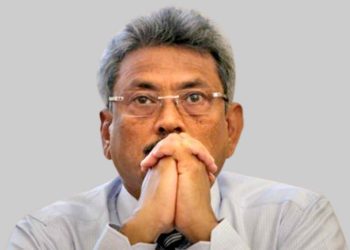
Paetongtarn Shinawatra, a name that has been widely recognized in Thailand, recently made headlines by becoming the country’s Prime Minister. Her rise to power has been closely watched by many, given her family’s deep political roots. As the daughter of former Prime Minister Thaksin Shinawatra, Paetongtarn has inherited a complex legacy. While some view her with admiration and hope, others are cautious due to the controversies that have surrounded her family.
This article takes a closer look at Paetongtarn Shinawatra, her background, her journey into politics, and what her leadership might mean for Thailand.
Early Life and Background
Paetongtarn Shinawatra was born on August 21, 1986, in Bangkok, Thailand. She grew up in a prominent political family, with her father, Thaksin Shinawatra, serving as Thailand’s Prime Minister from 2001 until 2006. Thaksin’s leadership was marked by both achievements and challenges. His policies, such as those focused on reducing poverty and improving healthcare, were popular among many, especially the rural population. However, his tenure was also marred by allegations of corruption and abuse of power, leading to his ousting in a military coup in 2006.
Paetongtarn’s mother, Potjaman Na Pombejra, also played a significant role in shaping her early life. Known for her involvement in business and politics, Potjaman was a strong influence on her daughter’s upbringing.
Paetongtarn was educated both in Thailand and abroad. She attended Chulalongkorn University, one of Thailand’s top institutions, where she earned a degree in Political Science. Later, she pursued further studies in England, where she gained exposure to different perspectives and ideas.
Entering the Political Arena
Despite her family’s deep involvement in politics, Paetongtarn initially stayed away from the political spotlight. Instead, she focused on her business ventures. She held key positions in companies affiliated with her family’s business empire, particularly in the real estate sector.
However, the call of politics eventually proved too strong to resist. In 2023, Paetongtarn made her political debut as a candidate for the Pheu Thai Party, a political party founded by her father. Her entry into politics was met with mixed reactions. Supporters of the Shinawatra family saw her as a continuation of her father’s legacy, hoping she would bring back policies that benefited the poor and rural communities. Critics, on the other hand, were wary of her ties to the past and questioned whether she could truly lead with independence.
Despite these challenges, Paetongtarn quickly gained popularity. Her campaign focused on themes of unity, economic reform, and social justice. She promised to address the economic inequality that has long plagued Thailand and to bring about changes that would benefit all citizens, not just the elite.
Challenges and Controversies
Paetongtarn’s rise to power has not been without challenges. As the daughter of Thaksin Shinawatra, she has faced constant scrutiny. Her father’s legacy, while celebrated by some, remains controversial. Thaksin’s government was criticized for its authoritarian tendencies, and his ousting in 2006 was a result of widespread protests and a military coup. Even after leaving office, Thaksin’s influence in Thai politics remained strong, and his family continued to face legal challenges.
Paetongtarn has had to navigate these complexities carefully. While she has expressed admiration for her father’s achievements, she has also sought to distance herself from the controversies that surrounded his administration. In her speeches and interviews, she often emphasizes that she is her own person with her own ideas.
The political landscape in Thailand is also highly polarized, with deep divisions between different factions. Paetongtarn has had to deal with opposition from both within and outside her party. Some have questioned her experience and ability to lead, given that she is relatively new to politics. Others have raised concerns about whether she can effectively govern a country as complex as Thailand.
Despite these challenges, Paetongtarn has remained steadfast in her commitment to leading Thailand. She has surrounded herself with experienced advisors and has shown a willingness to listen to different perspectives.
A Vision for Thailand
Paetongtarn Shinawatra’s vision for Thailand is one that balances tradition with modernity. She has spoken about the need to preserve Thailand’s cultural heritage while also embracing change and innovation. One of her key priorities is economic reform. She has promised to implement policies that will reduce poverty, create jobs, and stimulate growth. This includes investing in infrastructure, education, and healthcare.
In addition to economic reform, Paetongtarn has also focused on social issues. She has been a vocal advocate for gender equality and has promised to address issues such as domestic violence and discrimination. Her leadership style is often described as compassionate, and she has emphasized the importance of listening to the voices of ordinary citizens.
Another area of focus for Paetongtarn is Thailand’s relationship with the international community. She has expressed a desire to strengthen ties with neighboring countries and to play a more active role in regional organizations such as ASEAN. At the same time, she has also been cautious about maintaining Thailand’s sovereignty and has emphasized the need for balanced diplomacy.
Public Reception and Expectations
The public reception of Paetongtarn Shinawatra’s leadership has been a mix of optimism and skepticism. Many of her supporters see her as a breath of fresh air in Thai politics. They believe that she represents a new generation of leaders who can bring about meaningful change. Her charisma, intelligence, and passion have earned her a strong following, particularly among younger voters.
However, there are also those who remain cautious. Critics argue that her ties to the Shinawatra family could hinder her ability to lead independently. They worry that old political battles could resurface and that Thailand could face renewed instability.
Despite these concerns, Paetongtarn has shown resilience. She has consistently emphasized her commitment to serving the people and has promised to put the interests of the country above personal or family ties. Her ability to navigate the complexities of Thai politics will be a key factor in determining her success as Prime Minister.
Paetongtarn Shinawatra’s journey to becoming Thailand’s Prime Minister is a story of both legacy and innovation. As the daughter of a former Prime Minister, she carries the weight of her family’s political history. However, she has also shown a determination to forge her own path and to lead with integrity.
Her leadership will undoubtedly shape the future of Thailand. Whether she can successfully balance the expectations of her supporters with the challenges of governing a diverse and complex nation remains to be seen. However, one thing is clear: Paetongtarn Shinawatra is a leader to watch, and her impact on Thailand’s political landscape will be significant.
As she steps into this new chapter, the world will be watching to see how she navigates the challenges ahead and whether she can fulfill the hopes of those who believe in her vision for a better Thailand.