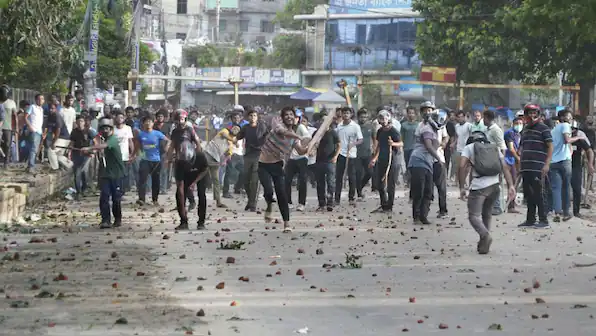

Nearly 78 million internet users in Bangladesh have been cut off from the world since Friday due to government action to control student protests. The government has also imposed a nationwide curfew and restricted local and international phone calls.
Prime Minister Sheikh Hasina’s government has deployed the Army to manage the protests, resulting in deserted roads and social isolation for many who rely on online connections.
The tech industry is badly affected
The Internet disruptions have badly hit the country’s thriving tech industry as they are stranded with their projects due to the issue.
According to the data technology sector generates around $1.4 billion per year in export income from clients in around 80 countries. There are over 4,500 tech companies in Bangladesh and they have provided 750,000 job opportunities for IT professionals. In addition to these corporates, the country’s freelance tech workers population also booming.
As of 2023, Bangladesh, with a population of 170 million, has 77.6 million internet users. Many people use online platforms to pay utility bills, but some are now unable to do so because of the internet shutdown. The protests began with university students opposing the government’s job quota policy, which they argue discriminates against them. This policy reserves one-third of government job opportunities for relatives of war veterans who fought for Bangladesh’s independence from Pakistan in 1971.
110 lives lost 104 government buildings burnt
The student protests quickly spread across the country, leading to violence that has claimed 110 lives and caused extensive damage, including the torching of 104 government buildings and the state broadcaster BTV offices.
To allow people to get their daily needs the curfew was eased for two hours from noon today. After it has been imposed It will last until 10 a.m. on Sunday. The government will decide the continuity of the curfew after assessing the situation reports further said.
Prime Minister Sheikh Hasina, who is leading the Awami League reelected this year. Making Hasina the longest-serving Prime Minister since 2009. 15 years of her continuous premiership, has been credited with significant economic reforms that have tripled the country’s per capita income. Critics, however, claim that these benefits have mainly favored her supporters within the Awami League.