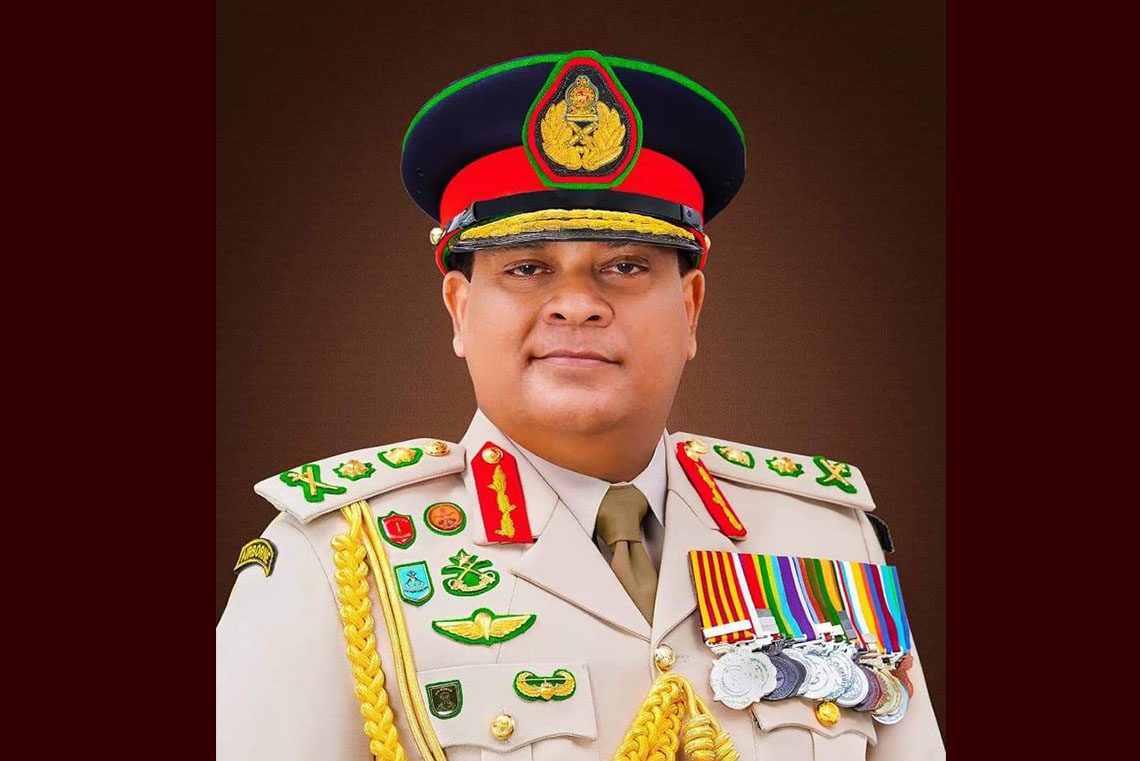

It was Fidel Castro who famously declared, “History will absolve me,” during his trial following the failed attack on the Moncada Barracks in Cuba. Outgoing Chief of Defence Staff (CDS) General Shavendra Silva has echoed a similar sentiment in defending his actions and performance during his tenure.
General Silva faced significant criticism for what some perceived as a lack of decisive action during the Aragalaya protests. He was accused of preventing the destruction of properties belonging to the Rajapaksa family and their allies. Politician Wimal Weerawansa alleged that Silva was influenced by the American Embassy, suggesting ulterior motives in his handling of the crisis.
Responding to accusations, including those from former Commander-in-Chief and President Gotabaya Rajapaksa, General Silva explained that his orders during the protests prioritized the use of minimum force. He expressed a desire to avoid actions that could have exacerbated the situation or caused further unrest, stating that he did not want to be part of undue repression.
Silva claimed he had made strategic moves to curb violence, including efforts to prevent the arson attacks on the homes of parliamentarians, though he refrained from detailing these strategies. He firmly denied accusations of betraying the state, serving foreign interests, or acting as a tool of external powers. Nonetheless, political analysts have called for clarity on what he meant by “the interests of foreign missions,” given the seriousness of such allegations against a senior military officer.
Commenting on the threat to then-Prime Minister Mahinda Rajapaksa’s life during the Aragalaya protests, General Silva highlighted his decision to deploy the Air Mobile Brigade to evacuate Rajapaksa from Temple Trees, where he had been trapped by demonstrators. He maintained that his restraint in using force helped prevent civil unrest that could have had devastating consequences for the country.
Critics, however, argue that the military under Silva’s command failed to protect the peaceful protest at Galle Face Green from violent factions, including elements associated with the Lotus Tower group and the Sri Lanka Podujana Peramuna.
Removed from Position of Army Commander
General Silva was removed from his position as Army Commander on May 31, 2022, and subsequently appointed as CDS seven months before his scheduled retirement. Reflecting on his 41-year military career, Silva defended his legacy, asserting that it could not be questioned. He recalled joining the Army during a time when soldier deaths were routine, attributing those losses to flawed security policies under the then government.
As his tenure comes to a close, the question remains: will history view Shavendra Silva as a steadfast leader who prioritized restraint and strategic decisions, or as a figure whose actions—or inactions—fueled controversy during a critical period in Sri Lanka’s history?