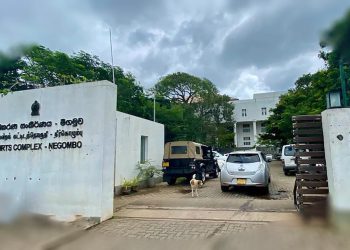
In the sun-drenched hills of Kandy, where misty tea plantations roll like emerald waves and ancient temples whisper centuries of stories, a quiet revolution is unfolding for global cinema. Sri Lanka, long cherished as the “Pearl of the Indian Ocean,” is making it dramatically simpler for foreign filmmakers to capture its magic on screen. At the heart of this change is the National Film Corporation (NFC), which has established a one-stop shop to streamline permissions for international productions.
Gone are the days of the tedious, multi-agency marathon. Previously, foreign crews had to navigate approvals from the Defense Ministry, Archaeology Department, Central Cultural Fund, Wildlife Department, and more often delaying shoots by weeks or months. Now, representatives from these institutions sit under one roof at the NFC’s dedicated unit in Colombo. A single application can unlock clearances for everything from drone shots over pristine beaches to filming amid UNESCO-listed ruins. Speedy, transparent, and filmmaker-friendly this centralized system is poised to position Sri Lanka as South Asia’s go-to destination.
Why Sri Lanka? The Perfect Canvas
Foreign producers, particularly from India and beyond, have long eyed Sri Lanka as an ideal stand-in or star location. Its staggering diversity packs an entire subcontinent’s worth of backdrops into one accessible island: golden beaches fringed by coconut palms, dense jungles teeming with wildlife, rolling highlands shrouded in mist, colonial-era architecture, and vibrant urban markets. Add to that a skilled local workforce, competitive costs, and year-round favorable weather, and the appeal is irresistible.
Hollywood discovered this decades ago. In 1983, Steven Spielberg’s Indiana Jones and the Temple of Doom famously shifted from India to Sri Lanka after script concerns. The lush forests near Kandy doubled as “India,” with the Hantana Tea Plantation becoming the Mayapore village and Pinnawala Elephant Orphanage hosting key scenes. The production, coordinated with local legend Chandran Rutnam, proved Sri Lanka could deliver epic scale and authenticity.
Indian filmmakers followed suit. Productions have used Sri Lanka to portray Indian settings when logistics or sensitivities made shooting on the mainland challenging. Films like Deepa Mehta’s Water and Anurag Kashyap’s Bombay Velvet leaned on the island’s colonial towns, rivers, and heritage sites. Bollywood and South Indian cinema crews increasingly flock here for song sequences, thrillers, and period dramas—drawn by the seamless blend of South Asian cultural familiarity and logistical ease.
Other international projects have embraced Sri Lanka’s versatility too: the Oscar-winning The Bridge on the River Kwai (parts in Kitulgala), The Good Karma Hospital series, and various documentaries and commercials. From towering waterfalls and elephant herds to serene hill country and bustling streets, the island offers “all in one scene” possibilities that few places match.
A Director’s Dream Unfolds
Picture this: Renowned Indian director Priya Sharma arrives in Colombo with her team for Echoes of the Monsoon, a sweeping romantic thriller set against colonial and natural backdrops. In the old system, weeks would vanish chasing separate stamps. Instead, she walks into the NFC’s new unit. Within days, approvals flow: Wildlife Department green-lights a dawn shoot in a national park, Archaeology clears access to a 2,000-year-old stupa, and Defence signs off on coastal drone footage.
Her crew, a mix of Mumbai technicians and local Sri Lankan talent sets up efficiently. They film a tense chase through Kandy’s misty hills (echoing *Temple of Doom*’s energy), a heartfelt reunion on a palm-lined beach in the south, and a cultural festival sequence in a recreated ancient village. Local fixers handle everything from permits to hiring extras and elephants, while the island’s light and landscapes add an unmatched cinematic glow.
“Shooting here feels like poetry in motion,” Priya says in a fictional on-set interview. “The new one-stop system removed the biggest headache. We saved time and money we could pour into the art. Sri Lanka doesn’t just provide locations it inspires stories.”
Boosting the Pearl
This initiative goes beyond convenience. It promises economic ripple effects: jobs for local crews, technicians, and hospitality; growth in film tourism (fans visiting *Indiana Jones* sites); and a revival for Sri Lanka’s own cinema industry. With NFC oversight ensuring cultural respect and national interests, the system balances openness with protection.
As word spreads among producers in Mumbai, Chennai, London, and Los Angeles, Sri Lanka is no longer just a backup—it’s the first choice. Its ancient ruins, living traditions, and natural wonders now stand ready, under one efficient roof, to become the next iconic frame in global cinema.
The cameras are rolling. The Pearl is shining brighter than ever. Lights, camera, Sri Lanka.