Mannar Winds: Powering Profits and a Greener Future
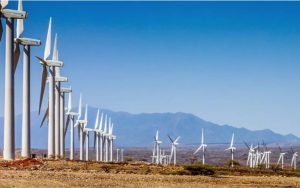
The winds of Mannar aren’t just breezy—they’re booming with potential to reshape Sri Lanka’s energy landscape. Over the past few years, the Thambapavani wind farm in Mannar has quietly proven the case for wind power, generating electricity efficiently and offering a glimpse of how renewable energy could help the country save money and reduce reliance on fossil fuels.
Big Returns from Big Winds
The 103.5 MW wind farm, built by the state-run Ceylon Electricity Board (CEB) with a $200 million loan from the Asian Development Bank, has already delivered impressive results. Over the last three years, the plant produced over 1.1 billion units of electricity, averaging a plant factor of over 40%—a key measure of how effectively a wind power project generates energy.
In fact, the plant exceeded expectations every year, generating 347 GWh in 2022, 391.22 GWh in 2023, and 365 GWh in 2024. These numbers are a testament to Mannar’s unique geography, which benefits from strong winds during both monsoon seasons, making it one of the most consistent wind corridors in Sri Lanka.
What Do These Numbers Mean?
The financials make a strong case for expanding wind power. If the energy produced at Mannar was sold at 4.88 US cents per unit (the rate for a newer 50 MW Windforce project), it would have generated $69 million in revenue over four years. At a higher rate of 8.26 US cents per unit, like the canceled Adani Group project, revenues would climb to $117.43 million—an impressive return for a renewable energy investment.
Clean Energy with a Green Touch
The Mannar plant isn’t just about profit—it’s about protecting the planet. Equipped with bird radar technology, the turbines pause when bird flocks are nearby, minimizing harm to local wildlife. This balance of sustainability and efficiency sets an example for future projects.
Why Wind in Mannar Works
Mannar’s dual-monsoon winds are the secret sauce. They ensure a steady, high energy output compared to other parts of the country. A higher plant factor—like Mannar’s 40%—means better energy generation for the same investment, making wind a cost-effective and reliable power source.
A Roadmap for the Future
Sri Lanka has only scratched the surface of its wind energy potential. The Thambavahinni wind farm shows that large-scale projects can deliver substantial returns, but private sector investment could also play a crucial role. With the right policies and competitive pricing, Mannar’s winds could power more homes, reduce fossil fuel imports, and drive Sri Lanka toward a cleaner, more sustainable energy future.
The winds of Mannar are already making money—and proving that renewable energy is more than just a dream; it’s a reality with enormous potential.