Germany, one of Europe’s strongest economies, is currently facing a significant shortage of skilled workers. With an aging population and a declining workforce, the country is actively seeking foreign professionals to fill vacancies across various industries. While India has already taken steps to capitalize on this demand, Sri Lanka also has an opportunity to send its skilled workforce to Germany, gain valuable experience, and contribute to the development of both nations.
Germany’s Growing Demand for Skilled Workers
The shortage of skilled labour in Germany spans multiple sectors, including Information Technology (IT), healthcare, and engineering. The German government has already signed agreements with Indian states such as Kerala to recruit nursing staff. However, this demand is not limited to India—Sri Lankan professionals can also benefit from these opportunities.
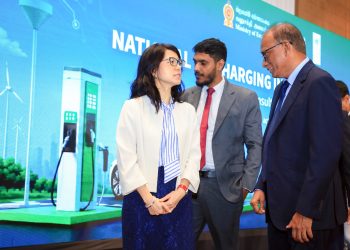
According to Malintha Gajanayake, Head of Corporate Affairs and Export Promotions at the Delegation of German Industry and Commerce in Sri Lanka (AHK Sri Lanka), doors are opening for Sri Lankan workers. “There is a skilled labour shortage, and opportunities are coming up, not only for India. Sri Lankan skilled workers can also go to Germany, gain enhanced knowledge, and later contribute back to Sri Lanka,” he stated during an information session on Transport Logistics 2025.
Potential Sectors for Sri Lankan Professionals in Germany
Several professional sectors in Germany currently have a high demand for skilled workers. These include:
Healthcare Sector
– Nurses, caregivers, and medical technicians are in high demand.
– Germany has already begun hiring nurses from foreign countries, making it an attractive field for Sri Lankan healthcare professionals.
Information Technology (IT)
Software developers, cybersecurity experts, and IT consultants are among the most sought-after professionals.
– With the digital economy growing rapidly, IT professionals with expertise in artificial intelligence, cloud computing, and data analytics have a competitive edge.
Engineering and Technical Fields
– Mechanical, electrical, and civil engineers are highly needed to support Germany’s industrial and infrastructure projects.
– Sri Lankan engineers with specialized skills in automation, renewable energy, and construction can find lucrative job opportunities.
Logistics and Transport
– Germany, as Europe’s logistics hub, requires skilled personnel in supply chain management, shipping, and transport operations.
– Sri Lankan professionals with experience in international trade and logistics can find employment in this sector.
Skilled Trades and Vocational Jobs
– Carpenters, plumbers, electricians, and welders are also in demand.
– Germany’s apprenticeship model allows skilled trade workers to integrate into the workforce efficiently.
How Sri Lankans Can Apply for Jobs in Germany
Although Germany has eased its immigration regulations, there are still specific requirements that skilled workers must meet to work legally in the country. Here are the essential steps:
1. Language Proficiency
– Learning German is a key requirement, especially in fields like healthcare and engineering.
– A minimum B1 or B2 level (according to the Common European Framework of Reference for Languages – CEFR) is often required.
2. Recognized Qualifications
– Applicants must have their academic and professional qualifications recognized by German authorities.
– Some professions, such as nursing and engineering, may require additional training or certification in Germany.
3. Job Offer or Employment Contract
– A valid job offer from a German employer is necessary to apply for a work visa.
– Job seekers can explore opportunities through online portals such as the German Federal Employment Agency (BA) and professional networking sites.
4. Work Visa and Blue Card
– Professionals with a recognized degree and a minimum salary threshold can apply for an EU Blue Card, which facilitates long-term residency.
– The German Skilled Workers Immigration Act has made it easier for qualified professionals to obtain work visas.
5. Financial Stability and Health Insurance
– Applicants must prove they can financially support themselves during the transition period.
– Health insurance coverage is mandatory for all workers in Germany.
The Long-Term Benefits for Sri Lanka
Encouraging skilled migration to Germany can benefit Sri Lanka in multiple ways. Workers can gain international exposure, advanced technical knowledge, and competitive salaries. After gaining experience, they can return to Sri Lanka and contribute to local industries, bringing in expertise and best practices from Europe.
Moreover, remittances from Sri Lankan professionals abroad can strengthen the country’s economy. Germany’s need for skilled workers is an opportunity that, if utilized effectively, can lead to economic and professional growth for Sri Lankan individuals and the nation as a whole.
Final Thoughts
Germany’s labour shortage presents an excellent opportunity for skilled Sri Lankan professionals. With the right qualifications, language skills, and determination, Sri Lankans can secure stable jobs in Germany and build successful careers. As Germany continues to ease immigration rules, now is the time for Sri Lankan workers to explore these new prospects and make a global impact.