
Sri Lanka’s Recovery: Back on Track but Can It Last?
Sri Lanka is showing signs of rebounding to its pre-2022 status, but questions remain about the sustainability of this progress. With the nation gradually emerging from economic turmoil, several key indicators reflect a journey of recovery—though not yet a full return to its past strength.
Aviation Industry on the Mend
Sri Lanka’s airports handled 8.88 million passengers in 2024, a 17.6% rise from the previous year. While impressive, this number is still far from the 18.88 million passengers seen in 2018 before the Easter Sunday attacks and the pandemic. International aircraft movements also climbed to 56,289 in 2024, up from 46,639 in 2023, but below the 62,194 flights recorded in 2019.
On the cargo side, air freight volumes rose to 192,498 tonnes in 2024 from 158,911 tonnes in the prior year. While encouraging, this figure also lags behind pre-crisis levels. Plans to construct a second terminal at Bandaranaike International Airport, delayed by a sovereign default, are expected to resume in late 2025, signalling hope for further recovery in aviation infrastructure.
Economic Indicators: Positive but Fragile
Several factors point to an improving economic situation:
Positive GDP Growth: Sri Lanka’s GDP growth turned positive in the third quarter of 2023 after several quarters of contraction. This indicates a rebound in economic activity1.
Primary Balance Surplus: For the first time on record, Sri Lanka achieved a surplus in both the primary balance of fiscal accounts and the external current account in 2023. This reflects improved fiscal health1.
Stable Inflation: Despite some transitory increases due to administrative measures, inflation has been well-anchored, contributing to market stability.
Declining Interest Rates: Interest rates have been declining, which helps to stimulate borrowing and investment.
Bolstering Official Reserves: Sri Lanka’s official reserves have been increasing, supporting a stable exchange rate and improving investor confidence
Yet, Sri Lanka has not entirely escaped its economic vulnerabilities. The country remains exposed to external shocks, such as fluctuating global energy prices, and domestic issues like political instability could undermine progress.

Tourism
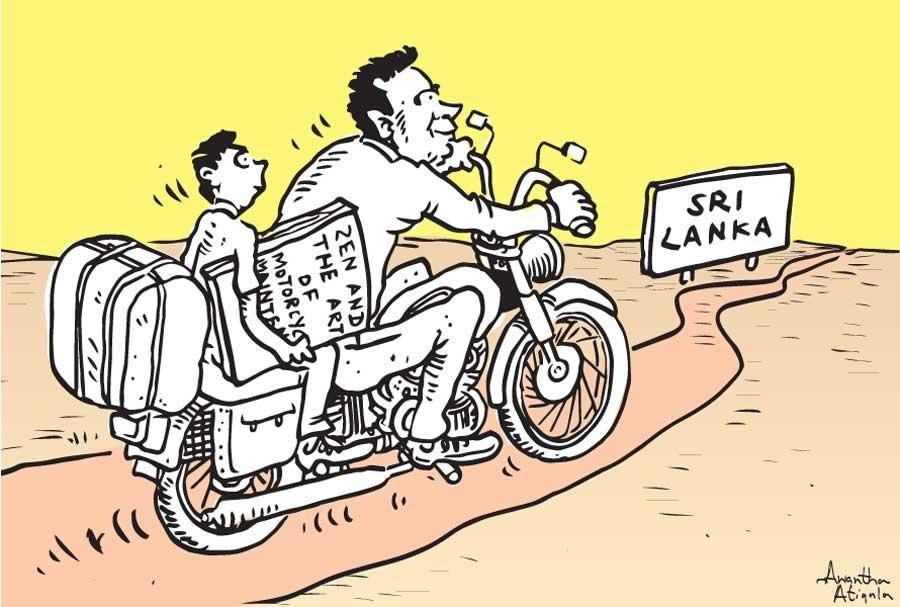
While growth across aviation, tourism, and trade sectors reflects resilience, Sri Lanka’s economy is far from its pre-2019 strength. A key question remains: can the current recovery momentum sustain itself? Infrastructure development plans, low inflation, and improving reserves are promising signs, but their success hinges on political stability and consistent economic reforms.
For now, Sri Lanka is on the right track—back on the radar but not yet flying high
While growth across aviation, tourism, and trade sectors reflects resilience, Sri Lanka’s economy is far from its pre-2019 strength. A key question remains: can the current recovery momentum sustain itself? Infrastructure development plans, low inflation, and improving reserves are promising signs, but their success hinges on political stability and consistent economic reforms.
For now, Sri Lanka is on the right track—back on the radar but not yet flying high