
Agricultural experts and opposition critics have accused the government of playing politics with rice stocks, claiming its decision to release large quantities of rice purchased at lower prices is a calculated move to control market dynamics ahead of the 2024/25 Maha harvesting season.
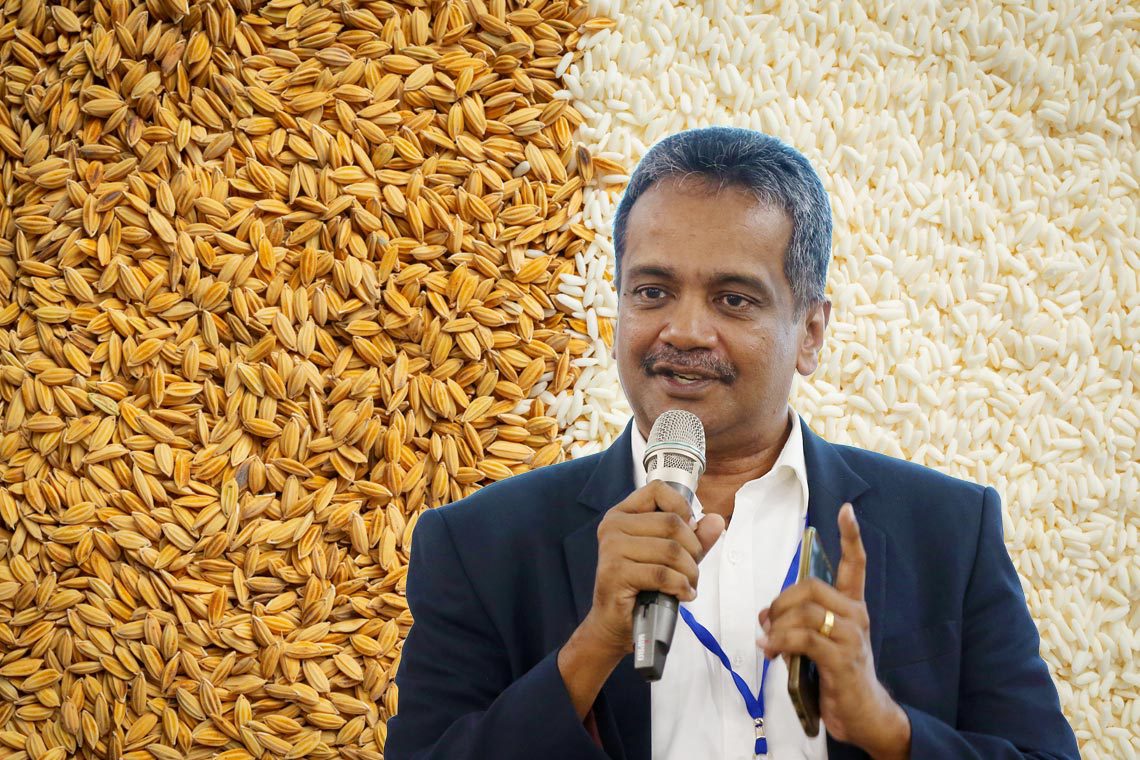
Professor Buddhi Marambe of the Department of Crop Science at the University of Peradeniya has condemned the decision as shortsighted and detrimental to farmers. He questioned the government’s inconsistency, highlighting its earlier criticism of previous administrations for failing to store rice, while now calling tenders to sell 119,000 metric tonnes of Keeri Samba rice.

“This will allow mill owners and traders to manipulate market prices and suppress farmers’ earnings during the Maha season,” Prof. Marambe warned, suggesting that vested interests are driving the decision. He also pointed out the lack of a complete assessment of the damage caused by recent heavy rains and floods, which have already affected an estimated 50,000 hectares of farmland.
The move has raised eyebrows, with opposition politicians alleging that the government is bowing to the influence of powerful rice millers and intermediaries who hold sway over market conditions. “The administration is using rice stocks as a political tool, handing an advantage to its cronies while leaving farmers vulnerable,” one opposition MP charged.
Prof. Marambe projected a potential loss of 250,000 to 360,000 metric tonnes of rice due to flood-related damage, which could further strain the agricultural economy. Meanwhile, the government has imported over 170,000 metric tonnes of rice through public-private partnerships, yet shortages of popular varieties like Rathu Kekulu persist.
Observers argue that the timing of the rice release suggests an attempt to appease urban consumers ahead of upcoming elections, with little regard for the long-term impact on rural farming communities. Critics claim this strategy risks destabilizing an already fragile agricultural sector and undermines the livelihoods of farmers struggling to recover from natural disasters.
The opposition has called for a transparent review of the decision, warning that continued mismanagement of rice stocks could deepen the crisis for both producers and consumers.
Join our WhatsApp / Telegram groups below.