
Reliable political sources unveil a proposal under consideration, suggesting the extension of the current president’s term through the passage of a parliamentary resolution followed by a referendum. This alternative approach aims to alleviate the substantial expenses associated with holding a presidential election amidst the country’s economic challenges.
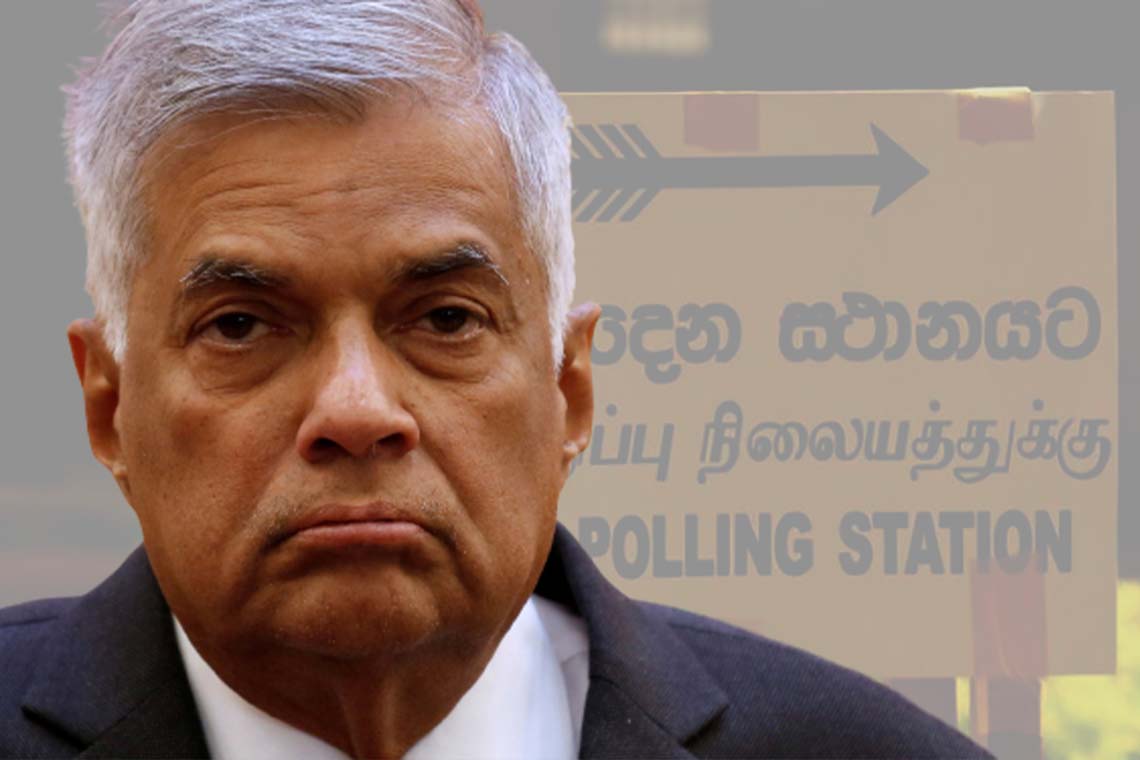
According to the sources, a special committee headed by the Prime Minister has been proposed to determine the suitability of a referendum versus a presidential election. The referendum in question would inquire whether President Ranil Wickremesinghe should be granted another five-year term, potentially enabling his continuation in office.
Considering the impending end of the successor president’s term in November, the Prime Minister-led committee will be entrusted with arranging the necessary preparations for the referendum before that date.
1982 Lampshade Game: Unconventional Referendum
A significant historical precedent lies in the 1982 “lamp nut game,” which stands as the world’s first instance of a vote to determine the necessity of an election. This referendum was initiated by then-President J.R. Jayawardene, an uncle of the current president, under the 1978 Constitution.
The Constitution introduced the requirement for a referendum alongside the general or special approval of Parliament, depending on specific matters. Articles 83, 85, 86, and 87 outline the relevant provisions. As per Article 62(2) of the Constitution, the parliamentary term is six years, necessitating a referendum for any extension.
In 1982, the public was asked, “Do you approve of extending the term of the current Parliament by another six years?” Voters were instructed to mark their ballots with either a lamp symbol to indicate approval or an apple symbol to indicate disapproval.
This election, in many respects, was undemocratic, as it sought to gauge public sentiment against holding an election. Notably, voters expressed their opposition by voting against the extension.
The referendum’s aftermath witnessed rising opposition to the Jayawardene government, culminating in the Janatha Revolt of 1988-1989, which claimed the lives of approximately 60,000 young individuals in the southern region.
Current Status of the Referendum
The President’s primary justification for not holding a presidential election lies in the exorbitant costs that the current economic climate cannot accommodate. The cancellation of local government elections, coupled with the immense economic burden it would impose, further strengthens this argument.
However, reports indicate that the government acknowledges the relative affordability of a referendum. Yet, should the president face defeat in the referendum, the likelihood of a subsequent presidential election raises concerns about doubling the overall costs.
Given the historical context of the 1982 referendum, political sources note the significance of the current President Ranil Wickremesinghe, the nephew of former President Jayawardene, preparing for a referendum to secure another term without a presidential election. Critics argue that such an attempt, bypassing popular vote and relying on parliamentary support, could have negative implications for the country’s future social fabric.