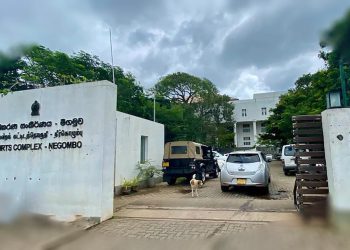

Sri Lanka has recently become a hotspot for cybercriminals, especially from China. The Chinese Embassy in Sri Lanka is also concerned about this growing issue, recognizing that these activities are damaging the country’s image. This concern was highlighted by a recent police raid in Kundasale, Kandy, where over 130 foreigners were arrested at a luxury hotel. The group was involved in illegal cyber activities, turning Sri Lanka into a base for their operations.
Suspicious Arrival of Foreign Nationals
On September 27, a group of Chinese nationals arrived at a luxury hotel on the banks of the Mahaweli River in Naththarampotha, Kundasale. They rented out several rooms for a few months. From the start, their behavior raised suspicions. They told the hotel management that they were working on a special project from Sri Lanka, and they would need the entire hotel for it. The group paid 5 million Sri Lankan Rupees upfront as a deposit, which impressed the hotel staff.
Within a short period, they had reserved 47 out of the 75 rooms in the hotel. The group’s leader told the hotel they needed a separate place to set up their computers and reserved the banquet hall for this purpose. They strictly warned the hotel staff not to enter this hall, claiming it was filled with valuable items, including laptops.
Unusual Requests and Hotel Takeover
The foreign group made several unusual demands. The leader asked the hotel to serve food to the group members at any time they wanted, as they claimed to work around the clock. The group gradually took over the entire hotel, with their numbers growing to around 130 people.
The hotel management saw this as a great business opportunity and decided to meet all their needs without asking too many questions. The hotel even has a helicopter pad, making it one of the most luxurious places in the area. However, accommodating such a large group of foreigners who worked 24/7 became increasingly difficult for the staff.
It is reported that the owner of the Hotel is the brother of a former powerful Minister from Ampara District.
According to a hotel employee, the workers would go to the banquet hall one by one. One group would work while the other slept, and the hall was off-limits to everyone except the group. Staff members were only allowed to provide food and drink. They never knew what was happening inside the hall.
Banquet Hall Turned High-Security Cyber Hub

The banquet hall became the central hub for the group’s activities. It was transformed into a high-security area filled with laptops, computers, and other devices. There were six main computers, 123 laptops, and over 200 mobile phones. The group members rarely spoke English, which made communication difficult. Most of the people were Chinese, but there were also individuals from Vietnam, the Philippines, and Thailand, among other countries. The group included 22 foreign women, most of whom were Chinese nationals.
To communicate more easily with the hotel staff, the group hired a Sri Lankan translator from Baddegama in Galle. The translator was brought in through a foreign tourist guide. According to him, he was paid 150,000 rupees per month to act as a bridge between the foreign nationals and the hotel. His job was to make sure the hotel staff followed the group’s instructions and kept their operations running smoothly.
The foreign nationals brought in their cigarettes, alcohol, chocolates, and other goods from their home countries. In the early days, they mostly requested Chinese food but eventually started eating Sri Lankan meals as well. According to the hotel staff, the group members rarely left their rooms, only going to the main hall when they were scheduled to work.
Police Start Investigation
The mysterious behavior of the foreign nationals soon caught the attention of law enforcement. Senior Deputy Inspector General of Police Lalith Patinayake, in charge of the Central Province, launched an investigation into the group. The police were suspicious about what the group was doing, especially given the large amount of money they were spending on the hotel.
DIG Mahinda Dissanayake, Senior Superintendent of Police Anuruddha Bandaranaike, and Assistant Superintendent of Police Dayal Ilangakoon worked together to plan a raid. The police decided to act when it became clear that this group was involved in illegal activities.
The Raid and Arrests
The police conducted a raid on the hotel, arresting 130 people, most of whom were Chinese nationals. The raid uncovered a large cybercrime operation that had been running in secret. The group had spent an estimated 100 crore Sri Lankan Rupees on their illegal activities. They had also been renting the banquet hall for 90,000 rupees per day.
During the raid, the police seized all the group’s equipment, including laptops, computers, and mobile phones. Everything was set up in Chinese, making it clear that their operations were linked to cybercrimes. The police also found evidence suggesting that some group members were involved in homosexual activities, though the primary focus of the investigation remained on the cybercrimes.
The suspects were presented to the Theldeniya Magistrate’s Court and have since been remanded in custody. The Computer Crime Division of the Criminal Investigation Department (CID) has taken over the investigation due to the complexity of the case.
Sri Lanka: A Growing Cybercrime Hub?
This is the first time that a foreign group involved in cybercrimes has been arrested on such a large scale in Sri Lanka. However, it highlights a troubling trend. Sri Lanka, with its relaxed regulations and easy access to the internet, has become a target for cybercriminals. Foreign nationals, especially from China, are entering the country on tourist visas and conducting illegal activities under the radar.
The rise in cybercrimes, including online scams, lottery fraud, and illegal money transactions, poses a significant threat to Sri Lanka’s security. Cybercriminals are exploiting the country’s efforts to boost tourism by taking advantage of the available internet and communication services.
A Dangerous Situation
Experts warn that if Sri Lanka does not take immediate action to control the growth of cybercrime networks, it could face serious consequences. The country risks becoming a hub for global cyber criminals, much like how Somalia has become a haven for pirates. The situation in Sri Lanka is still in its early stages, but the arrest of 130 foreign nationals signals how quickly things can escalate.
In the past decade, more than 500 foreigners, mostly Chinese nationals, have been arrested for cybercrimes in Sri Lanka. Despite these arrests, the cybercrime networks continue to grow.
Complex Legal Process
Sri Lankan law allows for a maximum sentence of five years for those convicted of cybercrimes. However, these investigations are complex and require specialized knowledge. In this case, the CID’s Computer Crime Division will play a crucial role in gathering evidence and building a strong case against the suspects.
The current situation serves as a wake-up call for Sri Lanka. The country must strengthen its cybercrime laws and take steps to prevent foreign criminals from using it as a base for illegal activities. If left unchecked, Sri Lanka could face severe problems in the future, as cybercrime networks continue to grow and become more organized.
Conclusion
The recent raid in Kandy is a stark reminder of how cybercrime is rapidly evolving. While the arrest of 130 foreign nationals is a significant victory for Sri Lankan law enforcement, it also highlights the challenges ahead. The country must act swiftly to tighten its laws and prevent cybercriminals from using it as a haven. Failure to do so could result in long-term damage to Sri Lanka’s reputation and security.