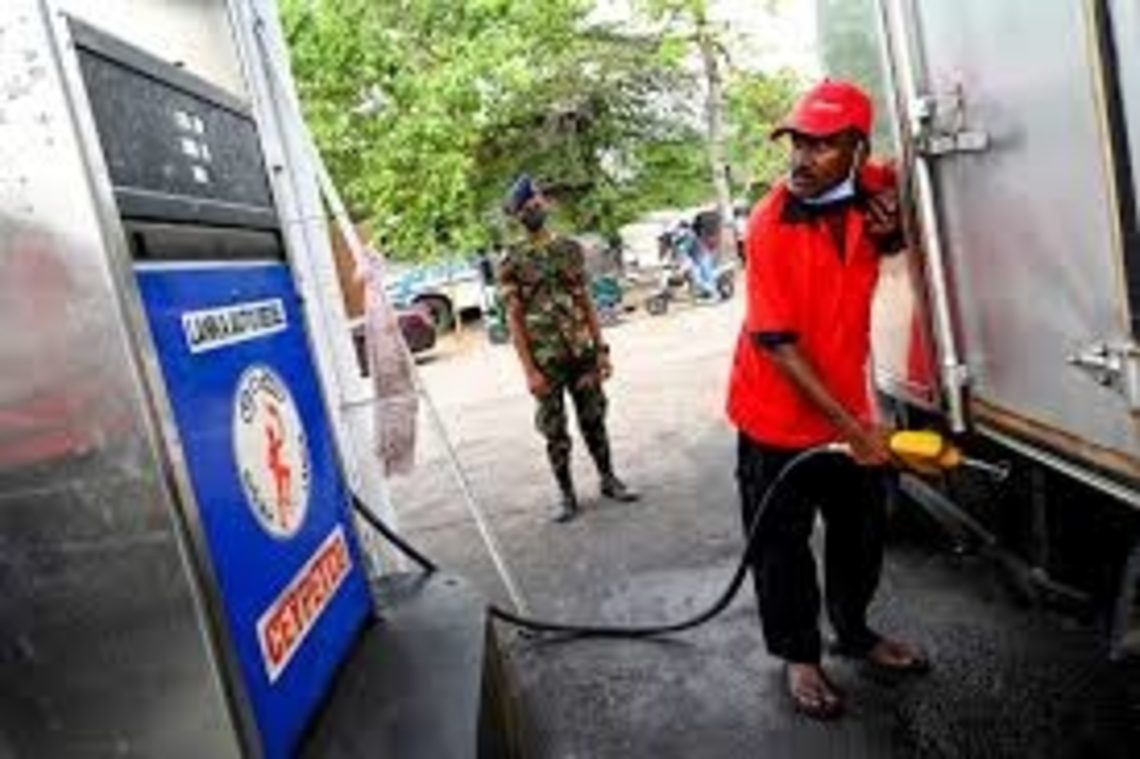

Despite global crude oil prices falling to multi-year lows by the end of 2025, Sri Lankan motorists saw no additional relief at the pump. The Ceylon Petroleum Corporation (CPC) opted to keep domestic fuel prices unchanged on both November 30 and December 31, maintaining rates for two consecutive months even as international prices declined sharply.
The most recent adjustment was made on November 1, when CPC reduced the price of Petrol 92 Octane by Rs. 5 to Rs. 294 per litre, while increasing Super Diesel by Rs. 5 to Rs. 318 per litre. Prices of other fuel categories remained unchanged, with Petrol 95 Octane at Rs. 335 per litre, Auto Diesel at Rs. 277, and Kerosene at Rs. 180. These rates continued through December and into the new year.
In global markets, Brent crude oil, the benchmark used for Sri Lanka’s fuel imports ended 2025 at around $61 per barrel, marking a nearly 20% decline for the year. This was the steepest annual drop since the pandemic-driven crash of 2020. The fall was driven by record oil production in countries such as the United States, Brazil, and Guyana, along with slower demand growth, particularly in China.
Many countries passed on the benefit of lower oil prices to consumers
Many countries passed on the benefit of lower oil prices to consumers, with petrol prices falling noticeably in markets such as the United States. In contrast, Sri Lanka, which relies entirely on fuel imports, did not revise prices during this period.
Throughout 2025, CPC implemented cautious price adjustments, cutting fuel prices several times earlier in the year when global oil prices were lower, while maintaining stability or making minor changes in the latter months.
Lanka IOC, which accounts for about 20% of the local fuel market, mirrored CPC’s pricing structure.
Looking ahead to 2026, global forecasts suggest oil prices may remain subdued unless major supply disruptions occur. Attention is now focused on whether CPC will apply the monthly pricing formula in January and adjust prices accordingly.