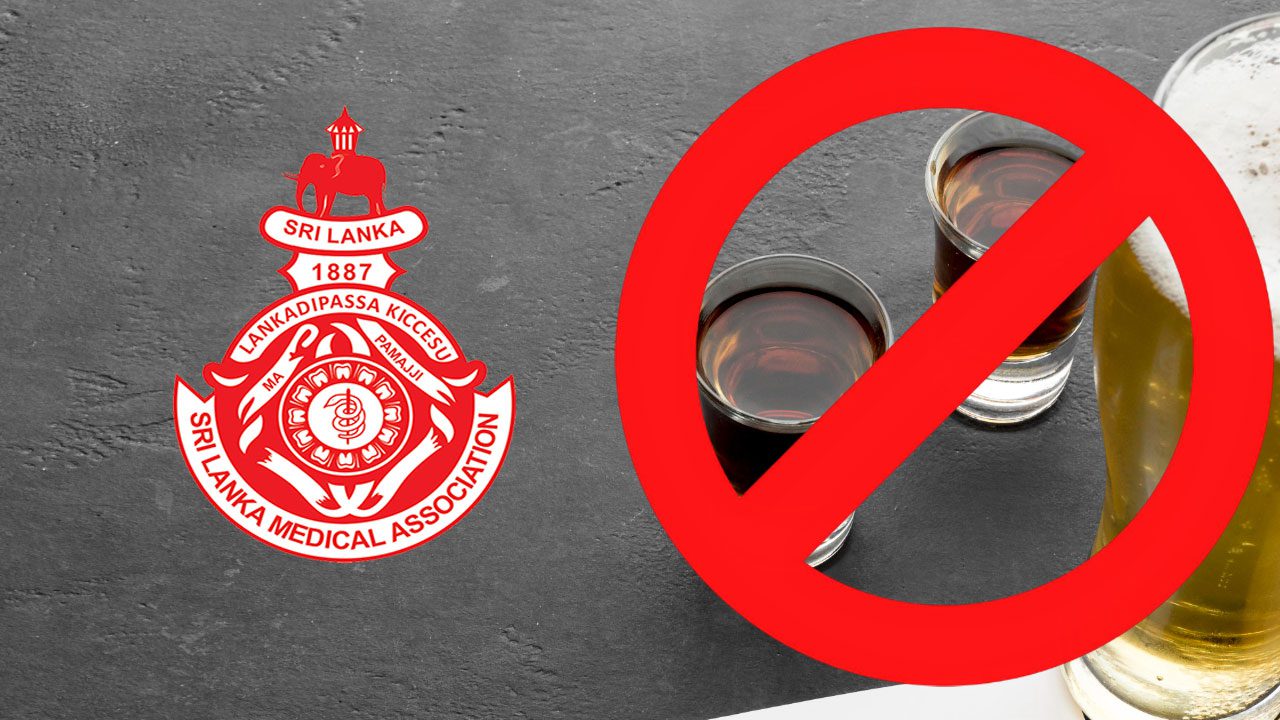

The Sri Lanka Medical Association (SLMA) has voiced robust opposition to a proposal by the Excise Department to introduce a “healthy and low-cost” alcohol product. In a strongly worded letter to Commissioner General of Excise, U.L. Udaya Kumara, SLMA President Dr. Ananda Wijewickrama emphasized that alcohol is inherently harmful and that the concept of “healthy alcohol” is fundamentally flawed.
The letter, co-signed by Dr. Anula Wijesundere, Chair of the Expert Committee on Tobacco, Alcohol & Illicit Drugs, highlighted several concerns.
Key Arguments Against the Proposal
The SLMA asserts that reducing the price of legal alcohol will lead to increased consumption, particularly among young people and socio-economically disadvantaged groups.
The medical experts argue that the illegal alcohol trade in Sri Lanka is minimal compared to the consumption of legal alcohol. Making alcohol more affordable, they warn, would primarily harm vulnerable communities rather than effectively addressing the illegal market.
Sri Lanka’s health system is already struggling under the weight of non-communicable diseases associated with alcohol, such as liver cirrhosis and cancer. The cost of alcohol-related health issues was estimated at USD 885.86 million in 2015. The SLMA fears that this proposal will exacerbate the public health crisis and increase social consequences such as domestic violence, child abuse, accidents, and crime.
Policy Criticism
The SLMA condemns the proposal as short-sighted and industry-friendly, accusing the Excise Department of enabling the alcohol industry at the expense of public health. They argue that the Department should focus on enforcing laws against illegal alcohol production and distribution rather than promoting price competition, which illegal producers are likely to win.
Excise Department’s Justification
The Commissioner General of Excise has defended the proposal, claiming that illegal alcohol causes the department to lose nearly 30% of its revenue. The introduction of a low-cost alcohol product is presented as a strategy to counter this issue and encourage consumers to switch to regulated products.
The SLMA calls on the Excise Department to abandon the proposal and demonstrate competence by strengthening enforcement against illegal alcohol rather than undermining public health through misguided policy initiatives.
As the debate continues, the proposal has sparked a significant clash between public health advocates and regulatory authorities, raising broader questions about priorities in policy-making.