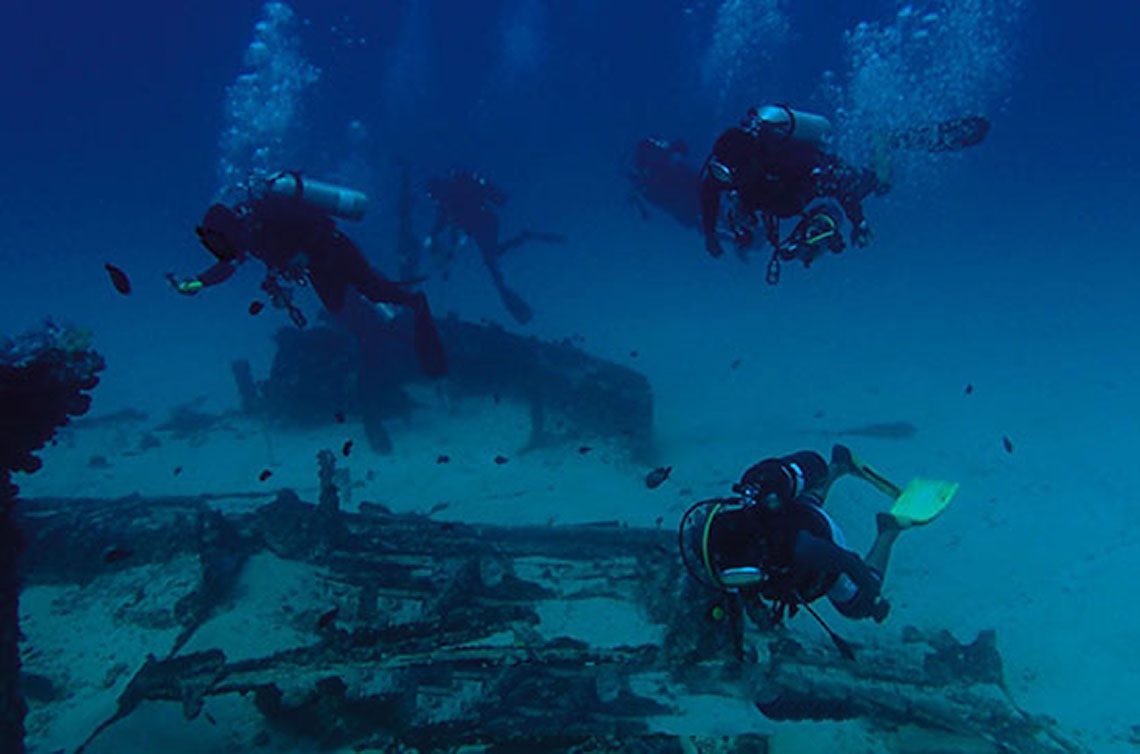

The Sri Lanka Navy has successfully uncovered a rich and fascinating maritime history through a recent exploratory diving operation, surveying several historically significant shipwrecks off the coast of Colombo. The operation, which took place from the 10th to the 17th of March 2025, brought to light the current locations of multiple shipwrecks, each holding historical, archaeological, and ecological value.
Among the wrecks explored were the Coal Wreck, Chief Dragon Car Carrier, MV Astoria, MT Nilgiri, Thermopylae Sierra, MV Pecheur Breton, Taprobane East Wreck, SS Worcestershire, Toilet Barge, SS Perseus, and another yet unidentified shipwreck. Each of these underwater relics tells a unique story from the past and contributes significantly to Sri Lanka’s maritime heritage.

Particularly notable are the SS Worcestershire and SS Perseus, both of which were sunk during World War I, making them remarkable historical artifacts resting beneath the sea. Meanwhile, the Chief Dragon Car Carrier and Thermopylae Sierra have evolved into artificial reefs over time. These structures now serve as vital breeding grounds for fish and safe havens for marine life, showcasing the ecological importance of preserving such wrecks.

The Navy’s dedicated team, consisting of fourteen diving officers and fifteen diving sailors, conducted the dives using atmospheric air and Nitrox air mixes. This approach ensured enhanced safety and efficiency, especially considering the depth and duration of the dives required for such an extensive operation.
This successful mission not only strengthens the professionalism of the Navy’s diving sector but also updates critical information on these shipwrecks, further emphasizing their historical and ecological significance. Moreover, initiatives like these are expected to boost Sri Lanka’s diving tourism industry by promoting these underwater marvels to both local and international diving enthusiasts.
The Navy remains committed to preserving Sri Lanka’s maritime heritage while supporting the country’s growing tourism sector through such important exploratory operations.