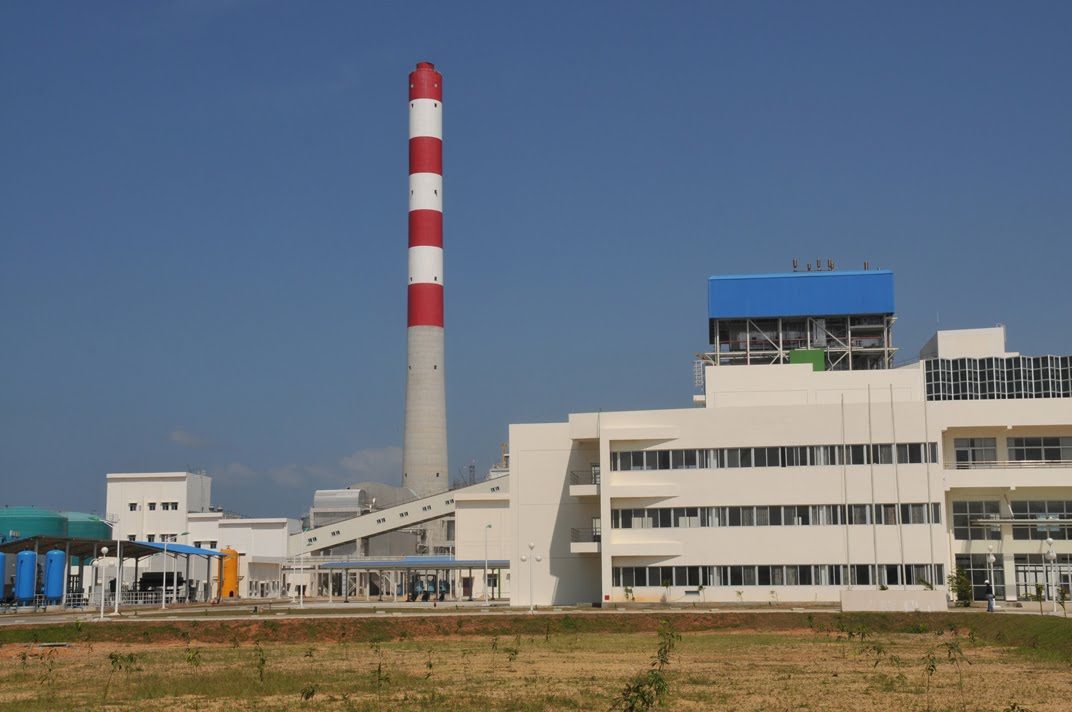

Power Crisis in Sri Lanka: Experts Blame Coal Plants as Blackouts Continue
Sri Lanka continues to experience frequent power outages, with debates raging over the real cause of the disruptions. While some have suggested issues such as increased rooftop solar integration or even interference from wildlife like monkeys damaging infrastructure, energy experts argue that the root cause lies in the failure of the country’s three coal power plants.

Earlier, rooftop solar panels were blamed for causing grid instability, with some Ceylon Electricity Board (CEB) engineers claiming that excessive solar power generation led to imbalances in the system. However, energy expert and former Renewable Energy Ministry advisor Asoka Abeygunawardana refuted these claims, stating that solar users contribute energy to the grid rather than destabilizing it.
Coal Power: A Flawed Foundation
Abeygunawardana highlights that Sri Lanka’s reliance on coal stems from misguided planning dating back to 1990. Rather than aligning with global energy trends favoring renewable sources, CEB planners committed to a coal-based energy model that is now proving unsustainable.
“The coal power system is in a state where it cannot be restored or maintained reliably. The decision to introduce coal plants in Sri Lanka was a mistake from the start,” he said. He argues that had Sri Lanka invested in liquefied natural gas (LNG) plants instead, they would have been compatible with the country’s transition toward renewable energy.
Flawed Grid Planning & Transmission Failures
One of the key reasons for the instability in Sri Lanka’s power supply is that the transmission network was designed exclusively to carry electricity from coal power plants, not from renewable sources like solar and wind. This structural limitation has made it difficult to integrate the growing renewable energy capacity into the national grid effectively.
“The transmission lines were not built to accommodate renewable energy, which has been a disastrous oversight. If planning had been done properly, we could have incorporated solar power without these issues,” Abeygunawardana stated.
The Future of Sri Lanka’s Energy System
With continued power cuts affecting industries, businesses, and daily life, energy policy decisions must be reassessed. Experts stress that Sri Lanka must shift its focus away from unreliable coal plants and invest in a diversified, modern energy mix that includes renewables and LNG.
As the country faces ongoing blackouts, the debate over energy policy grows more urgent. Will Sri Lanka continue down the coal-reliant path, or will it embrace a sustainable, resilient energy future? The answer will determine the stability of the nation’s power supply in the years to come.