The sacred Devnimori Relics of Lord Buddha will be brought to Sri Lanka for public veneration in a major spiritual and cultural event, the Indian High Commission in Colombo announced. The Holy Relics will be on exposition at the Gangaramaya Temple in Colombo from 4 to 10 February 2026, with their return to India scheduled for 11 February.
The exposition is being organised in continuation of the vision expressed by the Prime Minister of India during his visit to Sri Lanka in April 2025, as part of India’s cultural diplomacy and people-to-people outreach rooted in the shared Buddhist heritage of the two nations.

High-Level Indian Delegation to Lead Event
The Relics will be accompanied by a high-level Indian delegation led by Shri Acharya Devvrat, Governor of Gujarat, and Shri Harsh Sanghavi, Deputy Chief Minister of Gujarat, along with senior Buddhist monks and officials.
In keeping with tradition and reverence, the Holy Relics will travel with full State honours aboard a special aircraft of the Indian Air Force. The delegation will take part in religious ceremonies, official events, and the formal inauguration of the exposition in Colombo.
Gangaramaya Chosen for Public Veneration
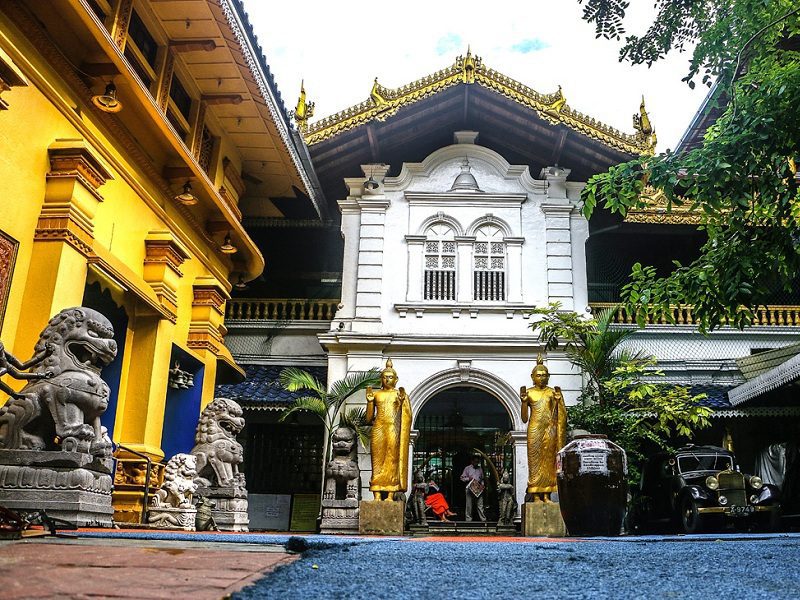
The Relics will be enshrined at the historic Gangaramaya Temple, one of Sri Lanka’s most revered Buddhist institutions. Founded in the late 19th century by Venerable Hikkaduwe Sri Sumangala Nayaka Thera, Gangaramaya is a major centre of worship, learning, and cultural exchange.
The Indian High Commission said the exposition is expected to attract thousands of devotees from across Sri Lanka and further strengthen the deep-rooted Buddhist ties between the two countries.
Origins of the Devnimori Relics
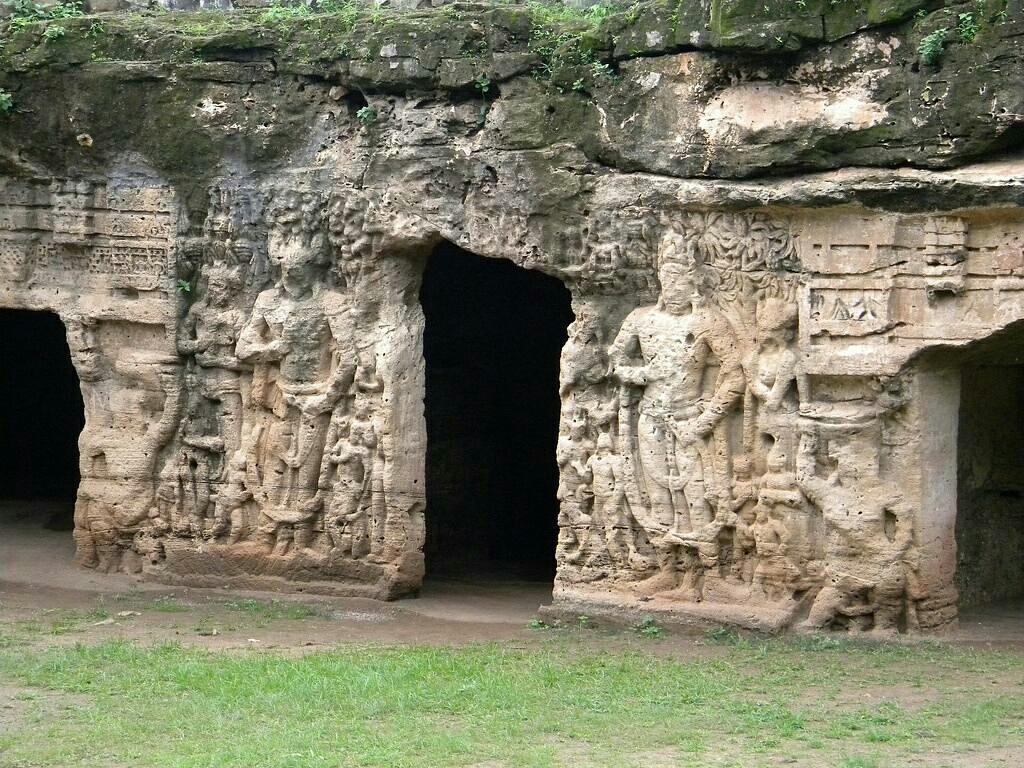
The Devnimori Relics originate from the Devnimori archaeological site near Shamlaji in Gujarat’s Aravalli district. Excavations carried out in 1957 by archaeologist Prof. S. N. Chowdhry uncovered important Buddhist structures and a relic casket believed to contain the bodily relics of Lord Buddha.
The stone casket, made of green schist, bears a Brahmi and Sanskrit inscription reading:
Dashabala Sharira Nilay” – “Abode of the Buddha’s bodily relics.”
Inside the casket was a copper box containing silk cloth, beads, organic material with holy ashes, and a gold-coated silver-copper bottle.
Careful Preservation of the Relics
The Relics are now preserved in an air-tight glass desiccator to prevent deterioration. They rest on a cotton base along with the gold-coated bottle and silk cloth, ensuring their continued protection.
Cultural Diplomacy and Regional Harmony
Beyond its religious importance, the exposition serves as a key element of India’s cultural diplomacy and people-centric foreign policy. By sharing its most sacred Buddhist heritage with Sri Lanka, India reaffirms the civilizational foundations of the bilateral relationship based on shared faith, history, and values.
The High Commission noted that the event also strengthens regional harmony in the Indian Ocean region and highlights Sri Lanka’s role as a valued partner in India’s vision for peace and stability in South Asia.
Part of a Global Buddhist Outreach
India has previously exhibited sacred Buddha relics in countries such as Thailand, Mongolia, Vietnam, Russia and Bhutan, drawing millions of devotees. The Sri Lanka exposition follows the recent repatriation of the Piprahwa Jewel Relics to India, hailed by the Indian Prime Minister as the “homecoming of a priceless national treasure.”
“The exposition stands as a powerful symbol of peace and a reaffirmation of the special and enduring friendship between India and Sri Lanka, rooted in centuries-old civilizational ties and mutual respect,” the statement said.
Join our WhatsApp / Telegram groups below.