
It is no secret that large sums of money are offered to the Katharagama shrine and many question what happens to these offerings.
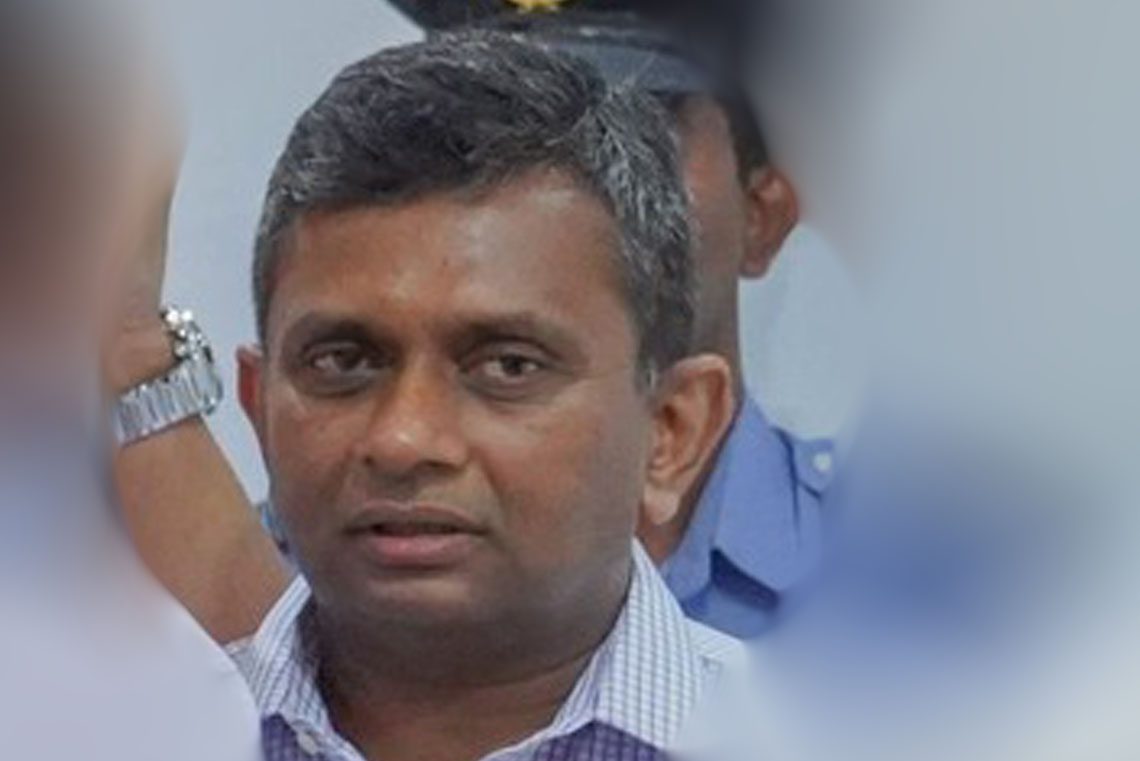
Dishan Gunasekera, the Basnayake Nilame (chief custodian) of the Kataragama Devala, recently revealed that the shrine’s annual income has increased eightfold, from LKR 50 million to LKR 400 million, during his tenure. He attributed this growth not to a miracle but to transparent procedures.
Speaking while inaugurating a state-of-the-art bone marrow and stem cell transplant unit at the Maharagama Cancer Hospital he reveled how financial offerings have been significantly increasing due to transparent procedures.
He said that transparency in financial transactions, which allowed the public to witness the proper use of funds has been rewarding.
Gunasekera made these remarks on the 2nd of January during the inauguration at the Maharagama Cancer Hospital. The four-story pediatric ward complex, funded partly by the devala, is a landmark project supported by the Sri Lanka Air Force’s construction efforts.

Revenue Utilization for Public Benefit
Gunasekera explained that while the devala’s annual revenue now exceeds LKR 400 million, its expenses, including the annual perahera (procession), are only LKR 150 million, leaving LKR 250 million in surplus. This surplus is being reinvested into community projects.
“We used part of these funds for this building,” he stated, adding that LKR 176 million was spent on the construction, with LKR 107 million coming from devala reserves. Donations from devotees for the Maharagama project raised an additional LKR 76 million, leaving LKR 7 million still available.

Advanced Facilities for Cancer Treatment
The newly inaugurated facility brings critical bone marrow transplant technology to Sri Lanka for the first time, addressing a long-standing gap. Previously, children with leukaemia had to seek treatment overseas, which many families could not afford, leading to heartbreaking outcomes.
With this initiative, children battling leukaemia will now have access to lifesaving treatments locally, significantly reducing the financial and emotional burden on families.