Sri Lanka’s economic recovery is at a critical juncture, with one of its most pressing challenges being the ongoing migration of skilled professionals. As the country continues to navigate its sovereign debt crisis, the question remains: will the upcoming national budget provide concrete solutions to slow the brain drain and support economic growth?
Since Sri Lanka declared a sovereign debt default in 2022, there has been a marked increase in the emigration of skilled workers. According to the Sri Lanka Foreign Employment Bureau, a record 312,836 people left the country in 2023, surpassing the previous year’s total of 310,953. This trend is particularly concerning as it includes an increasing number of doctors, engineers, bankers, and other professionals, all of whom play a vital role in the island nation’s economic recovery. The exodus of this highly skilled labor force is seen as one of the main obstacles hindering Sri Lanka’s recovery.

Skilled Professionals
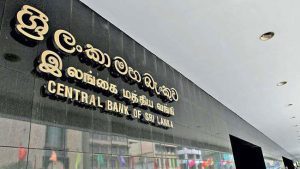
The Central Bank of Sri Lanka has raised alarms about the economic implications of brain drain. In its latest economic projections, Assistant Governor Chandranath Amarasekara warned that the loss of skilled professionals could slow economic growth. “Anecdotal evidence from various sectors suggests that many skilled workers are leaving the country,” he said, highlighting the potential long-term damage to productivity and key sectors.
Private sector banks, which rely heavily on skilled labour, have already begun to feel the strain. Senior officials from leading private banks in Sri Lanka have reported that the “cream” of their staff have left the country. As a result, banks are facing significant challenges in maintaining operational efficiency. According to industry reports, the departure of skilled professionals has created a talent gap that threatens to stifle growth and recovery in the financial sector.

One of the most concerning impacts of this exodus is the shortage of middle-level professionals, which has led to increased pressure on junior staff and lower overall productivity. S. Jegajeevan, Director of the Central Bank’s Economic Research Department, emphasized that this gap in skilled labor could undermine the country’s economic recovery. “The lack of skilled middle-level staff is directly affecting productivity. Junior staff are struggling to keep up, which could slow the growth momentum,” she explained.
In addition to the banking sector, other critical fields such as healthcare and education are also facing severe shortages due to the brain drain. A report by the World Health Organization (WHO) found that more than 5,000 healthcare professionals, including doctors and nurses, left Sri Lanka in 2023, exacerbating the already dire state of the country’s healthcare system. With many healthcare professionals opting for jobs abroad, Sri Lanka’s healthcare infrastructure is left vulnerable, further straining public health services at a time of economic crisis.
The economic impact of this migration cannot be overstated. The loss of skilled professionals weakens the country’s capacity to innovate, reduce inefficiencies, and foster industrial growth. With key sectors such as finance, healthcare, and education losing talent, Sri Lanka’s ability to recover from its economic turmoil is increasingly at risk.
Budget Concessions
As Sri Lanka prepares for the budget presentation by President and Finance Minister Anura Kumara Dissanayaka on Monday, there is growing anticipation about how the government plans to address these issues. Professionals across various sectors have already expressed their expectations, with many calling for tax reductions, wage hikes, and other incentives to make staying in Sri Lanka more attractive. These professionals argue that lowering taxes, particularly income tax, would alleviate the financial pressure many are facing, while wage hikes are seen as essential to retaining skilled workers and preventing further emigration.

Doctors, who have been particularly vocal about their dissatisfaction with their current wages and working conditions, are threatening to leave in large numbers if their demands are not addressed. Many doctors argue that their compensation does not reflect the long hours and high demands placed on them, especially during the ongoing economic crisis. “We need better pay, tax reductions, or both,” said one senior doctor. “Otherwise, many of us will be forced to seek opportunities abroad.”
While there is widespread agreement that addressing the needs of skilled professionals is essential to stabilizing the economy, the government faces a delicate balancing act. On one hand, the country needs to offer financial relief to workers who are key to its recovery. On the other hand, Sri Lanka is grappling with a massive fiscal deficit and debt obligations, which limits the government’s ability to provide substantial pay raises or tax cuts.
The finance minister’s budget will therefore play a crucial role in determining whether Sri Lanka can stem the tide of skilled migration. A failure to provide meaningful solutions to brain drain could exacerbate the nation’s economic difficulties. According to analysts, the government must act quickly to provide incentives that not only retain talent but also encourage those who have already left to return.
Join our WhatsApp / Telegram groups below.