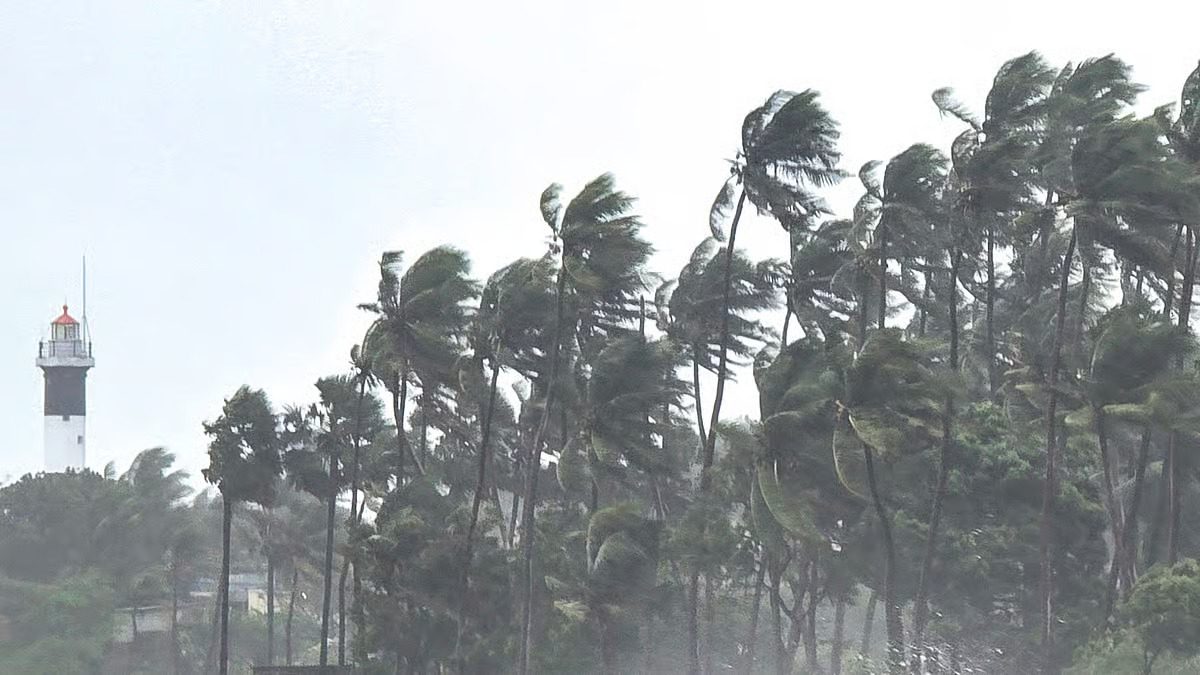

Colombo, Sri Lanka — As the nation mourns the loss of nearly 400 lives to Cyclone Ditta, a second storm has made landfall—this one directly targeting the Department of Meteorology. Accused of keeping the public in the dark despite spotting warning signs weeks ago, top weather officials are now scrambling to defend their scientific reputation against a grieving public demanding answers.
In a tense discussion on Hiru News, weather officials faced the ultimate question: “If you saw this coming on November 12th, why didn’t you scream it from the rooftops?”
The Defense: “Science, Not Crystal Balls”
The Department’s primary defense is grounded in technicality. Officials argue that while they identified a “low-pressure disturbance” in the Bay of Bengal as early as mid-November, labeling it a cyclone prematurely would have been scientifically irresponsible.
“We knew the rains were coming,” one official insisted, pushing back against the narrative of negligence. “But predicting that a low-pressure area would explode into a killer cyclone during the erratic inter-monsoon season? That is not something you can just guess.”
They claim their hands were tied by regional data, noting that even Indian weather bulletins—often the gold standard in the region—did not initially classify the system as an imminent cyclone threat.
The “Bureaucratic Short-Circuit”
Perhaps the most damaging revelation wasn’t about missing the storm, but about confusing the people. The officials were grilled on a bizarre sequence of events on November 25th that likely cost lives:
3:45 PM: A frantic Red Notice is issued, warning of a dangerous depression.
4:00 PM: Just 15 minutes later, the Department releases its standard, automated daily forecast—a “business as usual” report that diluted the urgency of the Red Notice.
When pressed on this deadly mixed message, the defense was frustratingly simple: “That was our routine job.” It was a moment that highlighted a fatal disconnect between rigid government protocol and the fluid chaos of a disaster.
The Easter Sunday Echo
The defense took a grim turn when the disaster was compared to the 2019 Easter Sunday Attacks—a tragedy where intelligence existed but wasn’t acted upon. The implication was clear: authorities knew “something” was coming but failed to grasp the magnitude until the bodies began to pile up.
The weathermen rejected the analogy, citing their reliance on new World Bank-funded numerical models intended to improve accuracy. Yet, they admitted that despite millions in investment and proximity to the Disaster Management Centre (DMC), the message simply didn’t land with the urgency required to evacuate towns before they were swallowed by water.
The Verdict
For the meteorologists, the storm is far from over. Their defense—that they followed protocol and science—rings hollow to a public that feels the system worked on paper, but failed on the ground. As investigations loom, the Department stands firm: they predicted the weather, but they couldn’t predict the catastrophe.