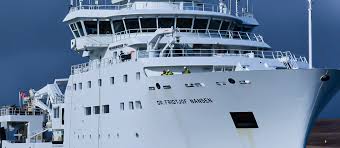

The United Nations’ Food and Agriculture Organization (FAO) research vessel, Dr Fridtjof Nansen, recently made a port call in Sri Lanka before continuing its research activities in Bangladesh. While the vessel initially sought permission to conduct research in Sri Lankan waters, bureaucratic delays prevented authorization for the work. The ship is operated by Norway’s Institute of Marine Research (IMR), which has expressed continued interest in future collaboration with Sri Lanka.
In an interview with Daily Mirror, Ole Arve Misund, IMR’s Special Advisor on Sustainable Development, emphasized the scientific importance of the vessel’s work. He noted that Sri Lanka’s marine resources have declined significantly over the past several years, with fish catches dropping from a peak of 450,000 tonnes in 2015 to around 300,000 tonnes today. Misund stressed that surveys like those conducted by Dr Fridtjof Nansen are critical for sustainable management of fisheries in the country’s exclusive economic zone.
“Scientifically, the loss is significant. A survey of this type provides an overview of the marine ecosystem and fish resources, which is essential for long-term sustainability,” he said. Misund added that the denial of permission was due to procedural delays and that Sri Lanka is now developing standard operating procedures (SOPs) to streamline the approval process for foreign research vessels.

Highlighting the global context, Misund pointed out the increasing geopolitical importance of marine resources. “Many nations are positioning themselves for future resource exploitation. Having clear operational procedures is necessary to manage cooperation and avoid conflicts,” he said, drawing parallels to Norway’s well-established procedures and collaborative work with countries like Russia.
On Sri Lanka’s blue economy, Misund said the fisheries sector’s contribution to GDP has declined from two percent to just one percent, despite the country’s rich marine resources, including tuna, prawns, and lobsters. He also encouraged investment in aquaculture and sustainable maritime activities as part of long-term economic development.
Regarding challenges such as illegal fishing by foreign vessels, particularly from India, Misund suggested strengthening joint commissions and cooperative mechanisms to ensure fair and regulated use of marine resources.
Looking ahead, Misund affirmed that IMR intends to return to Sri Lankan waters, potentially in late 2026 or early 2027, through diplomatic and FAO channels. He also stressed the importance of strengthening local capacities and working with communities to manage fisheries sustainably.
“Coastal fisheries provide healthy food and income, and with sustainable practices, these resources are renewed every year,” he said. He further emphasized the need for Sri Lanka to balance marine resource development with climate-conscious energy strategies, highlighting Norway’s experience in combining offshore oil and gas production with renewable energy initiatives.
(Courtesy: Daily Mirror)