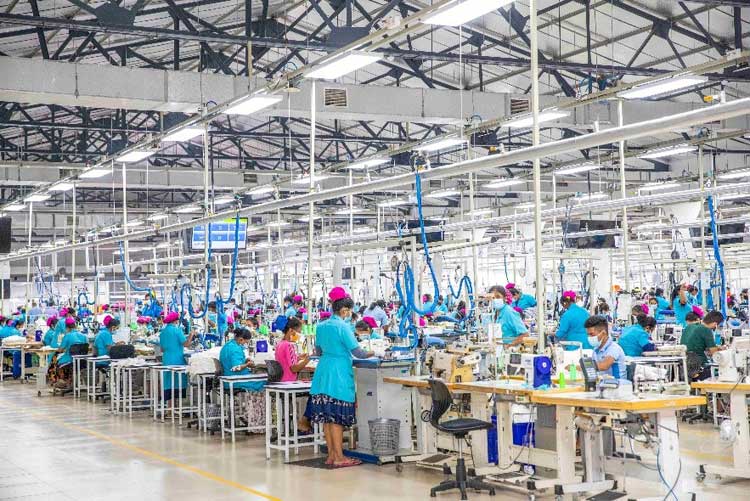

First Capital Research (FCR) warns that Sri Lanka’s apparel export industry could incur losses ranging from USD 110 million to USD 290 million in the short to medium term, primarily due to the imposition of high tariffs by the United States.
In a recent report focusing on the revised US tariff structure, FCR highlights that 60% to 70% of Sri Lanka’s apparel exports consist of value-added products that demand specialized skills and training. However, due to the relatively simple sewing operations involved, international buyers could shift their orders to other countries within six months.
The report estimates that this potential order shift could result in a 10% to 15% decline in export volumes, translating into an export revenue loss of around USD 290 million. Additionally, a separate 5% reduction in apparel exports is expected by 2026, reflecting the broader global economic slowdown—comparable to the contraction seen during the 2009 recession. This would account for an estimated loss of USD 110 million in the near term.
FCR also projects that these factors combined could have a broader economic impact, including a 0.6% reduction in GDP, a 4.2% widening of the merchandise trade deficit, and an 11% drop in employment within the apparel industry.
Short-term order relocations are likely to benefit regional competitors such as Vietnam and India, who offer more favorable trade conditions and cost advantages, FCR noted.
While the United States recently revised its reciprocal tariff on Sri Lankan apparel—lowering it from 44% to 30% as of July 9—the updated rate still significantly impacts the competitiveness of Sri Lankan exports. The effective average selling price for Sri Lankan goods remains higher than those of key competitors in the region.
FCR’s report outlines three possible future tariff scenarios, with the most likely outcome being a reduced tariff of 15%, based on current diplomatic and trade discussions with US authorities.