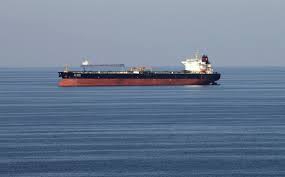

Iran’s parliament has voted to close the strategically critical Strait of Hormuz in a direct response to a U.S. military strike ordered by former President Donald Trump, raising global alarm over an impending surge in oil prices and potential economic fallout.
According to a report by The Guardian, Brent crude was trading around $77 a barrel on Friday, up more than 10% since mid-June, after tensions escalated following Israeli strikes on Iran’s nuclear facilities and retaliatory missile attacks by Tehran.
Trump’s decision to join the fray with American firepower has intensified the crisis, with analysts warning that the geopolitical instability could push oil prices sharply higher when markets reopen at 11 p.m. UK time on Sunday.
The Strait of Hormuz serves as the exit point for approximately 20% of the global oil supply, making it a crucial artery in international energy trade. Although the parliamentary vote to close the strait is not final, it requires approval from Iran’s Supreme National Security Council, it has already sent shockwaves through energy markets.
Jorge León, geopolitical analyst at Rystad Energy and former OPEC official, told *The Guardian* that oil prices are expected to spike: “If Iran launches direct attacks or targets regional energy infrastructure, prices could skyrocket. Even without immediate retaliation, markets will likely factor in higher geopolitical risk.”
SEB analyst Ole Hvalbye anticipates Brent crude could rise by $3 to $5 a barrel when markets resume trading. Meanwhile, JPMorgan has previously warned that prices could surge to as high as $130 per barrel if the strait remains closed for an extended period.
Iranian leaders have repeatedly threatened to shut the Hormuz route if the nation’s interests are jeopardized. Any long-term disruption could drive global inflation higher, making everything from fuel to transported goods more expensive, potentially tipping the world economy into recession.