Artificial Intelligence (AI) has transitioned from the realm of science fiction into a tangible part of our everyday lives. Whether we realize it or not, AI is embedded in various aspects of our daily routines, working quietly in the background to make tasks easier, faster, and even more enjoyable. This article explores how AI enhances our lives, from streamlining daily activities to transforming professional workflows, all while being accessible to everyone, regardless of their tech savvy.

The Quiet Integration of AI in Daily Life
From the moment we wake up, AI is at work. Whether it’s the digital assistant that sets our morning alarm or the app that recommends the best route to work, AI is subtly making our day more efficient. This seamless integration often goes unnoticed, yet it plays a significant role in shaping how we interact with technology and the world around us.
AI can be broadly categorized into two types: software/methodology and embodied technologies. The former includes AI applications like chatbots and voice assistants that require no additional hardware, while the latter refers to AI-driven devices like self-driving cars and drones.
Streamlining Daily Activities
1. Taxi Booking Apps

When you book a ride through apps like Uber or PickMe, AI is behind the scenes making sure your ride is just a few minutes away. By analyzing historical data and current traffic conditions, AI matches you with the nearest driver and even suggests the fastest route to your destination. This ensures that you get where you need to go quickly and efficiently, all thanks to AI’s ability to optimize resources in real time.
2. Voice Assistants
Digital assistants like Siri, Google Assistant, and Alexa have become indispensable tools for many. These AI-powered assistants can set reminders, play your favorite music, or control your smart home devices with just a voice command. By understanding and processing natural language, these assistants make it easier to manage tasks hands-free, contributing to a more convenient and efficient lifestyle.
2. Chatbots
 One of the most versatile AI tools available today is the chatbot. Chatbots like ChatGPT, developed by OpenAI, are powerful language models capable of understanding and generating human-like text. They assist with a variety of tasks, making them invaluable for both professional and personal use. For students, chatbots can help find relevant information, summarize research papers, and even generate ideas for projects and essays. For professionals, they can draft emails, create presentation content, and offer feedback, saving time and enhancing productivity.
For non-professional users, chatbots can assist with everyday tasks like writing personal emails, generating to-do lists, and planning events. They’re also handy for creative pursuits, helping to write stories, poems, or other creative pieces by providing inspiration and assistance in the writing process.
4. Image Recognition
AI technologies like Google Lens use image recognition to identify objects and provide information about them. Whether you’re trying to identify a plant or translate text in a foreign language, AI can analyze images and deliver relevant information instantly, making everyday tasks simpler and more informative.
5. Email Filtering
An overflowing inbox can be overwhelming, but AI helps by filtering out spam and categorizing emails into different folders. Tools like Gmail’s smart reply and spam detection ensure that important messages are prioritized while junk mail is kept at bay. This makes managing emails less time-consuming and more efficient, allowing users to focus on what truly matters.
Transforming Professional Life
AI isn’t just making our personal lives easier; it’s also revolutionizing the professional world by enhancing productivity and efficiency.
1. Fraud Detection in Banking
AI plays a crucial role in safeguarding financial transactions. Banks use AI algorithms to detect fraudulent activities by analyzing transaction patterns and identifying unusual behavior. This proactive approach helps protect users’ accounts from unauthorized access and fraudulent transactions, ensuring greater security and trust in financial institutions.
2. Navigation and Travel
AI enhances travel experiences through navigation apps that provide real-time traffic updates, route recommendations, and estimated arrival times. Whether you’re driving or using public transportation, AI ensures that you have the most efficient route available, saving you time and reducing stress.
3. Self-Driving Vehicles
The development of self-driving cars is a significant milestone in AI technology. These vehicles use AI to interpret sensor data, make real-time decisions, and navigate roads safely. Although fully autonomous cars are still emerging, the technology promises to revolutionize transportation, making travel safer and more efficient in the future.

4. Facial Recognition Technologies
 Facial recognition AI is becoming commonplace in security systems and personal devices. It helps unlock phones and verify identities, providing a secure and convenient way to access sensitive information. This technology is also used in public spaces for security and surveillance, further enhancing safety in our communities.
5. Productivity Tools
In the professional realm, AI-driven tools are enhancing productivity and efficiency. Scheduling assistants like Clara and X.ai can coordinate your meetings, eliminating the back-and-forth of emails. Project management tools such as Trello, Notion, and Asana use AI to prioritize tasks and predict project timelines, ensuring you stay on track. Virtual meeting platforms like Zoom incorporate AI features for background noise reduction and real-time
transcription, making remote collaboration smoother and more effective.
AI in Specialized Fields
1. Healthcare and Medicine
AI is revolutionizing healthcare by assisting in diagnosing diseases, personalizing treatment plans, and managing patient care. Algorithms analyze medical data to detect conditions like cancer early and suggest treatment options. AI-powered health apps and wearable devices monitor vital signs, offering real-time health insights and personalized recommendations for improving health and well-being.
2. Agriculture and Farming
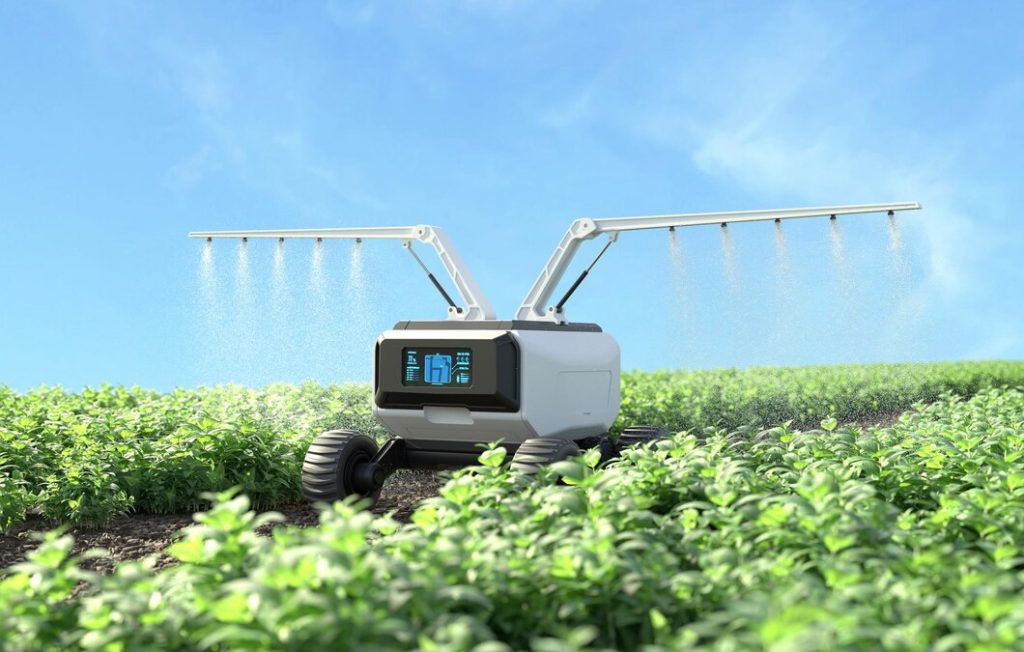
Optimizing crop management, predicting weather patterns, and automating tasks are transforming agriculture. AI-powered systems analyze data to enhance yields and reduce resource use, making farming more efficient and sustainable. This not only benefits farmers but also contributes to a more stable and secure food supply.
As AI continues to evolve, its potential to impact our lives grows. Emerging technologies promise further advancements in various fields, from healthcare to transportation. It’s essential to stay informed and engaged with AI developments to fully harness its benefits while addressing challenges such as data privacy and ethical considerations.
Artificial Intelligence has become an integral part of our daily lives, enhancing convenience, productivity, and enjoyment in countless ways. From smart home devices and efficient travel apps to advanced chatbots and creative tools, AI offers practical benefits that improve our daily routines. By understanding and utilizing these technologies, we can embrace a more connected and efficient lifestyle, making the most of what AI has to offer. As we continue to integrate AI into more aspects of our lives, its influence will only grow, paving the way for a future where technology seamlessly supports and enriches our everyday experiences.
Author: Thihansa Akmeemana
Reviewed by: Charith Lakshan, Mihara Inuri, Kavithi Kulatunga, Nuwin Tharana, Sammani Vishara