
The Shammi Silva Factor: Power, Controversy, and the Grip on Sri Lanka Cricket
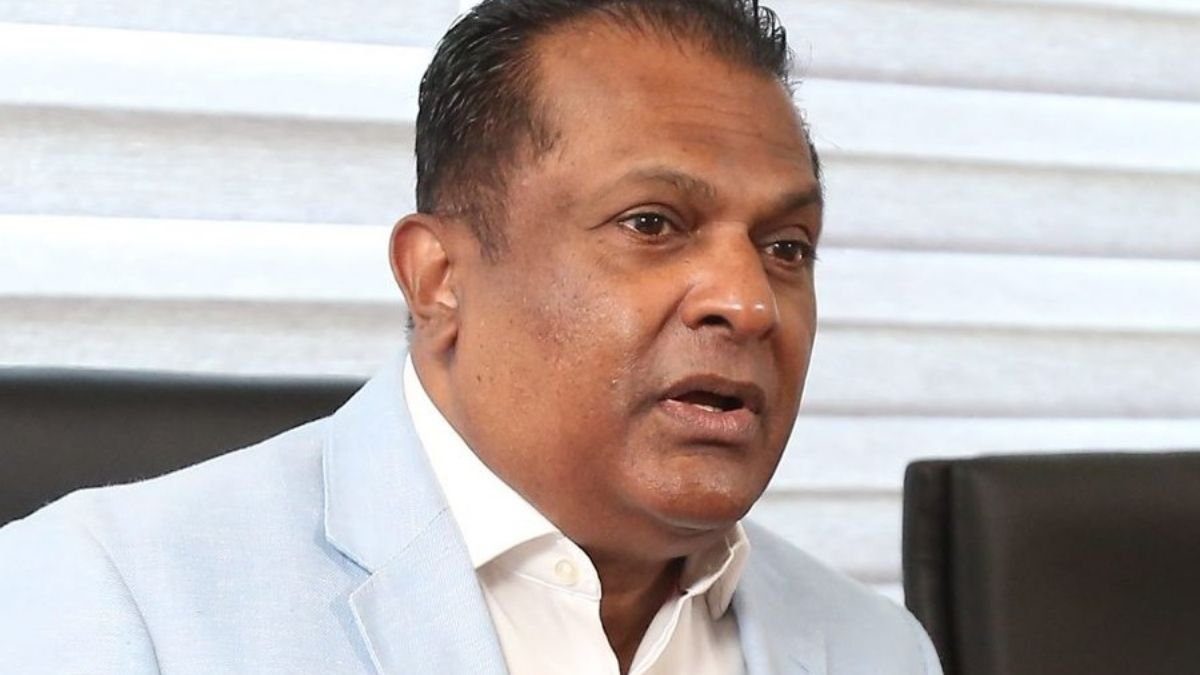
Shammi Silva, a figure as polarizing as he is influential, is set to be re-elected as the President of Sri Lanka Cricket (SLC) for an unprecedented third successive two-year term. With no real opposition except “friendly fire” from within his own camp, Silva’s re-election at the upcoming Annual General Meeting (AGM) on March 31 appears to be a mere formality.

This dominance, however, is emblematic of the deep entanglement of power, politics, and prestige within Sri Lanka’s cricketing administration. Silva’s tenure, marked by clashes with ministers, court battles, and international repercussions, has left an indelible impact on Sri Lankan cricket.
A Controversial Reign
Silva first took charge of SLC amidst the highly politicized atmosphere that has gripped the organization since Sri Lanka’s World Cup triumph in 1996. Cricket’s governing body became a lucrative and prestigious entity for businessmen, drawing intense competition and frequent power struggles.
The most glaring example of the drama unfolded in 2023 when then-Sports Minister Roshan Ranasinghe appointed an interim committee to replace Silva’s administration. The fallout was swift: the International Cricket Council (ICC) suspended Sri Lanka from international cricket for government interference. The suspension resulted in the relocation of the Under-19 Men’s World Cup, initially scheduled for January 2024 in Sri Lanka, to South Africa.
Silva, with his relentless determination, fought back. The courts reinstated his administration, and Ranasinghe was eventually sacked. This episode not only cemented Silva’s grip on SLC but also highlighted the deep fractures within the country’s cricketing governance.
The Asian Cricket Council and Beyond
In December 2024, Silva succeeded India’s Jay Shah as the President of the Asian Cricket Council (ACC), a role that significantly boosted his stature in international cricket circles. His rise to this prominent position was seen as a diplomatic win for Sri Lanka, but it also underscored Silva’s ability to navigate complex political waters and emerge on top.
SLC Elections: Prestige and Acrimony
Since 1996, SLC elections have been a battleground for rival factions vying for control of the cash-rich body. Even in the past, the contests have been anything but smooth. A notorious example came in 1998 when a brawl broke out during an AGM after the involvement of President Chandrika Kumaratunga’s security personnel. Silva’s tenure, however, has brought a different kind of drama—one that intertwines governance with the larger political landscape of Sri Lanka.
The Shammi Silva Legacy
As Silva prepares to take the helm for another term, his legacy is already cemented as one of the most controversial and influential leaders in SLC’s history. His ability to withstand political challenges, leverage legal avenues, and maintain his grip on Sri Lanka’s cricket administration demonstrates his tenacity. Yet, the controversies, allegations of financial mismanagement, and the broader politicization of cricket under his watch remain a blot on his record.
For now, Shammi Silva continues to steer the ship of Sri Lankan cricket, navigating turbulent waters with a mix of resilience and controversy. Whether his leadership elevates Sri Lankan cricket or leaves it further mired in politics remains to be seen.