
The United States has announced a further $2 million in humanitarian assistance to support communities affected by Cyclone Ditwah, taking total US assistance for the response to $4 million.
The additional funding builds on $2 million announced in December 2025 within 72 hours of the cyclone’s landfall and reflects Washington’s continued engagement in Sri Lanka’s disaster response and early recovery efforts.
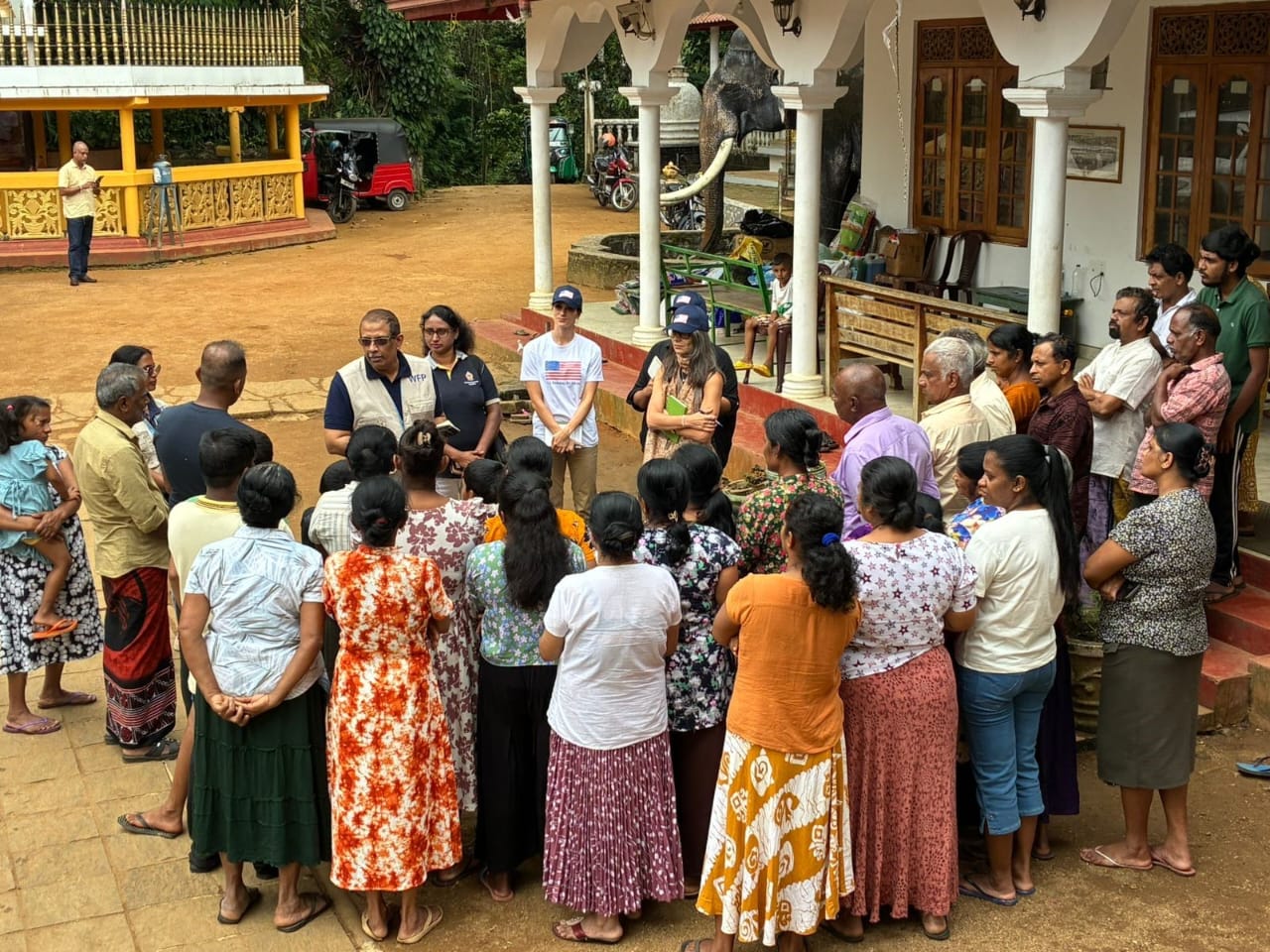
US Ambassador to Sri Lanka Julie Chung said the United States had responded swiftly to support Sri Lankans in need, noting that assistance ranged from early airlift and logistics expertise provided by the Department of Defense to financial support for humanitarian relief. She said the US remained committed to helping Sri Lanka recover from the cyclone and supporting stability and livelihoods in affected areas.
The assistance is being directed to some of the worst-hit districts, including Ampara, Badulla, Gampaha, Kegalle, Puttalam and Ratnapura, as well as estate communities in the Central Province.
Funding will support emergency food assistance and essential household items, including kitchen sets and hygiene kits, alongside flood-mitigation materials such as polysacks for sandbagging. Programmes will also focus on improving access to clean drinking water, providing essential nutrition support for mothers and children, and ensuring shelters offer safe and child-friendly spaces.
In rural and estate areas affected by flooding, the assistance will help communities begin early recovery by restoring basic infrastructure, improving drainage and small-scale irrigation systems, and supporting livelihoods to enable families to resume food production and economic activity.
The US Embassy said implementation is being carried out through trusted partners, including the World Food Programme and World Vision, to ensure assistance reaches affected communities efficiently and with accountability.
As post-cyclone needs continue to evolve, the United States said it remains in close coordination with Sri Lankan authorities to identify and support emerging priorities in the recovery process.