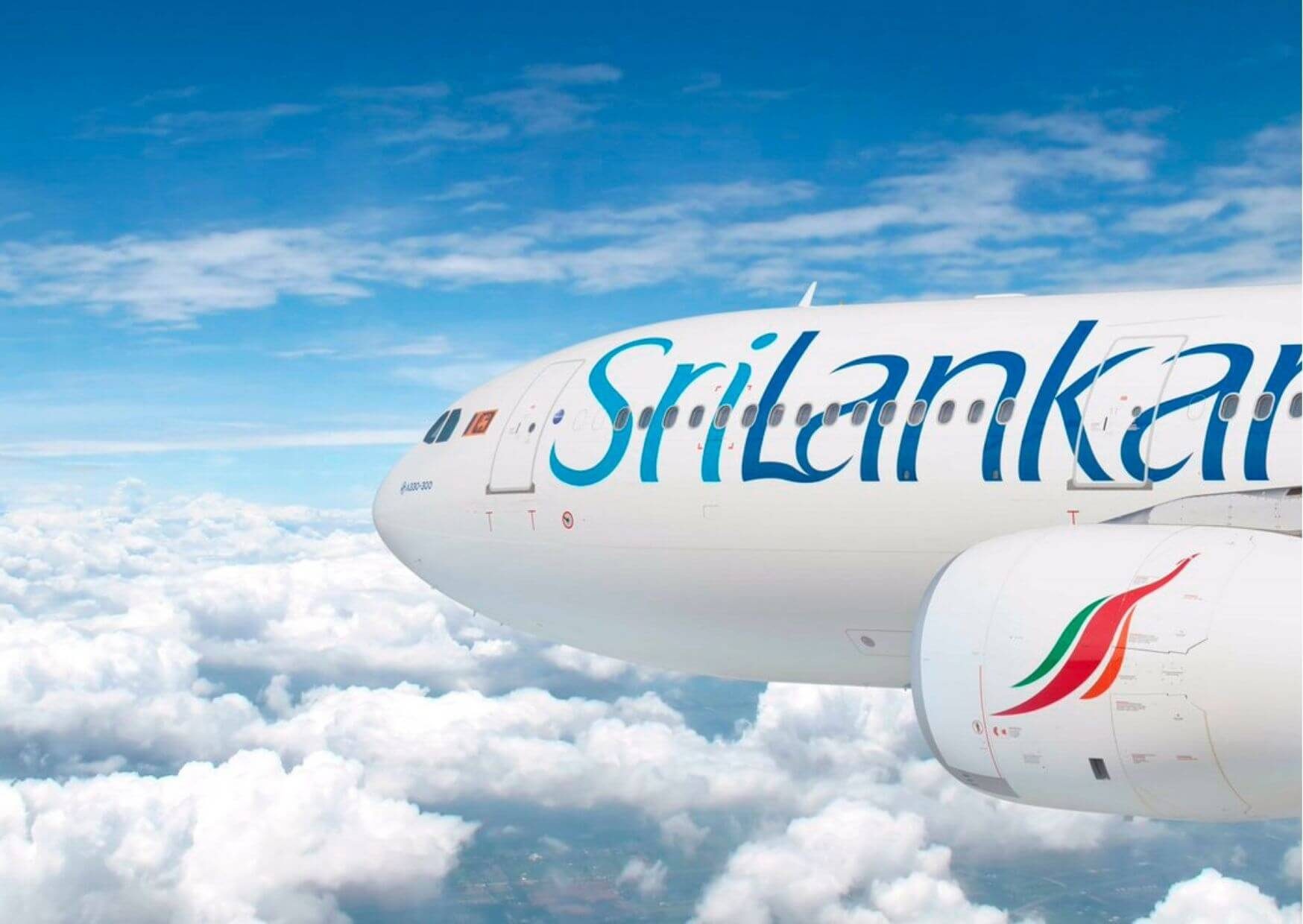

Is Maintaining SriLankan Airlines as a State-Owned Entity the Right Choice?
The decision to retain SriLankan Airlines as a state-owned enterprise, despite years of financial turmoil, has sparked debate across Sri Lanka. Minister of Transport, Highways, Ports, and Civil Aviation Bimal Rathnayake recently defended this stance, blaming previous governments for the airline’s woes while emphasizing efforts to ensure its sustained operation. However, whether this is the correct course of action remains a contentious issue.
A History of Mismanagement
SriLankan Airlines’ current predicament stems from decades of poor management, political interference, and inefficiency. Unprofitable routes, politically motivated decisions, and a lack of strategic focus have plagued the airline. Former governments, including one led by Ranil Wickremesinghe, have been criticized for decisions that exacerbated losses. For instance, Minister Rathnayake highlighted how three grounded aircraft, kept idle for three years, cost the state $9 million per month in leasing fees without generating revenue. Such decisions underscore how mismanagement and lack of foresight have deepened the airline’s financial troubles.
Challenges of Retaining State Ownership
Maintaining SriLankan Airlines as a state-owned company comes with several risks:
Accumulated Debt: The airline’s debt exceeds $2 billion, with high interest payments eating into potential profits. This debt is a direct legacy of mismanagement and questionable decisions, such as the controversial cancellation of Airbus A350 orders, which led to costly penalties.
Operational Inefficiency: Overstaffing, poor fuel management, and underutilized aircraft leases contribute to mounting operational costs. The airline has historically employed far more staff per aircraft than industry benchmarks, making it difficult to achieve profitability.
Economic Pressures: The COVID-19 pandemic, the 2019 Easter bombings, and Sri Lanka’s recent economic crisis have further strained operations. Rising fuel costs and currency depreciation have compounded these challenges, making the airline less competitive against regional players like Emirates and Singapore Airlines.
The Case for Privatization
Proponents of privatization argue that introducing private-sector efficiency and reducing political interference are essential to turning SriLankan Airlines around. A strategic partnership with a global carrier could bring much-needed expertise, financial resources, and modern management practices. For instance, Emirates’ previous management of the airline between 1998 and 2008 demonstrated how private-sector involvement could lead to operational improvements and profitability.
Minister Rathnayake’s Defense
Minister Rathnayake’s decision to keep SriLankan Airlines state-owned reflects an attempt to regain public trust in the airline as a national symbol. His emphasis on holding previous governments accountable for past failures resonates with many citizens. However, this approach risks perpetuating systemic inefficiencies unless drastic reforms are implemented.
The Way Forward
To justify state ownership, SriLankan Airlines must undertake bold reforms:
Route Optimization: Focus on profitable routes while eliminating unviable ones.
Operational Efficiency: Reduce overstaffing, renegotiate leases, and adopt modern technologies.
Cargo Expansion: Capitalize on global demand for air freight to generate additional revenue.
Transparency and Accountability: Combat corruption and ensure decisions are driven by business needs rather than political considerations.
Ultimately, the success of retaining SriLankan Airlines as a state-owned entity depends on addressing the systemic issues that have plagued the airline for decades. Without comprehensive reforms, the decision risks becoming a continuation of past mistakes rather than a solution to them-