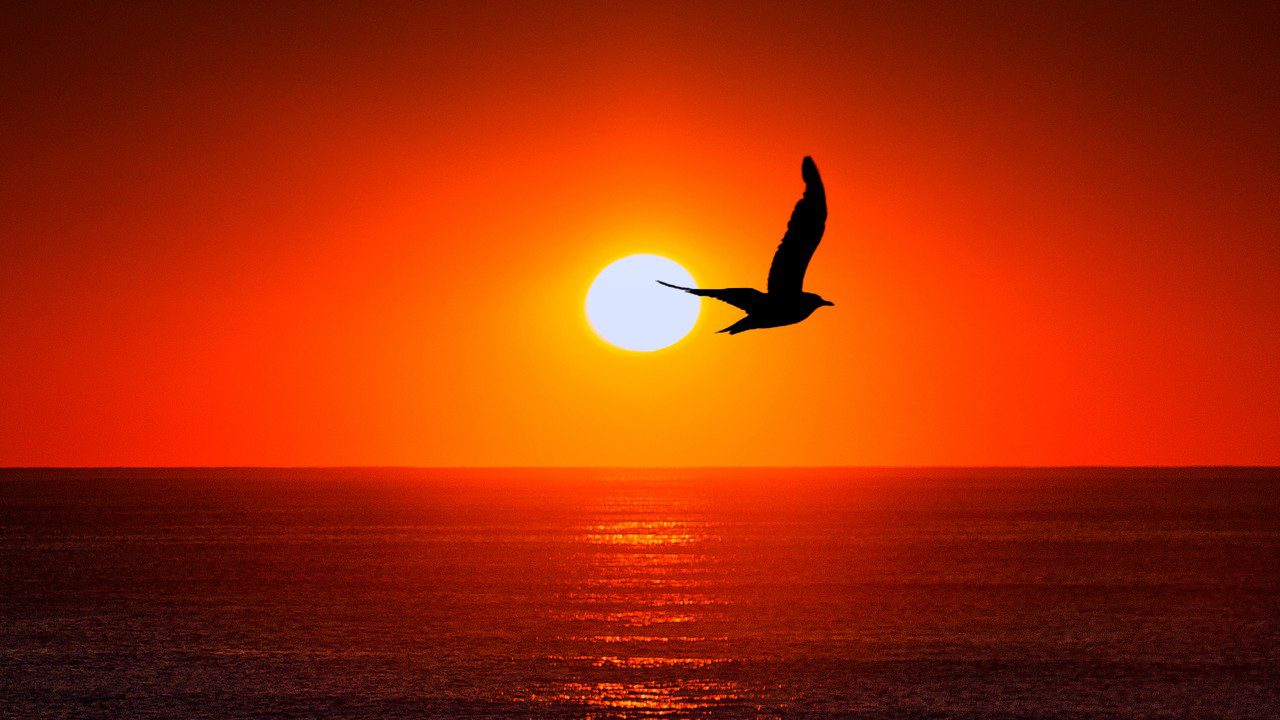

Sri Lanka, an oceanic island surrounded by the vast Indian Ocean, is a haven for birdwatchers, particularly along its west coast. While many bird enthusiasts flock to see the island’s endemic species, there is a remarkable opportunity to observe seabirds from January to February, a time when the west coast’s coastal waters teem with exciting birdlife.
A Diverse Seabird Haven
The west coast of Sri Lanka is home to nearly fifty seabird species. These include winter visitors, passage migrants, summer breeders, and some rare vagrants. January and February fall when several seabirds are migrating or wintering along this coastline.
Winter Visitors and Breeding Birds
In January and February, seabirds such as the Pallas’s Gull, Heuglin’s Gull, and Brown-headed Gull make appearances along the coast. They are often joined by terns like the Gull-billed Tern, Whiskered Tern, and Common Tern, which are abundant in numbers during winter. Other species such as the Sandwich Tern and Black Tern may also be spotted, especially in the lagoons and small islets off the coast.
The Caspian Tern, Little Tern, and Large Crested Tern remain throughout the year, nesting on small coastal islands and offering the birdwatcher a chance to observe them up close during their breeding season.
Rare Vagrants and Special Sightings
One of the most thrilling aspects of seawatching on Sri Lanka’s west coast is the possibility of spotting rare seabird vagrants. These include species like the Cape Petrel, White-headed Petrel, and Jouanin’s Petrel. Red-footed Boobies and Masked Boobies are also rare yet intriguing sightings that captivate birdwatchers fortunate enough to see them. These vagrants, often seen in the waters of the Indian Ocean, make Sri Lanka’s coastline an exciting destination for those seeking uncommon species.
Best Locations for Seabird Watching
The west coast provides several fantastic spots for observing seabirds. Prominent locations include:
Talawila,Chilaw,Negombo,Colombo and surrounding coastal suburbs
Beruwela,Bentota.Ambalangoda.Hikkaduwa.Galle
With a generally low elevation along the coast, these areas are ideal for land-based seabird observation, as the birds usually fly low over the waters, making them easily visible. Birdwatchers should bring a telescope to better spot seabirds from these coastal locations.
Adventure on the Water
For those looking for a more immersive experience, seabird watching can be done from boats at sea. While there are no specific tours dedicated exclusively to seabird enthusiasts, local fishing boats, such as outrigger canoes (Oru) or larger mechanized fishing vessels, can be hired. These offer a more direct way to observe seabirds and other marine wildlife, including dolphins, manta rays, and even whales.
For more comfort, during the calm north-east monsoon season (November to April), birdwatchers may opt to rent dive boats or sport-fishing charter boats, available at major tourist destinations like Bentota and Hikkaduwa. However, these services can be on the pricier side, and it’s advisable to come prepared for rough conditions when venturing out during the south-west monsoon (May to October).
Seabird Watching Tips
Prepare for the elements: The south-west monsoon season brings strong winds, rain, and rough seas. Dress warmly, carry waterproof gear, and bring snacks, drinks, and sun protection.
Use a telescope: Since many seabirds fly far from shore, a good-quality telescope will help spot the action, especially for species like shearwaters that soar low.
Look for rare species: Always be on the lookout for vagrants, as Sri Lanka’s waters are a rare crossroads for seabirds migrating through the Indian Ocean.
Safety first: If venturing out to sea, ensure your boat has safety equipment. Wear a lifejacket, especially if you’re not a strong swimmer.
A Birdwatcher’s Paradise
Whether you’re an experienced birdwatcher or a curious nature lover, the west coast of Sri Lanka offers a thrilling seabird-watching experience during January and February. From spotting wintering visitors to encountering rare seabirds, each day spent along the coast promises new surprises. Prepare for an adventure that could bring you face-to-face with some of the most stunning seabird species in the world.