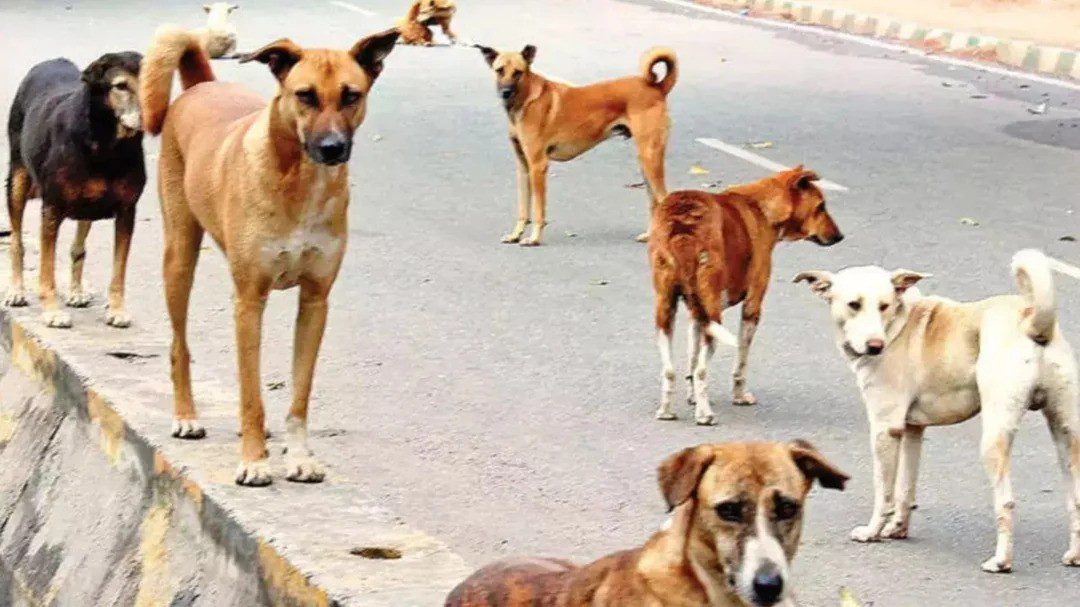

India is grappling with a severe rabies crisis, with the country accounting for 36% of global rabies deaths, according to the World Health Organization (WHO). Despite the alarming statistics, a recent claim by animal activist Ambika Shukla, describing rabies as a “mild virus” that can be “washed away with soap,” has ignited a
firestorm of debate, drawing sharp criticism from public health experts and policymakers.
Rabies, a viral disease primarily transmitted through dog bites, is nearly 100% fatal once clinical symptoms appear, such as fever, confusion, hydrophobia, and paralysis. The WHO reports that India sees approximately 20,000 human rabies deaths annually, with children aged 5 to 14 being the most frequent victims. In 2024 alone, the country recorded 3.7 million dog bite cases, averaging over 10,000 incidents daily, with Delhi reporting nearly 2,000 bites per day.
The Supreme Court of India, responding to the escalating crisis, recently ordered the removal of stray dogs from Delhi-NCR streets, mandating their relocation to shelters for sterilization and immunization. The court, describing the situation as “extremely grim,” emphasized the need to protect infants and the elderly, who are disproportionately affected by rabies. The bench, led by Justices J.B. Pardiwala and R. Mahadevan, dismissed interventions by animal welfare activists, questioning, “Will they be able to bring back children who have fallen prey to rabies?”
Shukla’s controversial statement, made in a recent public address, has been met with widespread backlash. Medical experts, including Dr. Rajesh Kumar from Paras Health, Gurugram, stress that rabies is a deadly virus that invades the central nervous system, with no cure once symptoms manifest. “The claim that rabies is mild or can be washed away with soap is dangerously misleading,” Dr. Kumar stated. “Prompt wound cleaning and post-exposure prophylaxis, including vaccines and immunoglobulin, are critical to prevent infection, but they must be administered before symptoms appear.”
Animal rights groups, including PETA India and Red Paws Rescue, have criticized the Supreme Court’s order as “unscientific” and “inhumane,” arguing that mass relocation of an estimated 800,000 to 1 million stray dogs in Delhi is logistically unfeasible and could lead to poor shelter conditions and increased disease spread. Former minister and activist Maneka Gandhi called the ruling “a judgment given in anger,” highlighting the lack of infrastructure to house thousands of dogs and the potential for social unrest as feeders resist removals.
However, a study by the University of Edinburgh found that 82% of human-street dog encounters in India are peaceful, and rabies cases have dropped by nearly 75% over the past two decades due to vaccination and sterilization programs. Experts like Professor Krithika Srinivasan advocate for strengthening these programs rather than mass relocation, which could exacerbate zoonotic disease risks.
Public sentiment on platforms like X reflects the polarized debate. Posts highlight the disproportionate impact of rabies on marginalized communities and call for stricter stray dog control, while others defend community dogs as integral to neighborhoods. One user remarked, “5700 recorded rabies deaths is outrageous, and it hits the poorest the hardest,” underscoring the public health crisis.
The Indian government has pledged to eliminate dog-mediated rabies by 2030 through a One Health approach, combining human and animal health strategies. However, with only 79,959 dogs sterilized in Delhi in 2023-24 and limited shelter capacity, experts warn that the gap between policy goals and reality remains wide.
As protests erupt in Delhi and animal welfare groups explore legal avenues to challenge the court’s order, the rabies crisis continues to expose deep tensions between public safety and animal rights. With thousands of lives at stake, India faces a critical juncture in addressing this preventable yet deadly disease.