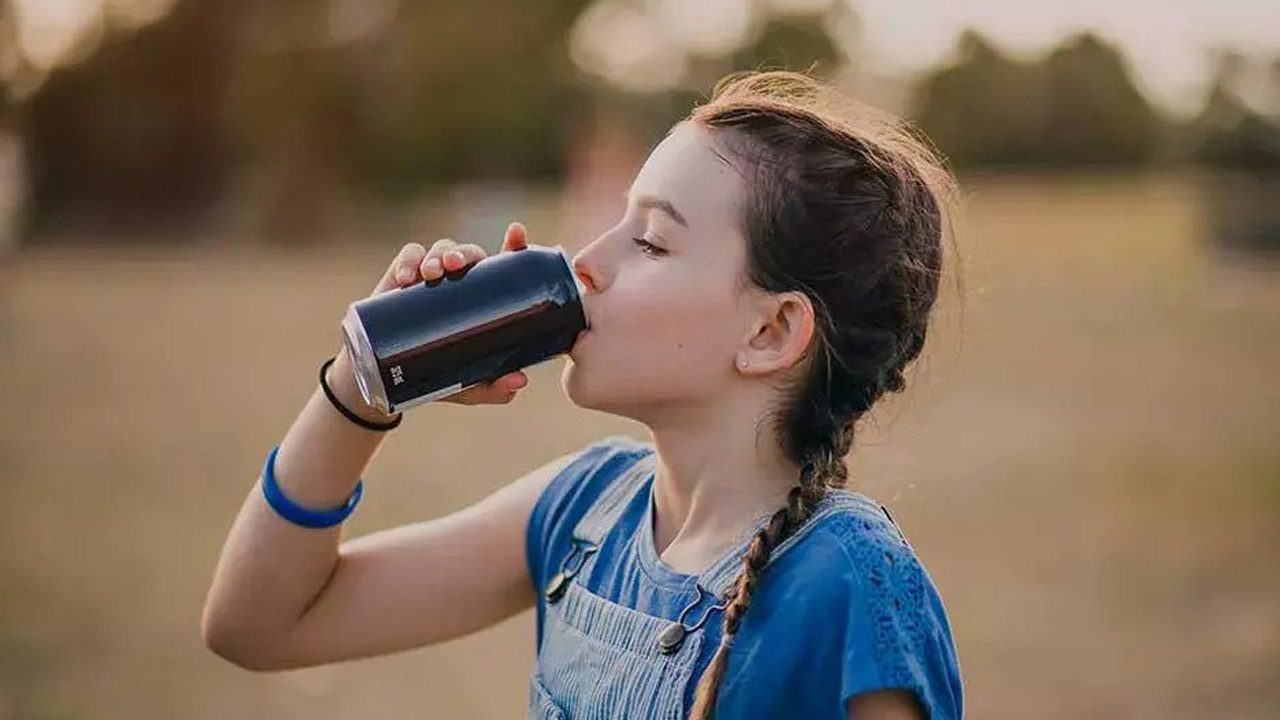

Energy drinks have been so heavily advertised worldwide that even those who do not consume them are well aware of their presence. Unsurprisingly, Sri Lankan youth too have been drawn to this trend. While countless studies from around the world have exposed the harmful truth about energy drinks, little information has been available about their consumption among Sri Lankan youth—until now.
Although energy drinks are increasingly popular among the younger generation in Sri Lanka, their long-term health effects on local consumers have not been properly assessed. That gap has now been partially filled by research based on a survey of undergraduates at a state university. The findings, which raise serious concerns, were published in the Sri Lankan Journal of Nursing (Vol. 4, Issue 1, June). The study was conducted between March 2022 and January 2023 with the participation of residential students.
The survey, carried out by a team of researchers including D. K., M. De Silva, D. M., B. M. Dissanayake, P. K. L. S. Thilakaratne, G. L. S. Kumara, U. J. L. Shameen, W. D. D. D. S. Dharmasiri, A. G. M. Rosni, N. F. Minna, D. L. N. L. Ubayawardena, and D. A. S. Agwitigala, examined factors such as age, gender, living arrangements, year of study, part-time employment, and sexual activity to determine whether they influence energy drink addiction.
The findings are striking. Among respondents, 78.8% said they consumed energy drinks because they enjoyed the taste, 20.9% drank them when tired, 10.2% used them to support studying, and 10.7% tried them simply to feel good. Peer pressure influenced 40.2% of consumers, while nearly 26% admitted being influenced by advertising. Some even reported being encouraged by shopkeepers to buy them.
Overall, 59.8% of energy drink consumers were male, while 40.2% were female.
International research shows that children raised in single-parent households or without siblings are more likely to adopt risky and unhealthy habits, including the consumption of energy drinks, alcohol, tobacco, and drugs. These children often face higher levels of stress and receive less parental attention, leaving them vulnerable to peer influence. Similarly, first-year university students and those engaged in part-time work were found to be particularly susceptible, largely due to their lack of awareness.
The study also noted that sexual activity was linked to energy drink use. In 2019, 12.4% of young people aged 15–24 in Sri Lanka reported engaging in risky sexual behaviour, and many of them also consumed alcohol, tobacco, drugs, and energy drinks—substances often underestimated by society.
Interestingly, first-year students aged 23–25 were found to consume more energy drinks than their senior peers, again reflecting limited awareness of their harmful effects.
Although marketed as non-alcoholic beverages, energy drinks contain very high levels of caffeine, making them potentially as harmful as alcohol. Their advertising campaigns are carefully designed to target adolescents and young adults, who are especially vulnerable to flashy marketing, peer pressure, and misinformation.
A Canadian study found that 73.6% of people aged 12–24 consumed energy drinks, with men more likely to become addicted. The highest consumption was among those aged 20–24, with 10.1% drinking four or more cans daily and 48% consuming at least one can a day.
Globally, the industry is booming. In the United States alone, there are more than 500 energy drink brands, generating $25 billion annually, with projections of $50 billion by 2033.
But the dangers are clear. According to Harvard University, energy drinks are a major cause of hospitalization and even death among youth. The US Poison Information Center reported that between 2022 and 2023, 24.2% of people under 20 experienced health problems related to energy drink consumption, mostly due to excessive caffeine and sugar intake.
Experts warn that mixing energy drinks with alcohol dramatically increases the risk of heart attack. People with heart disease or high blood pressure are particularly at risk. The American Academy of Pediatrics advises that children and adolescents aged 12–18 should not consume more than 100 milligrams of caffeine daily. Exceeding this amount can lead to sleep disruption, irregular heartbeat, diarrhea, seizures, high blood pressure, dehydration, and anxiety.
Sports drinks are often confused with energy drinks, but they are not the same. While sports drinks do not contain caffeine, they are loaded with sugar, salt, and potassium, making them an unhealthy choice as well.
The problem is spreading across Asia, the largest energy drink market in the world. A study in Nepal revealed that 58.3% of health science undergraduates consumed energy drinks regularly, with 75% of them being male students—far higher than among female students.
Globally, energy drink consumption among youth is rising rapidly. Experts argue that tackling this addiction must be given the same urgency as fighting alcoholism, smoking, and drug abuse. Reducing or eliminating energy drink consumption should be promoted as part of a healthy lifestyle alongside balanced nutrition, exercise, adequate sleep, and limiting foods high in oil, salt, and sugar.
Energy drinks disrupt heart rhythm, increase heart rate, and can trigger nervous system, respiratory, and gastrointestinal problems. These effects are especially dangerous for adolescents and young adults whose bodies and brains are still developing.
Yet awareness remains low. A survey in the United States found that 19% of teenagers aged 12–17 did not know energy drinks were harmful. Many young people are deceived by marketing campaigns that glorify these products while hiding their health risks.
Worryingly, energy drinks often act as a gateway to more dangerous substances. Research shows that youth addicted to alcohol, tobacco, or drugs often start with energy drinks. In Nepal, many young people now consume them alongside these substances, creating an alarming trend.
Although Sri Lanka has not yet faced the full scale of this crisis, the warning signs are already evident. Authorities must act now—while the problem is still manageable—rather than wait until it grows into a full-blown public health emergency.