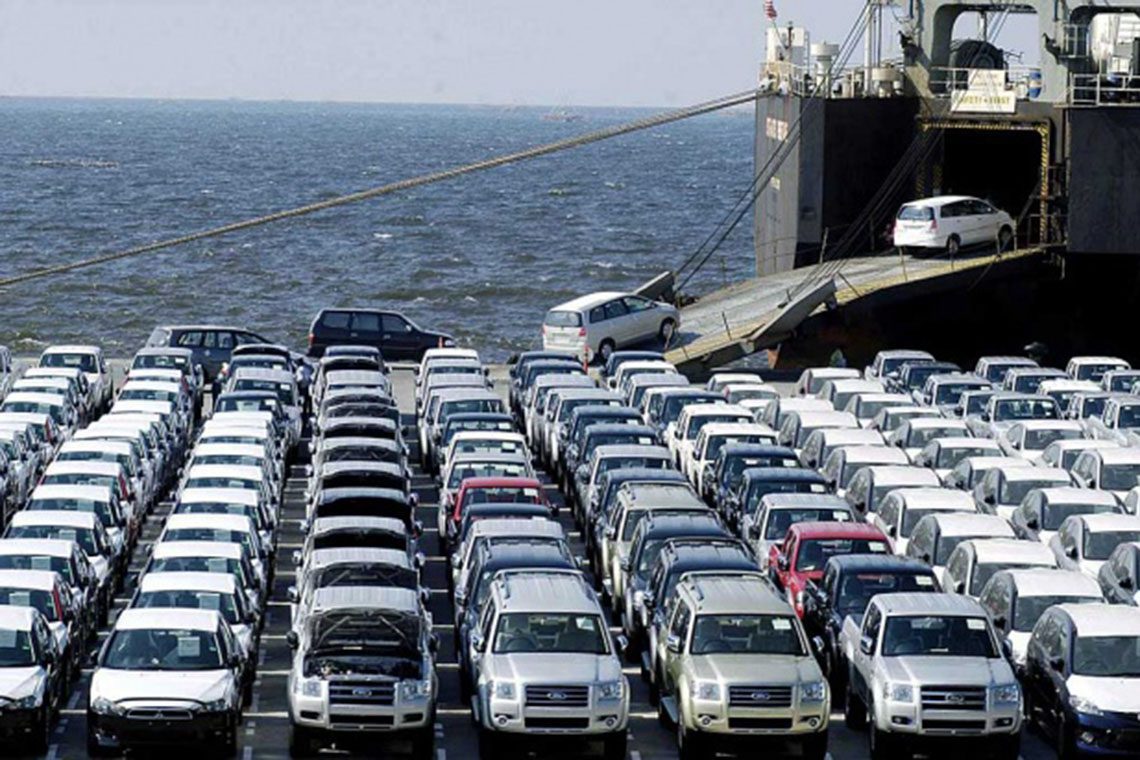

The government is cautiously lifting restrictions on vehicle imports for private use starting next month, closely monitoring the impact on foreign exchange outflows.
The goal of removing the import ban is to stimulate the economy and boost tax revenue. However, there is uncertainty about how this change will affect foreign exchange reserves and the value of the rupee, a senior Treasury official told the Sunday Times. The official noted that the actual impact on the rupee’s value against the US dollar would only become clear after the restrictions are lifted.
A proposal to end the ban will be submitted to the Cabinet by the end of this month, followed by its publication in the government gazette. The changes will take effect on February 1.
This move is part of the conditions set by the International Monetary Fund (IMF) and will be included in the IMF’s next review of Sri Lanka’s Extended Fund Facility. The Treasury has assured the IMF that if foreign exchange outflows or rupee depreciation become excessive, certain restrictions may be reinstated.
High Tax
Vehicles up to five years old may be imported under some categories, while others will have a limit of three years. However, final decisions on these details are yet to be made. Taxes as high as 300% will apply to these imports, with no planned reductions. The government expects to earn up to USD 1 billion annually from vehicle import taxes.
Additionally, about 22,000 vehicle permits issued before the economic crisis may be considered for import in a second phase of lifting restrictions. This will depend on achieving a stable exchange rate, the official added.