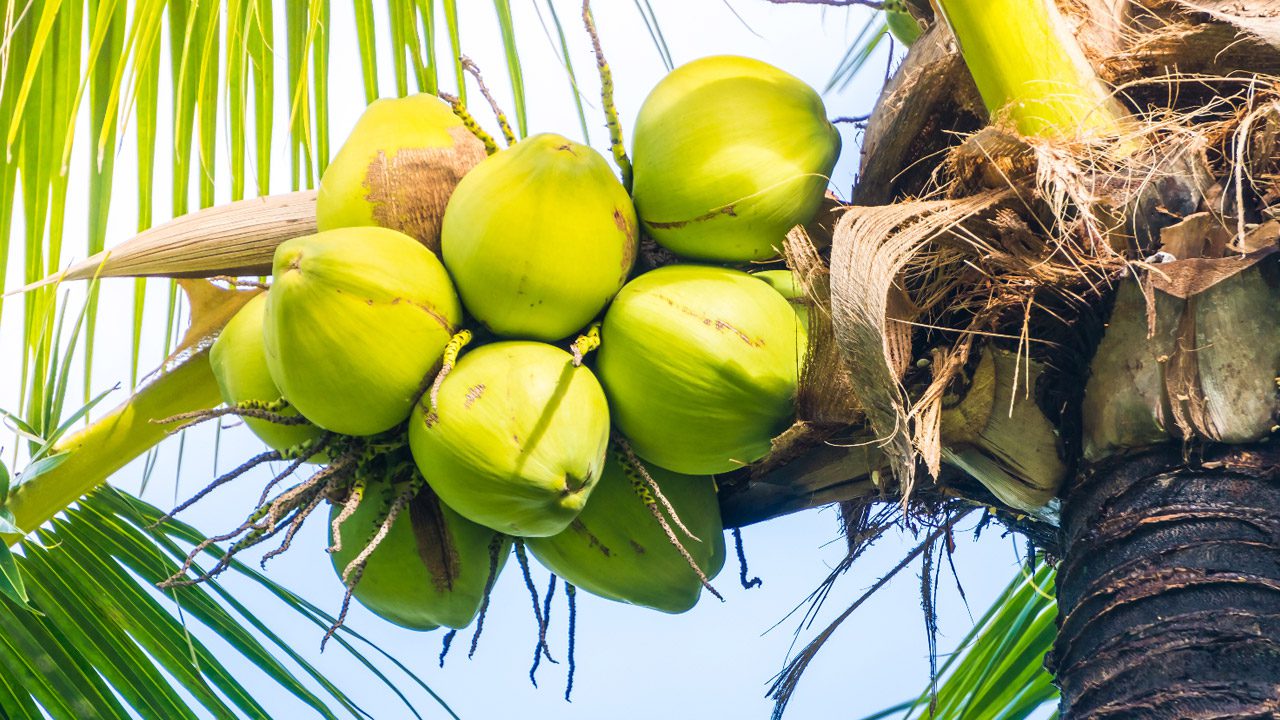

Sri Lanka’s coconut industry, a key contributor to its economy and exports, faces an escalating crisis. Despite a significant rise in export earnings from coconut-based products, the country is grappling with a severe domestic shortage. From January to November 2023, Sri Lankan exporters shipped coconut products worth an impressive $782.32 million (Rs 228.84 billion). However, this success comes at the cost of escalating domestic prices and dwindling production.
The Crisis at Hand
Domestic coconut production has seen a sharp decline, with yields dropping by 4% from January to September compared to the same period last year. Monthly production fell from a peak of 280 million nuts in March to 254 million by December. This marks a 6.4% year-on-year drop. Similarly, coconut oil production plummeted by over 33%, intensifying the shortage.
Retail prices have surged, with coconuts now selling for Rs 170 or more, and a 500ml bottle of “white” coconut oil costing up to Rs 850. These price hikes reflect the unresolved and cyclical shortages that have plagued the industry for years.
The Export Dilemma
Exports of coconut products, including desiccated coconut, coconut milk powder, and coconut oil, have seen high double-digit growth rates. Value-added products like coco peat and activated carbon have emerged as significant contributors, with earnings of $13.56 million in November alone. However, this export boom exacerbates the domestic crisis, leaving Sri Lankans to bear the brunt of rising costs.
Tackling the Shortage
Addressing the coconut crisis requires both immediate and long-term interventions.
- Boosting Production: Utilizing fallow lands for coconut cultivation, introducing hybrid varieties, and investing in irrigation infrastructure can help increase yields.
- Regulating Exports: Implementing export quotas during shortages and focusing on high-value products can balance domestic needs with export goals.
- Stabilizing Prices: Creating buffer stocks and setting price controls can protect consumers from volatile market conditions.
- Improving Supply Chains: Efficient distribution systems and farmer cooperatives can reduce wastage and ensure a steady supply of coconuts in local markets.
A Path Forward
While the crisis reflects years of neglect and mismanagement, it also presents an opportunity to reform Sri Lanka’s coconut industry. By balancing export ambitions with domestic needs and investing in sustainable practices, Sri Lanka can overcome its coconut conundrum.
The challenges are significant, but with coordinated efforts, the country can safeguard its position as a leading global supplier of coconut products while ensuring affordability and availability for its people.