 A Hub at Risk
 A Hub at Risk
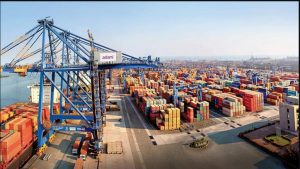
Colombo Port, long regarded as one of Asia’s premier shipping hubs, is facing a crisis that threatens its hard-earned reputation. Despite intervention by the President to address the pressing issue of customs clearance delays, the problem remains far from resolved. The port, which plays a vital role in global shipping, is grappling with operational inefficiencies and growing discontent among key stakeholders, putting its global standing at risk.
Congestion and Negative Global Perception
The port’s status as a key player in global shipping is now under scrutiny. Delays and congestion have become persistent challenges, compounded by the release of unchecked containers, which has raised serious concerns about the integrity of its operations. Instead of implementing long-term solutions, reactive measures have been the norm. This approach has sent negative signals internationally, tarnishing the port’s image and threatening its position in global efficiency indexes.
Underlying Causes of the Crisis
The congestion at Colombo Port can be attributed to a range of interconnected issues. The port’s limited space and facilities are proving inadequate to handle the growing volume of cargo, leading to bottlenecks during the unloading and storage processes. Terminal congestion and delays are further compounded by a shortage of trucks to transport containers efficiently. Compounding these challenges is the inefficiency within customs operations, which have been identified as a major contributor to the delays.
Customs Inefficiencies and Staffing Challenges
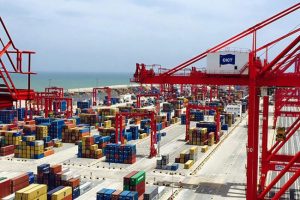
Customs processes have become a critical bottleneck in the port’s operations. Of the 2,000 to 3,000 containers requiring inspection each day, only around 400 are cleared due to insufficient staffing and outdated scanners. A severe shortage of customs officers, estimated at 700, has made round-the-clock operations impossible. Customs officials argue that outdated scanners necessitate labor-intensive physical inspections, slowing down the clearance process significantly. However, shipping agents have criticized these delays, alleging that customs officers intentionally reduce work during late-night hours, adding to the port’s woes.
Economic Consequences of Delays
The economic impact of the port’s congestion is being felt far and wide. Recently, thirty ships bypassed Colombo Port, opting for other regional hubs like Vizhinjam in Kerala, India. These decisions were driven by a lack of berthing availability and delays within Colombo’s terminals. This shift has resulted in lost revenue for the port and increased costs for businesses in the form of demurrage charges for ships and containers. Truck drivers have expressed frustration over poor facilities, including a lack of toilets and food, while they wait in long queues to transport goods.
Stakeholders’ Calls for Action
In response to the ongoing crisis, industry stakeholders have put forward a range of potential solutions. Expanding customs inspection points and integrating related state offices—such as quarantine, food control, and standards institutes—into a single location has been suggested as a way to streamline the clearance process. Others have proposed using private container yards to ease the strain on port facilities, while filling customs vacancies with retired officers has also been recommended as a short-term fix.
Internal Conflicts and Allegations
The crisis is further complicated by internal conflicts within customs. Allegations have surfaced that vested interests are influencing the clearance process, with claims that some containers are being cleared without proper inspections under the guise of reducing congestion. The customs officers’ union has defended stricter inspections as necessary to combat fraud, but shipping agents argue that these measures have unnecessarily slowed operations. This lack of trust among customs officials, unions, and other stakeholders has only deepened the crisis, making it harder to implement meaningful solutions.
The Current Situation
As of the latest reports, 2,724 containers remain uncleared at the port. While the President’s intervention was intended to provide relief, significant challenges persist. Colombo Port, a cornerstone of Sri Lanka’s economy, is now caught in a delicate balance between addressing its internal inefficiencies and restoring its reputation as a reliable and efficient hub in the global shipping network