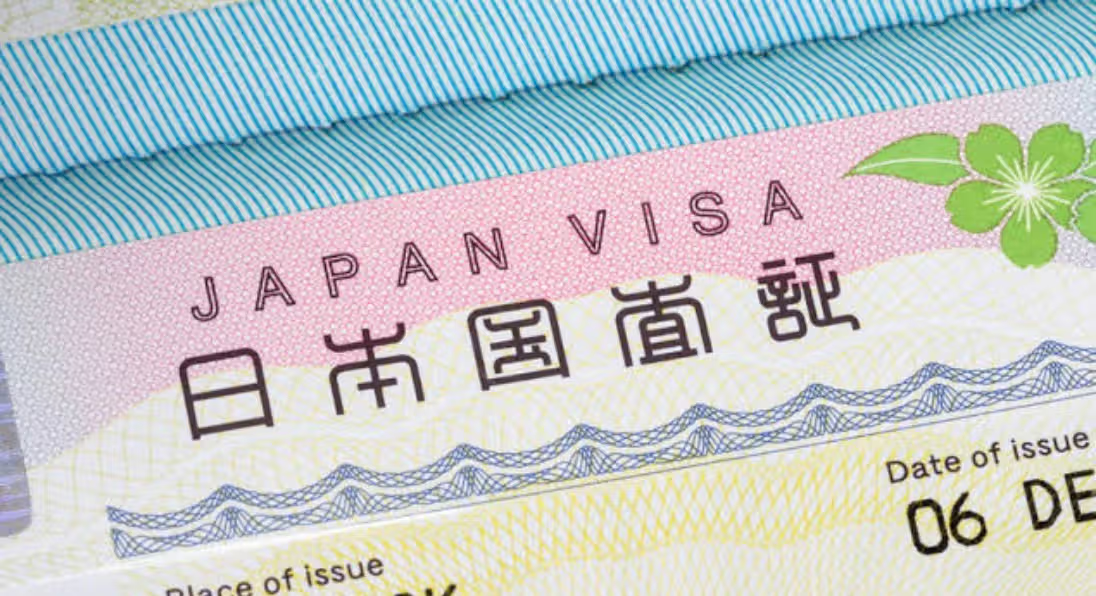

In a move that has sent ripples through the global travel industry, Japan has rolled out its most significant overhaul of entry policies in decades, with visa fees for many foreigners quintupling starting July 1. The changes, part of a broader strategy to manage record-breaking tourist inflows while protecting local resources and infrastructure, mark a deliberate shift from the post-pandemic tourism boom to a more selective and sustainable approach.
Under the new rules, single-entry tourist visas will jump from ¥3,000 (about $18–20) to ¥15,000 (roughly $93), while multiple-entry visas will rise from ¥6,000 to ¥30,000. The increases, the first since 1978, apply primarily to visitors from over 100 countries including major source markets like China, India, and Vietnam but spare most visa-exempt Western travelers who can enter for short stays without prior approval.
Foreign Minister Toshimitsu Motegi defended the hikes, citing decades of inflation, fluctuating exchange rates, and the administrative costs of processing surging applications. “Japan remains welcoming, but we must ensure that our hospitality is sustainable,” he stated in a recent briefing. Officials estimate the fees will generate additional revenue to fund improved immigration systems, cultural preservation projects, and overcrowding mitigation in hotspots like Kyoto and Mount Fuji.
Beyond Fees: A Comprehensive Border Reset
The visa fee surge is just one pillar of Japan’s evolving border policies. As visitor numbers topped 40 million in recent years, authorities have introduced complementary measures:
Stricter Oversight on Long-Term Stays: Fees for residency status changes, extensions, and permanent residency applications are also climbing sharply some by 500–900% reflecting concerns over the record four million foreign residents in the country.
Overtourism Controls : Popular sites are implementing dual pricing (higher for foreigners), new lodging taxes, and daily visitor caps. Tax-free shopping is shifting to a refund-at-airport model, and discussions continue around a future electronic travel authorization system for visa-exempt travelers.
Sustainability Focus: Revenue from higher fees will support environmental efforts, such as trail maintenance on Mount Fuji and infrastructure upgrades at airports strained by post-COVID recovery.
Travel experts predict mixed impacts. Budget-conscious travelers from affected countries may opt for shorter trips or group tours to offset costs, while luxury and repeat visitors might absorb the increase. Industry voices worry about potential dips in arrivals from price-sensitive markets, though government projections suggest no “immediate” major fallout due to Japan’s enduring appeal.
For the latest details and application processes, should consult the Ministry of Foreign Affairs of Japan or their local embassy. For Sri Lankans click below links
https://www.lk.emb-japan.go.jp/files/101048851.pdf