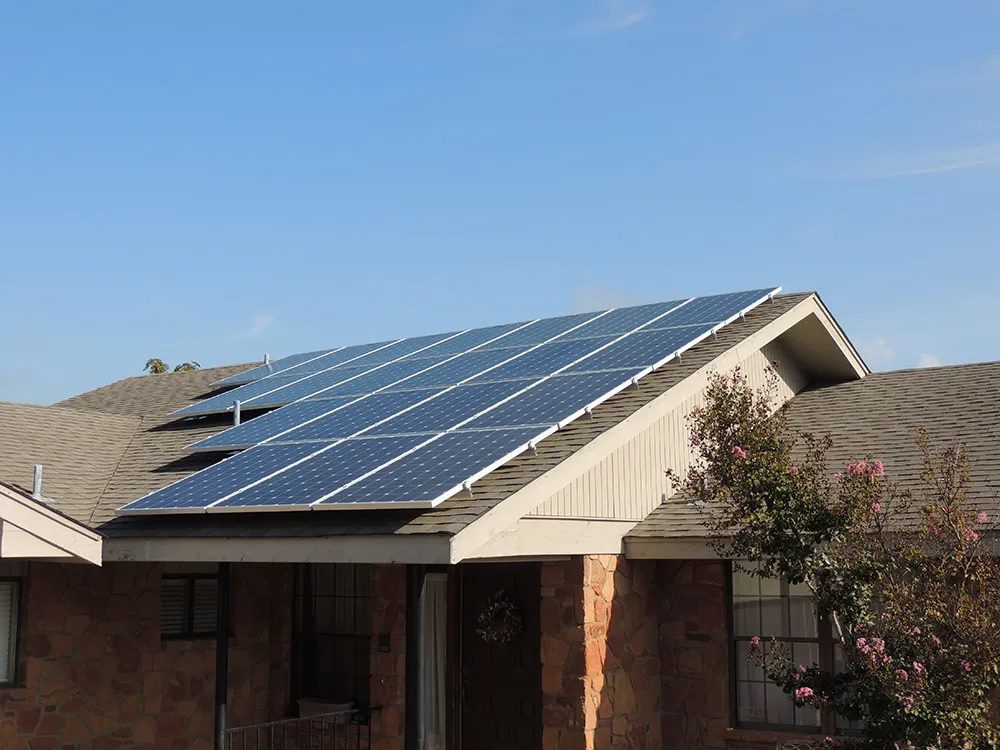

Sri Lanka’s recent nationwide blackout has sparked debate about the power grid’s stability and the impact of rooftop solar power. While renewable energy is encouraged, experts warn the grid isn’t equipped for the variable nature of solar, potentially causing cascading failures.

The Ceylon Electricity Board Engineers’ Union (CEBEU) blames a 33kV bus bar breakdown in Panadura, but argues the root cause is instability from rooftop solar. With solar contributing 1200-1400MW, the grid, designed for one-way power flow, struggles with fluctuating solar energy, especially on low-demand days like Sundays. Lower demand coupled with high solar input weakens the grid’s ability to handle shocks, as large power plants must be scaled down.
While initial reports suggested monkeys caused the blackout, the CEBEU emphasizes solar instability as the main issue. Despite engineers’ warnings, grid upgrades have been delayed due to financial constraints and the pandemic. Japanese and Asian Development Bank-funded projects have stalled.
Experts suggest battery storage, smart grid technology, and policy changes, like incentivizing weekend industrial operation, could help. However, with slow infrastructure improvements, the risk of future blackouts remains high. Without urgent action, Sri Lanka’s grid faces further collapses as it transitions to renewables.
Slow Restoration or System Collapse?
Experts argue that a combination of battery storage, smart grid technology, and policy adjustments could mitigate the risks. Battery storage systems and pumped hydro plants could help store excess solar power and release it when needed. Additionally, encouraging industries to operate on weekends through lower tariffs could balance demand fluctuations.
However, with infrastructure upgrades moving at a sluggish pace, the risk of another blackout remains high. Without urgent restoration and modernization efforts, Sri Lanka’s grid could face even more severe collapses in the future. As the country navigates the complex transition to renewables, the blame game—whether targeting engineers, solar advocates, or even monkeys—is likely to continue.