President Anura Kumara Dissanayake returned to Colombo after a four-day state visit to China, and his sense of urgency was unmistakable. Despite the trip being hailed as a success, his actions upon return reflected a deep sense of pressure. Without wasting any time, he headed straight to Katukurunda in Kalutara to meet with government supporters, addressing pressing issues. But his efforts didn’t end there.
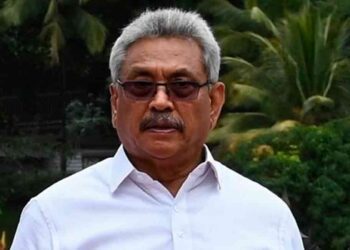
The President held multiple meetings in the Kalutara district before heading to a television network’s studio in Colombo—a historic moment, as it marked the first time a sitting president used such a platform to address the public. During the broadcast, Dissanayake explained the delays in fulfilling campaign promises, including the shortage of Nadu and red rice, two varieties highly sought after by the public. Concerns were rising over the potential lack of rice during the April National Avurudhu season, which could disrupt the traditional meal of kiribath (milk rice). Dissanayake even threatened to deploy the military to uncover hidden stockpiles, a move reminiscent of former President Gotabaya Rajapaksa’s failed efforts in the past.
Micromanaging Governance: A Sign of Urgency or Lack of Trust?
During the TV interview, the network’s journalists managed to draw candid answers from President Dissanayake, though the choice of network, which had ties to his government, limited his reach. Critics argued that he should have used a broader platform, such as a press conference, to ensure that all media outlets—radio, print, and others—could participate. Instead, Dissanayake’s choice seemed to isolate certain audiences, limiting the potential impact of his message. His predecessors had been more inclusive in their outreach, and some questioned whether this approach was the best strategy for addressing national concerns.
In recent weeks, critics have pointed to the gap between his election promises and the reality facing the people. Among the key pledges were lowering fuel prices by removing taxes and ensuring sufficient local rice production without the need for imports. However, with the price of coconuts skyrocketing to Rs 200, the government’s failure to meet basic expectations has directly impacted the public’s daily life. These issues have led to growing dissatisfaction, as reflected in the recent cooperative society election results, which showed a noticeable decline in support for the JVP-NPP.
The constant refrain of “ko horu allanavai kiva” (where is the pledge to catch thieves?) has become a rallying cry for the opposition, further adding to the pressure on Dissanayake to explain the delays in addressing corruption. His responses to these concerns, though aimed at reassuring the public, have not always had the desired effect. Moreover, the ongoing communication gap between the government’s highest levels and the general public has exacerbated feelings of disillusionment, even though social media has attempted to fill the void with updates—though not always accurate.
The President’s Personal Involvement: A Double-Edged Sword
With just over 100 days in office, President Dissanayake has increasingly taken on the role of micromanaging governance issues. Since returning from Beijing, his direct involvement in day-to-day operations has been more pronounced, sparking discussions about the potential reasons behind his approach. Some see it as a necessary response to the nation’s urgent problems, while others argue that it signals a lack of confidence in his cabinet and team. This hands-on style has drawn mixed reactions—some praise his proactive stance, while others fear it might indicate an overreach.
Beyond Dissanayake, the cabinet has shown little visibility in terms of addressing key issues tied to their ministries. The exception to this has been Foreign Minister Vijitha Herath, who has been actively engaging in international relations and diplomatic strategies. Yet, his efforts stand in stark contrast to the relative silence from other ministers on domestic matters. This lack of visible leadership and accountability from the cabinet has raised concerns about the functioning of the government as a whole.
The Need for a More Collaborative Approach
The President’s constant presence in tackling a wide range of issues could be seen as essential in the absence of a strong team dynamic. However, it underscores a deeper issue: the need for a more collaborative approach within the government. For a government to be effective, the president and the ministers must work in harmony, with each member actively contributing to their responsibilities. The public, who overwhelmingly supported this administration, needs to be kept informed regularly, rather than waiting for rare presidential addresses.
As it stands, President Dissanayake’s leadership is defined by his hands-on approach, but it also reveals a growing need for a more cohesive and accountable government. Only through a united effort, where both the leader and the ministers are visible and engaged, can the administration truly tackle the nation’s pressing challenges and meet the expectations of the people.