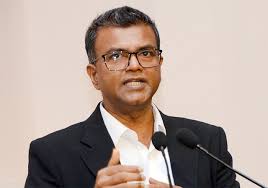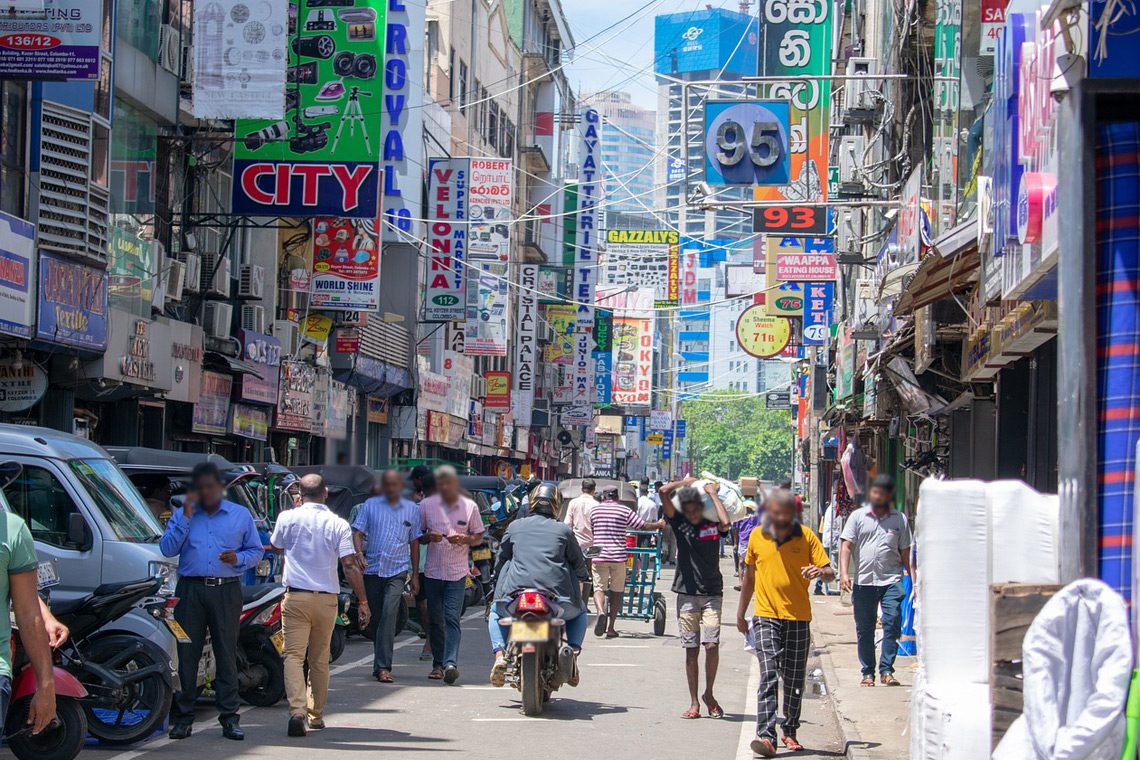

President Anura Kumara Dissanayake (AKD) initiated the Clean Sri Lanka (CSL) project on the eve of 2025, marking a pivotal moment in his presidency. With the nation watching, the project began with a ceremonial oath administered to ministers, politicians, and public servants, pledging their support for its successful implementation. However, while the vision is commendable, much remains to be done at the practical, grassroots level argues former Deputy Governor of the Central Bank W A Wijewardana
A Broader Definition of “Clean”
The CSL project goes beyond physical environmental cleanup. It aspires to cultivate a cultural shift, instilling empathy, respect, and accountability among citizens. AKD’s philosophy aligns with global ideals of sustainability, aiming to harmonize environmental, economic, social, and governance dimensions—termed the four pillars of sustainability. These goals, while lofty, require clear strategies and consistent action to ensure effective execution.
Tackling Environmental Mismanagement
The project recognizes the environment’s dual role as a resource and a dumping ground for waste. However, poor waste management and unchecked human activity exacerbate pollution, often overwhelming nature’s ability to regenerate. The CSL initiative emphasizes the need for proper waste disposal practices alongside education to foster responsible behaviors. Achieving this demands a blend of government policies and active citizen participation, highlighting the need for strong collaboration.
Changing Attitudes: A Daunting but Essential Task
A significant aspect of the project is addressing “extractive institutions”—systems that enable exploitation through corruption and inequality. AKD’s goal to establish “inclusive institutions” is crucial for sustainable development but necessitates extensive public education. Introducing concepts like emotional intelligence and collective responsibility in Sri Lankan society is ambitious and requires persistent efforts over time.
Bridging Knowledge Gaps
One critique of the project is the lack of accessible communication. The CSL website, currently available only in English, excludes significant portions of the population. Translating the website into Sinhala and Tamil, along with simplifying technical jargon, is critical. Furthermore, public servants must be equipped with the knowledge to internalize and implement the project effectively. Without such understanding, the initiative risks becoming an exercise in tokenism.
Learning from Past Failures
History offers lessons in bureaucratic inefficiencies, as seen with the Mahinda Chinthanaya policy framework, which many public servants struggled to comprehend. To avoid similar pitfalls, CSL must prioritize clarity and inclusivity in its outreach efforts, ensuring that all stakeholders—from government officials to grassroots activists—are aligned with its objectives.
Moving Forward
The Clean Sri Lanka project represents a significant step towards sustainable development and social transformation. However, its success hinges on a well-coordinated, inclusive approach that addresses practical challenges at the ground level. By empowering citizens, simplifying communication, and enforcing accountability, the project can truly embody its vision of a “Beautiful Island – Smiling People.”