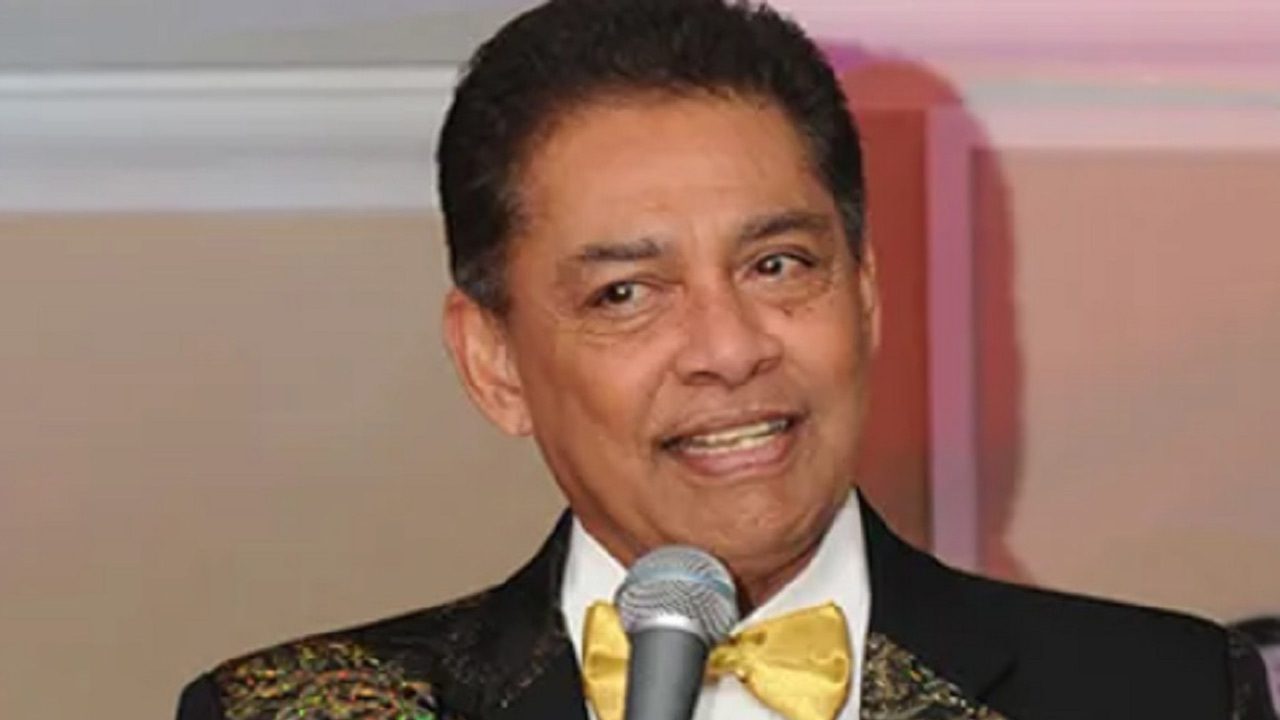

It was a balmy evening in Colombo, the kind that made the palms sway in rhythm with the ocean’s gentle whisper. In a small, packed concert hall, Desmond de Silva sat on a stool, his guitar cradled in his arms like an old friend. The crowd buzzed with anticipation, their eyes fixed on the man who had made the island’s hearts dance for decades.
“Ahh, this one,” Desmond chuckled into the mic, his voice as warm and vibrant as ever. “This one is for all of you who grew up with me. Let’s bring her back – ‘Chuda Manike!’” The hall erupted in cheers. The audience, young and old, leaned in, ready to be transported.
Desmond began to strum, and the melody took shape – playful, effervescent, and undeniably Baila. His voice, though weathered by time, still carried the boyish charm that had made “Chuda Manike” a hit years ago. The song was a tale of flirtation, laughter, and life – all the things that made Desmond’s music immortal. The crowd sang along, clapping and swaying, their faces glowing in the golden light of nostalgia.
“Chuda Manike” draws influences from Sega music, a traditional genre originating in Mauritius and other Indian Ocean islands. Sega’s vibrant rhythms and danceable beats share similarities with Sri Lankan Baila, as both genres have roots in the African diaspora and were shaped by colonial influences. Sega, with its lively percussion and repetitive melodies, was brought to Mauritius by enslaved Africans. It became a form of cultural expression that combined storytelling with danceable tunes, much like Baila in Sri Lanka. The Portuguese, who had connections across the Indian Ocean, likely facilitated the transfer of these musical traditions, which were then localized by the communities that adopted them.
A Life in Baila
Born with an unmatched gift for storytelling through music, Desmond de Silva was more than a singer. He was a symbol of Sri Lankan culture, an ambassador of Baila, and a voice that united the nation. From the bustling streets of Colombo to the serene coastal towns, his music found its way into every home, every heart.
“Chuda Manike” was one of his greatest hits, a song as colorful and mischievous as the man himself. It wasn’t just music; it was a celebration. The rhythm was infectious, the lyrics cheeky, and the performance always electric. Desmond didn’t just sing the song – he lived it.
With his signature wide-brimmed hat, silk shirts that shimmered under the spotlight, and that twinkle in his eye, he could charm an audience of thousands or bring life to a humble roadside gathering.
The Final Curtain Call
In his final days, Desmond remained true to his art. Even as his health began to falter, he refused to let the music fade. He performed from his living room for online audiences, serenading fans across the globe during the lockdowns.
“Music has no borders,” he would say, sipping tea after a performance. “It’s the language of the heart. And my heart will always sing.”
Desmond spent many happy years in Sydney, Australia, with his third wife, Phyllis Van Houten. They later moved to Melbourne, where he continued to perform with the same passion that defined his career. On New Year’s Eve 2021, he took to the stage for one of his last performances, singing and celebrating with fans as he had done countless times before.
Tragically, just days later, on January 9, 2022, Desmond passed away from a heart attack at the age of 77. His loss marked the end of an era for Sri Lankan music, but his legacy lives on in every joyful Baila tune and every dance floor that comes alive to his rhythms.