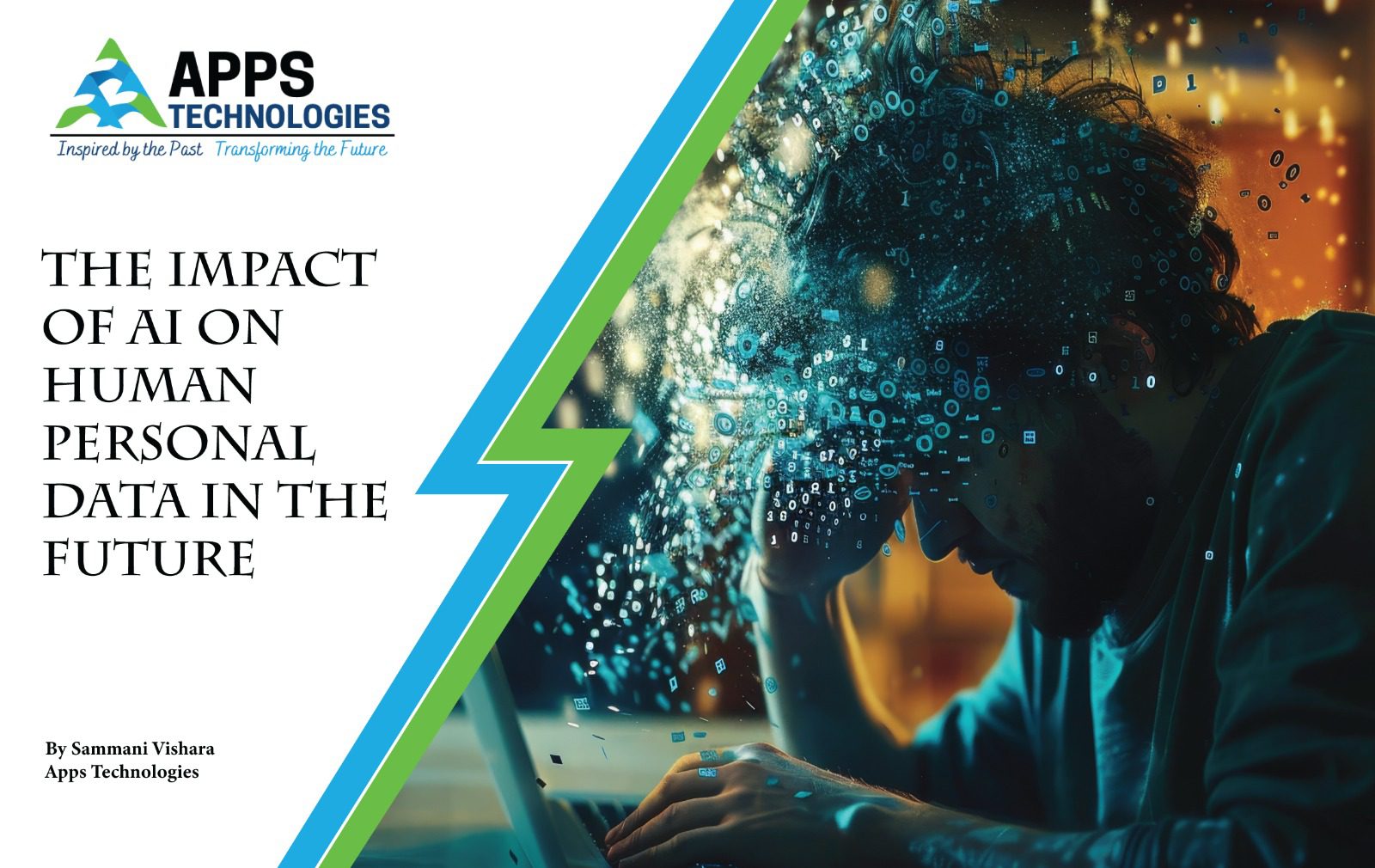


In recent years, artificial intelligence (AI) has come into its own. From the virtual assistants in our homes to recommendation engines that seem to know what we want before we do, AI touches almost every part of our daily lives. But as AI continues to advance, it raises big questions about a sensitive subject: our personal data. We’ll explore how AI is changing the way our personal data is used and what this could mean for our privacy in the future.
Understanding the Relationship Between AI and Personal Data
Think about all the data you generate every day: emails, social media posts, online purchases, fitness data, and even your browsing habits. These digital breadcrumbs are what AI uses to learn and improve, feeding into algorithms that power everything from the ads you see online to the news stories suggested to you. In simple terms, AI relies on personal data to be effective.
But AI’s need for data is a double-edged sword. On one hand, this data helps AI systems make life easier by personalizing experiences. But on the other, the sheer volume of data collected about us can feel invasive, especially when we consider how companies might be using it or even selling it.
Privacy at a Crossroads: The Future of AI and Personal Data

Privacy is at a critical juncture. The way companies and AI systems manage data today may look drastically different in the future, but whether this change will favor individual privacy or corporate interests remains uncertain. For instance, while current data protection regulations (like GDPR in Europe) are striving to empower users and set standards, the rapid evolution of AI technologies often outpaces regulatory measures.
One of the biggest concerns is data misuse. Data-driven AI models are becoming more advanced at predicting behaviors and preferences, which is great for personalization but can feel invasive. As algorithms grow increasingly adept at “knowing” us, the potential for data misuse increases. For instance, data breaches and unauthorized sharing could expose sensitive personal information, resulting in data abuse or even identity theft. With each advancement, AI raises new ethical and legal questions about who controls our data and what boundaries should exist around data usage.
Benefits of AI Using Personal Data Responsibly

If handled ethically, AI can provide substantial benefits without compromising privacy. For example, in healthcare, AI can use data to detect diseases at early stages, enabling preventative measures before conditions become severe. In transportation, AI can optimize traffic flow and reduce carbon emissions based on data collected from vehicles. These applications could improve public health and environmental sustainability, showing the potential for positive societal impacts if data usage is carefully managed
For the user, responsible AI-driven data use means more meaningful personalization. Imagine an online shopping experience tailored not just to what you might buy but also to ethical preferences, like sustainable products, or dietary restrictions. When AI respects user preferences and provides value without intruding, it can transform our experience in a beneficial, non-intrusive way. Such thoughtful integration could mark a balanced path forward.
Data Security Concerns: Protecting Against Cyber Threats

With personal data being a valuable commodity, the risk of cyber threats and data breaches is higher than ever. AI’s growth means more data is constantly being gathered, stored, and shared, increasing the potential targets for hackers. As AI systems become integral to critical infrastructures like finance, healthcare, and energy, protecting data becomes not just a personal privacy issue but a matter of national security.
In response, AI itself is also being deployed to detect and prevent cyber threats. Machine learning algorithms can identify unusual patterns in network traffic, potentially stopping breaches before they happen. However, while AI-powered cybersecurity tools are becoming essential, they’re not foolproof. Balancing AI’s power to protect data with the need for transparency and accountability remains a challenge for cybersecurity teams worldwide.
Ethics and AI: Navigating Consent and Transparency

The future of AI and personal data isn’t just a technical issue, it’s a matter of ethics. As AI systems rely on vast amounts of personal information, ensuring user consent and transparency is essential. Increasingly, people are demanding to know how their data is used, who has access to it, and what benefits or risks this might bring.
Developing ethical AI systems requires giving users control over their data, allowing them to opt-in to data collection or giving them the option to delete it whenever they choose. In addition, the technology industry may see a push towards “explainable AI,” where users can understand, in plain language, why and how AI systems make certain decisions about them. These ethical guidelines, if widely adopted, could help build trust in AI, making the technology feel less intrusive and more aligned with individual rights.
Paving the Way for a Balanced Future
The relationship between AI and personal data is complex and will continue to evolve in the years to come. While AI holds the promise of improved experiences, greater personalization, and new efficiencies, it also poses serious questions about privacy, security, and ethics. As AI advances, the challenge lies in finding a balance that allows us to benefit from AI’s capabilities while still protecting our personal data.
The future of AI and data privacy depends on our willingness to implement strong ethical standards, transparent policies, and effective data protections. For individuals, companies, and governments, maintaining this balance will be critical to ensuring that AI serves humanity responsibly, benefiting society without compromising the personal data we all value.
Author: Sammani Vishara

Reviewed By: Dinuk Pathiraja, Mihara Inuri, Kavithi Kulatunga, Vihanga Fernando