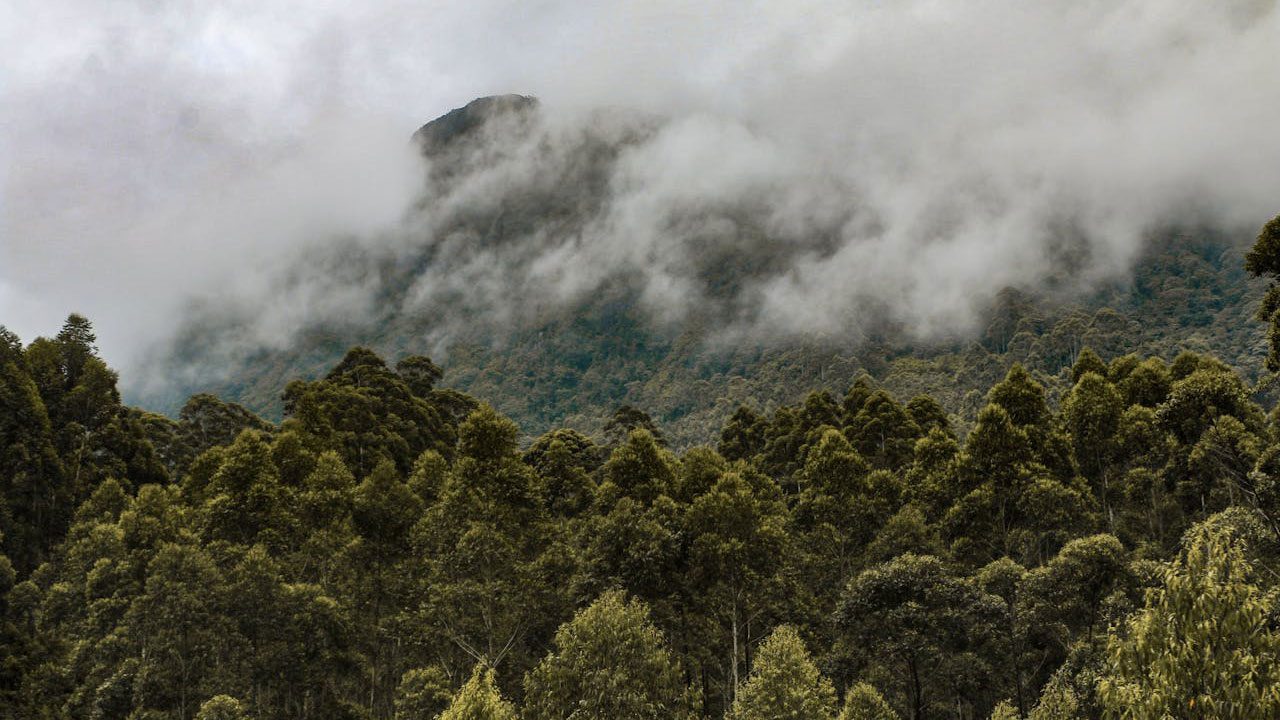

In a decisive move towards environmental conservation, Sri Lanka’s new government has formally revoked a controversial 2020 decree that transferred the management of nonprotected forests, known as “other state forests” (OSFs), to local governments. This decision follows a ruling by the Supreme Court, which deemed the decree a threat to the island nation’s ecological integrity.
The decree, introduced under former president Gotabaya Rajapaksa, had enabled local authorities to release OSFs for development projects without undergoing comprehensive environmental assessments. Advocates argued that this policy put Sri Lanka’s rich biodiversity, including endemic species and vital wildlife corridors, at significant risk. The court’s decision to overturn the decree is being celebrated as a landmark victory for conservation.
Environmental groups, led by the Environmental Foundation Limited (EFL), played a pivotal role in the legal challenge. “This is a victory for the environment and for future generations,” said Eric Wikramanayake, chair of EFL. He emphasized that the protection of OSFs is essential for preserving biodiversity, mitigating human-wildlife conflict, and achieving the nation’s climate goals.
Unprotected Forest
Covering 338,229 hectares, OSFs represent 5% of Sri Lanka’s land area belonging to the unprotected forest category. These forests, though not part of the formal protected area network, are biodiversity hotspots and carbon sinks. Studies have highlighted their significance, revealing high levels of endemism among species and warning of the potential loss of carbon storage if these areas were developed.
The Supreme Court’s ruling aligns with Sri Lanka’s commitment to the global 30×30 initiative, which aims to protect 30% of land and marine areas by 2030. By safeguarding OSFs, the government is making strides toward its national target of increasing forest cover to 32% and fulfilling its climate obligations under the Paris Agreement.
Beyond biodiversity, OSFs serve as crucial connectivity zones for wildlife. Conservation biologists Andrew Kittle and Anjali Watson of the Wilderness and Wildlife Conservation Trust stress the importance of these forests for species like leopards and elephants. These animals rely on OSFs to traverse between protected areas, reducing the likelihood of human-wildlife conflicts. Without these corridors, Sri Lanka’s escalating human-elephant conflict, which already claims hundreds of lives annually, could worsen.
The repeal is also a testament to the power of environmental advocacy. By mobilizing public support and presenting scientific evidence, activists ensured the prioritization of long-term ecological stability over short-term development gains.
The government’s decision marks a turning point in Sri Lanka’s environmental policy. It reinforces the importance of adhering to stringent environmental assessments and underscores the need for global cooperation in addressing climate and biodiversity challenges. As Sri Lanka moves forward, the protection of OSFs serves as a beacon of hope for sustainable development and conservation.