
A much-anticipated impeachment vote against South Korean President Yoon Suk Yeol failed after members of his People Power Party (PPP) boycotted the proceedings. The opposition-led motion required a two-thirds majority in the 300-member National Assembly but fell short when ruling party lawmakers left the chamber before the vote.
National Assembly Speaker Woo Won-shik announced the outcome: “With only 195 votes, the required majority was not reached. Therefore, I declare the vote invalid.” The boycott created a deadlock, leaving uncertainty over Yoon’s future.
Opposition lawmakers, primarily from the Democratic Party, control 192 seats and needed support from just eight PPP members to pass the motion. However, the PPP’s walkout derailed their efforts, despite indications earlier in the week that some ruling party members might join the opposition.
Three PPP lawmakers returned during the session, but Speaker Woo refrained from confirming the vote result, instead urging absent members to return “to protect South Korea’s democracy.”
The impeachment motion stemmed from President Yoon’s controversial declaration of martial law earlier in the week, which lasted just six hours before being overturned by the National Assembly. The decision sparked outrage across the political spectrum and led to mass protests in Seoul and other cities, with over 150,000 demonstrators gathering outside the assembly.
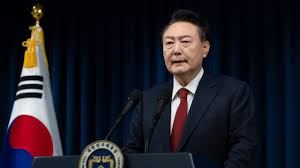
In a televised address before the vote, Yoon apologized for the martial law declaration, calling it a decision made out of desperation. He pledged to accept any political or legal consequences and vowed not to repeat such actions.
Despite his apology, opposition leaders remained critical. Democratic Party leader Lee Jae-Myung described Yoon’s apology as inadequate and called for his immediate resignation. Public sentiment also appears to favor impeachment, with a recent poll showing 73.6% of South Koreans supporting the motion.
The opposition has hinted at introducing another impeachment motion soon, possibly within days. Meanwhile, PPP members are reportedly exploring alternatives to manage the political fallout without further destabilizing the country.
Yoon’s presidency has been marred by controversies, including economic struggles, questionable appointments, and scandals involving his wife, Kim Keon-hee. Opposition lawmakers have accused Yoon of using his office to shield his family from investigations, citing his repeated vetoes of bills that sought to appoint a special counsel to investigate his wife.
The ongoing political crisis has drawn concern from international allies, including the United States and Japan, as South Korea, a key democratic partner in the region, navigates this period of uncertainty.