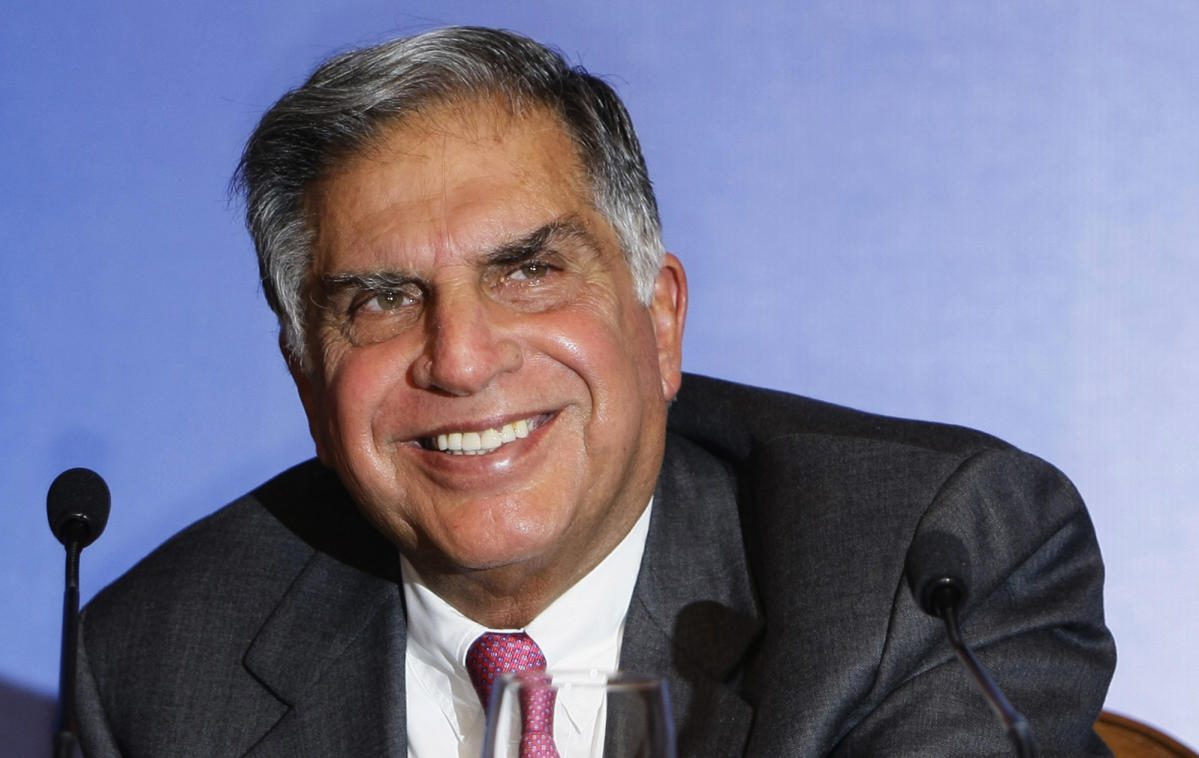

The world mourns the passing of Ratan Tata, an iconic industrialist and former chairman of Tata Sons, who passed away on October 9, 2024, at 86. Throughout his life, Ratan Tata exemplified leadership, compassion, and dedication, leaving a monumental legacy within India and across the globe. His contributions reshaped industries, improved lives through philanthropy, and established the Tata Group as a global business leader. In this tribute, we reflect on Ratan Tata’s extraordinary journey, achievements, and unwavering commitment to humanitarian causes.
Early Life and Education

Ratan Tata was born into the esteemed Tata family in 1937, known for its prominent role in Indian industry. However, Ratan charted his path with a distinct vision and determination. After schooling in Mumbai, he attended Cornell University in the United States, initially enrolling to study mechanical engineering. He later shifted his focus to architecture, completing his degree in 1962. His education at Cornell, coupled with a brief stint at Harvard Business School, significantly influenced his approach to leadership, problem-solving, and business strategy.
Leadership at Tata Group
Ratan Tata’s career began modestly on the shop floor at Tata Steel in 1962. This hands-on experience, coupled with his exposure to different industries within the Tata Group, gave him a unique perspective on business operations. In 1991, he succeeded J.R.D. Tata was chairman of Tata Sons, the holding company of the Tata Group, at a time when India was entering a new era of economic liberalization. Under his leadership, the Tata Group underwent a transformation that propelled it onto the global stage.

One of Ratan Tata’s most significant accomplishments was the international expansion of the Tata Group. During his tenure, he led the group to acquire several iconic brands, including Tetley Tea, Daewoo’s truck manufacturing arm, Jaguar Land Rover, and Corus Steel. These acquisitions not only diversified the group’s portfolio but also symbolized India’s arrival as a global business player. By the time he retired as chairman in 2012, the Tata Group’s revenues had grown to over $100 billion
Achievements and Vision
Ratan Tata’s leadership was not solely measured by financial success. He was equally committed to ethical business practices and corporate social responsibility. He firmly believed that businesses should serve the needs of society, a philosophy deeply embedded in the Tata Group’s ethos. One of his boldest initiatives was the launch of the Tata Nano in 2008, aimed at producing the world’s most affordable car. Although the Nano did not achieve commercial success, it exemplified Tata’s belief in innovation for the masses.

Another aspect of his visionary leadership was his emphasis on research and development, particularly in fields that could drive sustainable growth. He invested in several philanthropic ventures, including healthcare, education, and rural development. Through the Tata Trusts, one of the largest charitable foundations in India, he supported numerous causes aimed at uplifting underprivileged communities. Notably, the Tata-Cornell Institute for Agriculture and Nutrition, launched in collaboration with his alma mater, is a testament to his commitment to food security and agricultural innovation.
A Legacy of Philanthropy
Even after his retirement, Ratan Tata’s contributions to society continued through his leadership of the Tata Trusts. Under his guidance, these trusts significantly expanded their reach, focusing on areas such as healthcare, education, and rural upliftment. His philanthropy was not limited to India; he supported global initiatives, including partnerships with leading universities like Harvard and Cornell, contributing to research in fields such as agriculture and nutrition.
One of his final projects, close to his heart, was the establishment of a small animal hospital in Mumbai. This compassionate endeavor reflected his deep love for animals, a passion he often expressed throughout his life.
Personal Life and Values
Despite his immense success, Ratan Tata remained a private and humble individual. Known for his quiet demeanor and ethical principles, he was revered for his integrity and kindness. He never married, and throughout his life, he maintained close ties with his family, friends, and colleagues. His humility and unwavering belief in the importance of ethical conduct left a lasting impression on those who worked with him.
In his time, Tata enjoyed flying, a passion he nurtured since his days as a student. He was also a strong advocate for environmental conservation and had a keen interest in wildlife preservation.
Conclusion
Ratan Tata’s death marks the end of an era for Indian business and philanthropy. He will be remembered not just for transforming the Tata Group into a global conglomerate but also for his tireless efforts to use business as a force for good. His leadership, vision, and dedication to humanity have left an indelible mark on the world. As tributes pour in from across the globe, it is clear that Ratan Tata’s legacy will endure, inspiring future generations of business leaders and philanthropists to follow in his footsteps.
In Sri Lanka, as in many parts of the world, Tata’s impact is deeply felt—through his business ventures, charitable works, and the lasting relationships he built throughout his illustrious career. His life’s work reminds us that true leadership is measured not just by wealth but by the positive change one can bring to society.