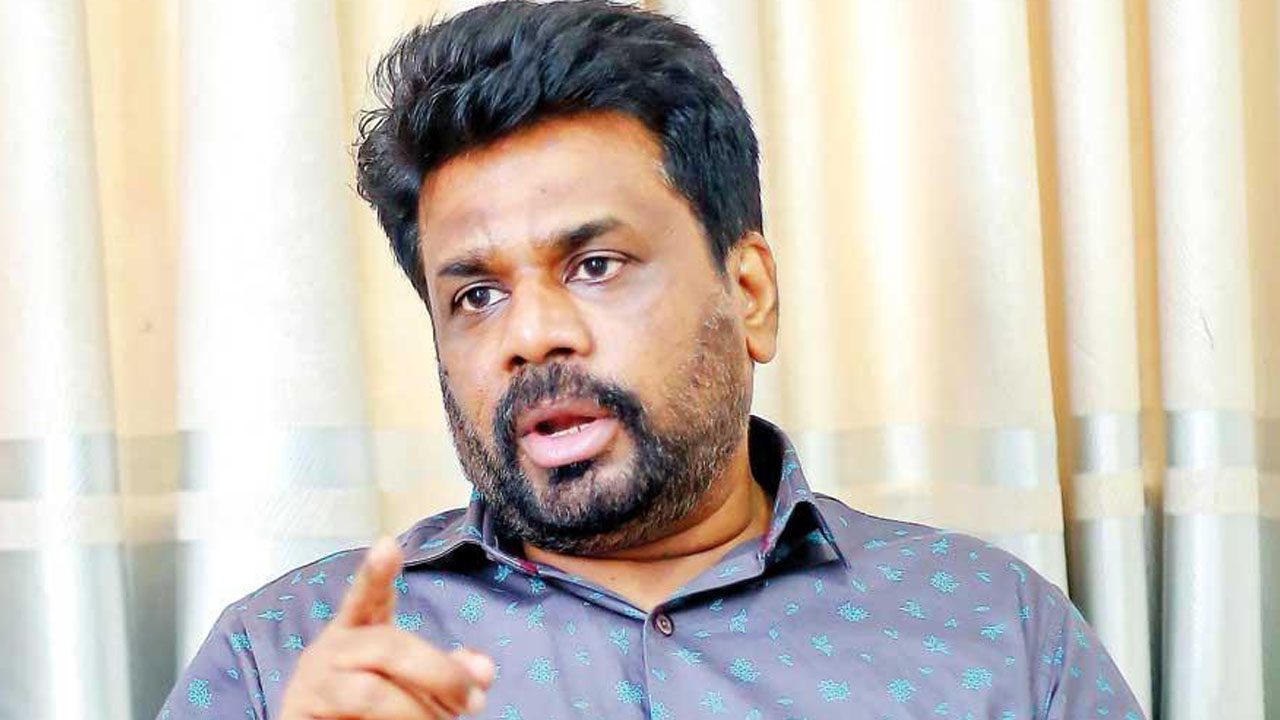

President Anura Kumara Dissanayake, in a recent television interview, assured the public that there is no need to fear data security issues related to the Sri Lanka Unique Digital Identity (SL-UDI) project. He emphasized the importance of trusting the experts managing and implementing this advanced system.
The government has already purchased 350 units of biometric hardware, such as high-resolution cameras and fingerprint scanners, for the SL-UDI project. Deputy Minister of Digital Economy, Eranga Weeraratne, stated that an additional 400 units have also been ordered. The SL-UDI aims to replace traditional ID cards with digital ones, improving services, reducing corruption, and strengthening the economy.
The Department of Registrar of Persons (DRP), responsible for issuing IDs, has invested 5.5 billion Sri Lankan rupees (SLRS) in the project. India has provided a financial grant of SLRS 10.4 billion, while the total project cost is estimated at SLRS 20 billion (around USD 67.3 million). This funding covers two advanced data centers, hardware, and three years of operations. The Sri Lankan government will contribute an extra SLRS 4.5 billion.
Concerns about Indian access to Sri Lankans’ personal data led the new government to renegotiate terms with India. As a result, the agreement was amended to ensure Sri Lanka has full control over the digital ID system. The platform is being developed with help from India’s non-profit Modular Open-Source Identification Platform (MOSIP), which has been involved since 2020. Minister Weeraratne confirmed that Sri Lankan professionals will fully manage the system, including login controls, database security, and software updates.
The project is in its final stages, with DRP training staff for implementation. Fingerprint and facial recognition data collection will begin next month, while iris scans will be introduced later as the system evolves. Initially, digital IDs will be issued to 16-year-olds receiving their first ID cards. After six months, older ID cards will be converted into electronic national identity cards (e-NICs).
Weeraratne also noted that institutions like banks will adopt the digital ID system, using fingerprint scanners to verify account holders. The government believes this initiative will pave the way for a modern, efficient, and secure identification system in Sri Lanka.