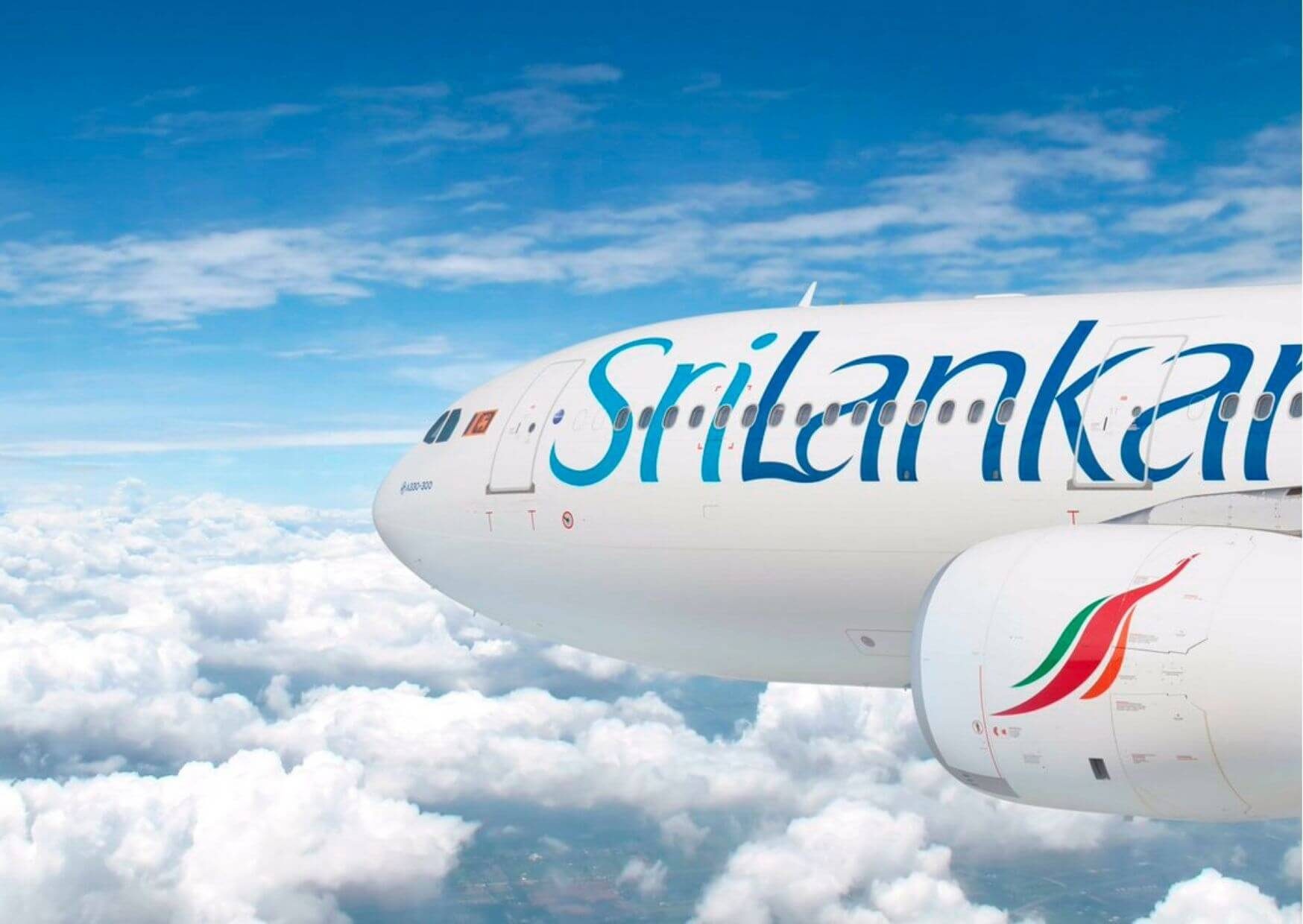

SriLankan Airlines finds itself at a critical juncture, caught between ambitious expansion plans and the lingering weight of mismanagement and financial strain.

The airline, once a symbol of national pride, has been embroiled in legal battles in foreign courts due to past corruption, with the Government now allocating funds from the 2025 budget to settle these cases. At the same time, the airline is looking to nearly double its fleet in the next five years and significantly boost revenue. However, without innovative and strategic reforms, these plans could add further burden to the economy rather than providing a viable path forward.
The Burden of Mismanagement
A telling example of the inefficiencies within SriLankan Airlines is the revelation that the airline has been paying USD 900,000 per month in installments for three aircraft that have remained unutilized for several years. Such financial hemorrhaging is unsustainable, particularly for a state-owned entity already grappling with operational losses. Furthermore, the airline employs a total of 6,056 staff members across its main airline operations and strategic business units, raising questions about overstaffing and inefficiencies in workforce management.
Ambitious Plans, But Are They Realistic?
Despite these challenges, SriLankan Airlines has outlined a bold five-year plan aimed at strengthening its operations. The carrier aims to increase its fleet from 22 to 51 aircraft, including six propeller aircraft for domestic and short-haul international routes. This is expected to drive revenue growth from the current USD 876 million (2024/25) to USD 2,013 million by the 2029/30 financial year.
However, expansion without addressing underlying structural issues could prove disastrous. Merely increasing the number of aircraft does not guarantee profitability, especially when the airline is burdened with inefficiencies and legacy costs. The proposed growth trajectory demands meticulous financial planning, strategic route optimization, and operational efficiency improvements.

A Need for Out-of-the-Box Thinking
Instead of relying solely on government bailouts and fleet expansion, SriLankan Airlines must explore innovative strategies to revitalize its operations. Some potential solutions include:
Public-Private Partnerships (PPPs): Bringing in strategic investors or partnering with international airlines could inject much-needed capital and operational expertise. This approach has been successfully implemented by other struggling national carriers.
Asset Optimization: Rather than increasing aircraft numbers, the airline should focus on maximizing the efficiency of its existing fleet through better route planning, optimizing turnaround times, and improving load factors.
Cost Rationalization: A comprehensive audit of staffing, procurement, and operational costs is essential. This may involve renegotiating supplier contracts, reducing redundant workforce costs, and eliminating inefficiencies.
Strengthening Domestic and Regional Connectivity: Introducing cost-effective domestic routes with propeller aircraft is a positive move, but it should be strategically implemented with demand-driven analytics to avoid operating loss-making routes.
Leveraging Technology: The airline should invest in digital transformation, including AI-driven pricing models, data analytics for route planning, and enhanced customer experience through automation.