
Sri Lanka, long renowned as the “Pearl of the Indian Ocean,” possesses one of the world’s most favorable environments for coconut cultivation. With coconut-based exports already surpassing USD 1 billion in 2025 (projected to reach around USD 1.2 billion), the industry has emerged as a vital pillar of the economy alongside tea and apparel. As the country works to strengthen its foreign reserves which stood at approximately USD 6.5–7.3 billion in early 2026 this sector offers a high-potential avenue for further growth.
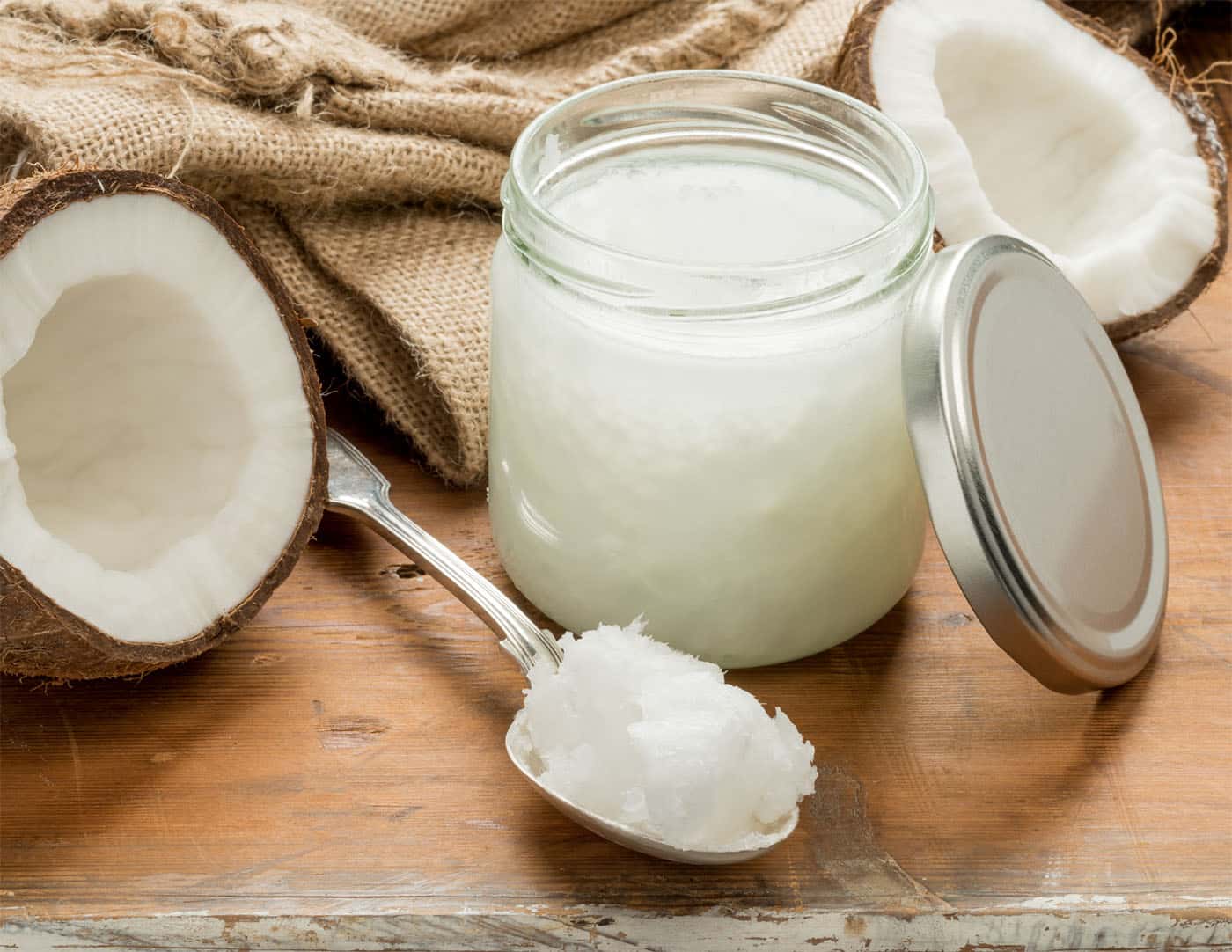
One promising niche is coconut oil pulling mouthwash a value-added product rooted in traditional Ayurvedic practices and aligned with booming global demand for natural oral care solutions.

The Global Rise of Oil Pulling and Natural Oral Care
Oil pulling, an ancient Ayurvedic technique involving swishing oil (typically coconut, sesame, or sunflower) in the mouth for 10–20 minutes, has gained significant traction in wellness communities worldwide. Proponents claim it reduces harmful bacteria, plaque, gingivitis, and bad breath while offering a chemical-free alternative to conventional mouthwashes.
Scientific studies provide moderate support: coconut oil, rich in lauric acid with antimicrobial properties, shows promise in reducing Streptococcus mutans (a key bacteria linked to tooth decay) and improving gum health, sometimes comparably to chlorhexidine mouthwash.
Global trends favor this shift:
– Consumers increasingly seek clean-label, organic, and natural personal care products.
– The broader coconut oil market is projected to grow steadily, with estimates ranging from USD 4.9 billion in 2026 to potentially USD 11–12 billion by 2033–2034.
– Virgin coconut oil, ideal for oil pulling due to its purity and mild flavor, forms a premium segment driven by health and beauty applications.
The oral care market is evolving toward natural alternatives, creating space for specialized products like flavored coconut oil pulling kits, ready-to-use mouthwashes, and travel sachets.
Sri Lanka’s Competitive Advantages
Sri Lanka is ideally positioned to lead in this niche:
1. Abundant Raw Material: The country produces billions of coconuts annually. Production forecasts for 2025 were around 2.85 billion nuts. Its tropical climate yields high-quality virgin coconut oil with excellent lauric acid content.
2. Established Export Infrastructure: Sri Lanka already exports significant volumes of coconut oil and virgin coconut oil, primarily to the USA, Europe, and Australia. The industry has demonstrated strong growth, with coconut-based exports jumping over 40% year-on-year in 2025.
3. Heritage and Authenticity: As a cradle of Ayurvedic traditions, Sri Lanka can market its products with genuine cultural credibility a powerful selling point in wellness markets that value authenticity.
4. Value Addition Potential: Moving beyond bulk virgin coconut oil (which fetched solid but lower margins) into branded oil pulling mouthwashes, organic blends (e.g., with peppermint, clove, or neem), and certified products allows for much higher export values per unit.
Strategies to Capture Foreign Exchange
To maximize foreign reserves, Sri Lanka could pursue the following:
Product Development and Branding: Invest in R&D for stable, pleasant-tasting formulations suitable for daily use. Develop premium organic lines with certifications (USDA Organic, EU Organic, Fairtrade, etc.) to command higher prices.
Target High-Demand Markets: Focus on North America, Europe, Australia, and emerging wellness markets in the Middle East and Asia. These regions show strong interest in natural oral care.
Public-Private Partnerships: Collaborate between the Coconut Development Authority, Export Development Board, and private firms to create export clusters, shared processing facilities, and joint marketing campaigns highlighting “Sri Lankan Ayurvedic Excellence.”
Sustainability and Traceability: Emphasize regenerative farming, smallholder farmer empowerment, and blockchain traceability to appeal to conscious consumers.
E-commerce and Direct-to-Consumer: Leverage platforms like Amazon and Shopify for branded products while building B2B relationships with natural health retailers.
With disciplined execution, the coconut sector’s goal of reaching USD 2.5 billion in exports by 2030 appears achievable, and oil pulling products could contribute a meaningful slice through premium positioning.
Challenges and the Path Forward
Challenges include global competition (especially from the Philippines and Indonesia), price volatility of coconut products, and the need for stronger scientific validation of oil pulling benefits to satisfy regulators and mainstream consumers. Climate change impacts on coconut yields and the need for modernized processing technology also require attention.
Nevertheless, the opportunity is substantial. By transforming its coconut wealth into high-value, health-focused exports like coconut oil pulling mouthwash, Sri Lanka can diversify its economy, create rural employment, and bolster foreign reserves in a sustainable way.
In an era where global consumers are willing to pay premiums for natural, tradition-backed wellness solutions, Sri Lanka’s “liquid gold” from the coconut palm could become a significant source of economic resilience and growth. The time to invest in this niche is now.
Join our WhatsApp / Telegram groups below.