
Sri Lanka could generate approximately $450 million each year by introducing a wealth tax between 1.7% and 3.5% on the wealthiest 0.5% of its citizens, according to a new analysis cited in Human Rights Watch’s (HRW) latest report, Tax Giveaways, Struggling Schools.
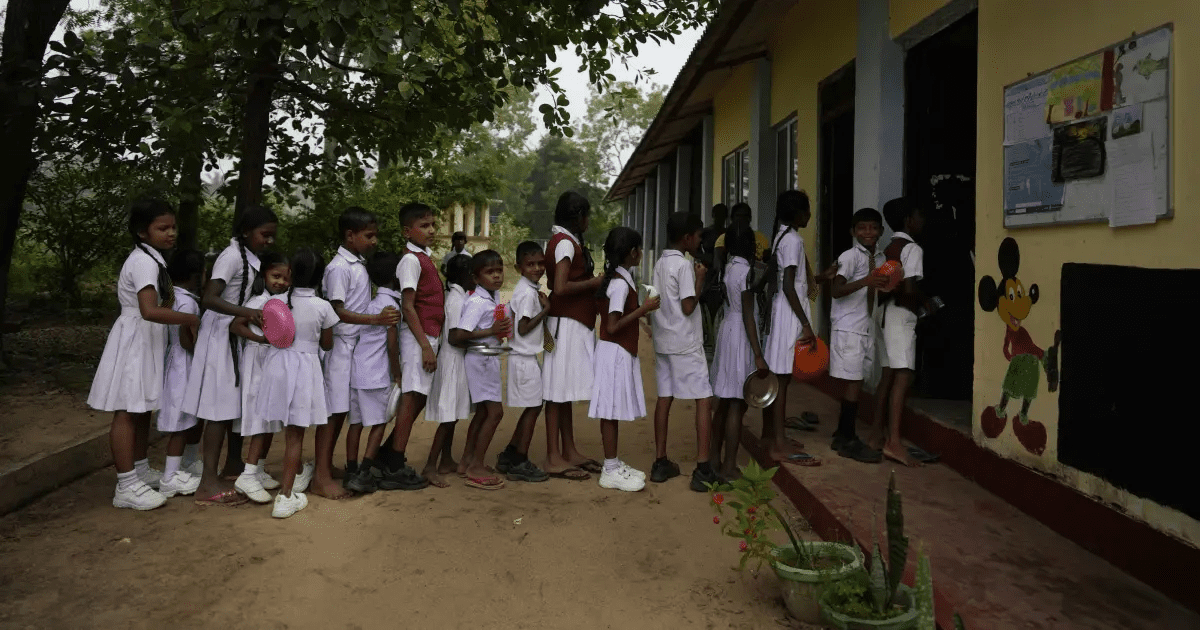
The rights organisation explained that this proposed levy, inspired by Spain’s “solidarity charge,” could produce nearly half of the funding allocated to the education sector in 2022. HRW argued that years of tax concessions and corporate exemptions have significantly eroded state revenues, worsening inequality and depriving essential services such as education of adequate financial support.
The report stated that successive governments have left Sri Lanka with a “regressive and insufficient” taxation system, weakening the state’s capacity to fulfil its human rights commitments. HRW identified weak personal income and wealth taxation, excessive corporate tax breaks, and corruption within revenue agencies as key contributors to persistent revenue shortages.
According to the report, corporate tax incentives granted through the Board of Investment and under the Strategic Development Projects Act cost the Treasury approximately Rs. 978 billion in 2022—equivalent to 56% of total tax revenue. HRW said these “tax giveaways” have diverted resources from education and public welfare while benefiting corporations and wealthy individuals.
The organisation also drew attention to Sri Lanka’s growing dependence on indirect taxation, particularly Value
Added Tax (VAT). Direct taxes made up 33% of total tax revenue in 1977, but averaged only 19% between 1980 and 2018. Although this share rose to 30% before the recent crisis, it is expected to fall again to about 25% under current fiscal reforms.
In contrast, the share of VAT—averaging 25% of revenue from 2010 to 2023—is projected to increase to over one-third between 2024 and 2027. A 2024 World Bank assessment described Sri Lanka’s VAT reforms as “particularly regressive,” linking them to a 3.9 percentage point rise in poverty.
HRW also cited findings from an International Monetary Fund (IMF) governance review, which revealed “virtually no culture of integrity” within revenue agencies, where corruption reportedly exists “at every level, including top management.”
The organisation urged the Sri Lankan government to adopt progressive tax reforms, increase transparency in granting corporate exemptions, and strengthen institutional capacity to enforce tax laws. It also called on global policymakers to finalise a UN tax cooperation treaty to combat tax competition and illicit financial flows, which continue to weaken the fiscal base of developing countries.