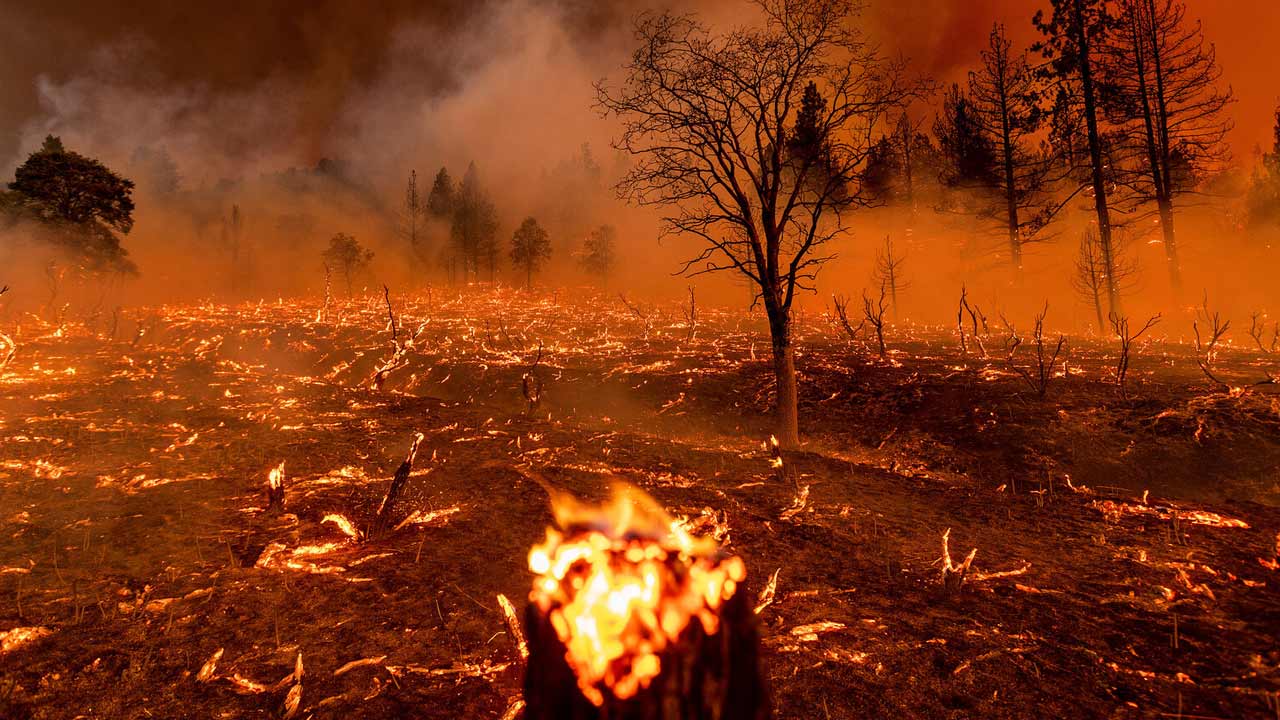

Canada is battling 742 active wildfires that have triggered air quality alerts across the U.S., while a new report reveals a shocking $1.5 trillion global cost from plastic-related deaths and injuries, highlighting a dual environmental emergency.
The Canadian Interagency Forest Fire Centre reports that the 2025 wildfire season, the second-worst in history, has burned 7.25 million hectares across provinces like Manitoba, Saskatchewan, and British Columbia. With 304 fires out of control, the blazes have displaced 40,000 people, destroyed 428 structures, and claimed two lives in Manitoba. Smoke from these fires has spread south, plunging U.S. states like Wisconsin, Michigan, and New York into “unhealthy” air quality levels, with Detroit ranking third globally for worst air on August 4. The EPA warns of respiratory risks from fine particulate matter (PM2.5), with Boston’s Logan Airport grounding flights due to poor visibility.
Climate change is fueling the fires, with experts noting hotter, drier conditions and “zombie” fires burning since 2023. Canada’s stretched resources have prompted aid from 1,400 international firefighters, but forecasts of warm, dry weather through September signal no immediate relief.
Simultaneously, a new report estimates plastic pollution costs the global economy $1.5 trillion annually due to health issues like cancer and respiratory diseases from microplastics and chemical pollutants. The crisis, worsened by inadequate waste management, mirrors the wildfire smoke’s health impacts, with calls for urgent action to curb single-use plastics and emissions.
As Canada’s fires rage and plastic pollution’s toll mounts, experts demand stronger forest management, a national wildfire agency, and global cooperation to tackle these escalating crises. The U.S. and Canada face growing pressure to act before the human and economic costs spiral further.