
April 16, 2025
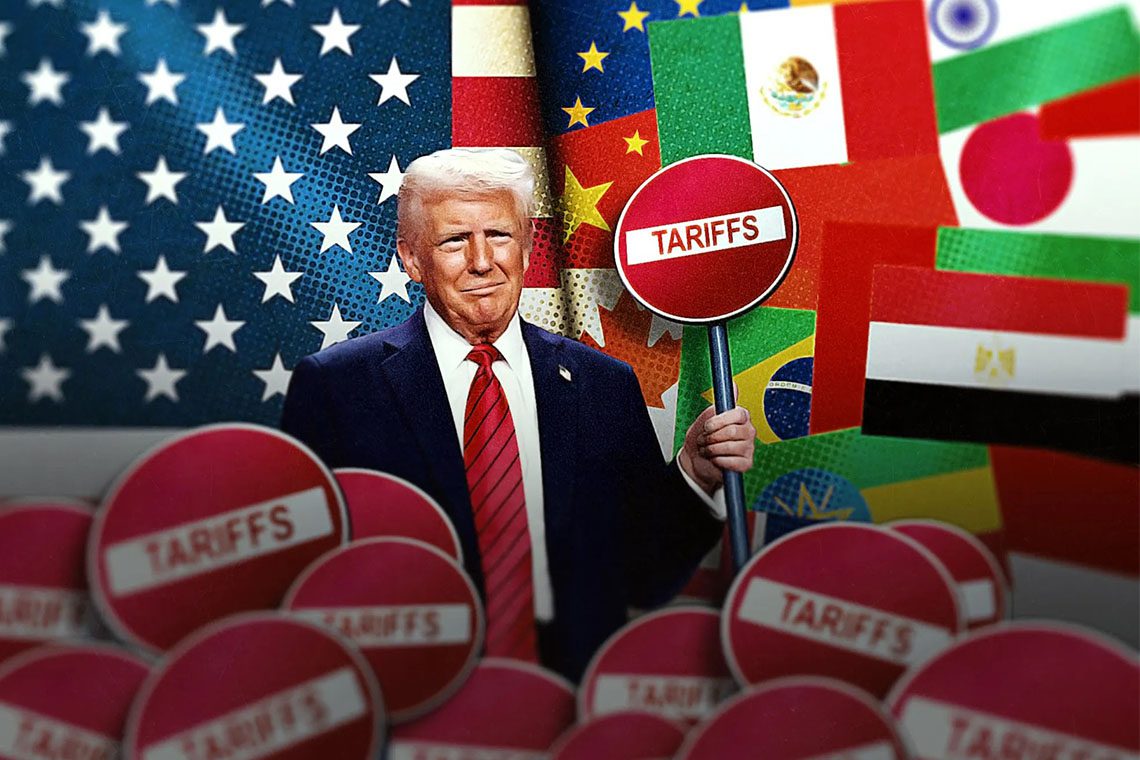
U.S. President Donald Trump has reignited global trade tensions by imposing a dramatic 245% tariff on all goods imported from China. This sweeping move has shaken international markets and prompted warnings from major economic institutions about a looming slowdown.
The World Trade Organization (WTO) has revised its earlier outlook for 2025 due to the tariff hike. Initially projecting a 2.7% rise in global trade, the organization now expects a 0.2% decline. It also trimmed its global GDP forecast from 2.8% to 2.2%, citing the renewed trade conflict between the world’s two largest economies.
China quickly responded with retaliatory tariffs on $60 billion worth of American products, directly targeting key industries such as agriculture and manufacturing. This response has triggered alarm across U.S. farming states like Iowa, where exports to China play a vital role in local economies. Senator Chuck Grassley has introduced bipartisan legislation that would require presidents to justify future tariffs, although Trump has pledged to block it if re-elected.
American businesses are already feeling the sting. Rick Woldenberg, CEO of Learning Resources, a company that relies heavily on Chinese manufacturing, said the tariff hike could increase his company’s import costs from $2.3 million to over $100 million in 2025. Many companies are now reconsidering their supply chains, delaying product rollouts, or seeking alternative markets.
The financial sector has reacted with notable instability. A Bank of America survey revealed that 80% of global fund managers see the trade war as the top threat to market performance. U.S. stocks have seen a wave of sell-offs, and fears of stagflation—rising prices amid slowing growth are becoming more pronounced.
As tensions between Washington and Beijing deepen, economists and global leaders warn that prolonged trade battles could have long-lasting impacts on the global economy, potentially reshaping trade dynamics for years to come.