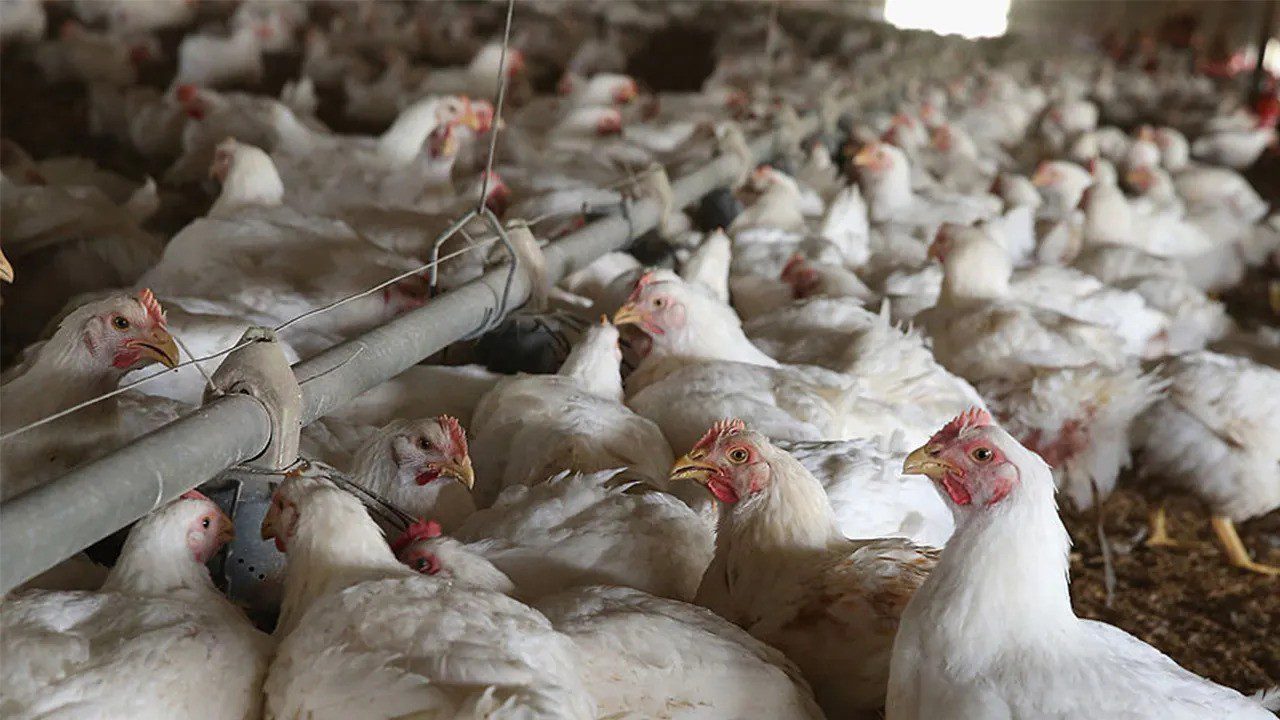

Sri Lanka has opened a fascinating chapter in its trade relationship with China by securing a deal to export chicken feet and heads—a cultural and economic milestone for the South Asian nation. While these parts are typically discarded as waste in Sri Lanka, they are delicacies highly prized in China for their texture, flavor, and cultural significance.
Sri Lanka’s Foreign Minister on This Breakthrough
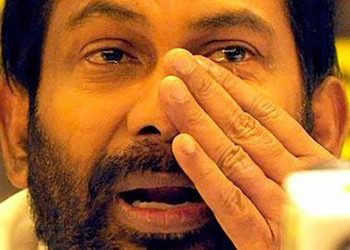
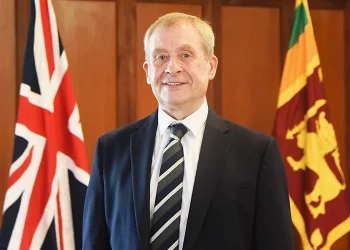
Foreign Minister Vijitha Herath has highlighted the significance of this agreement for both the poultry industry and the broader economy. Speaking about the deal, he remarked:
“What we see as waste—chicken feet and heads—becomes a delicacy in China. This agreement allows us to turn something that was previously discarded into an opportunity for profit. It’s a prime example of how we can use cultural differences to our advantage.”
Herath emphasized that this agreement is not only about boosting trade but also about resourcefulness and sustainability:
“In Sri Lanka, we need to start seeing the value in what we often overlook. By exporting these chicken parts, we are catering to a unique demand while maximizing the utility of our poultry industry. It’s a step toward a more efficient and forward-thinking approach to agriculture.”
Chicken Feet and Heads: A Culinary Treasure in China
In Chinese cuisine, chicken feet—known as “phoenix claws”—are much more than a byproduct. Their gelatinous texture, derived from rich collagen content, makes them a popular snack, side dish, or ingredient in soups. Spicy braised chicken feet are a staple in street food markets, while steamed or marinated versions are featured in dim sum restaurants.
Chicken heads are equally revered, often used in herbal soups, broths, and specialized dishes prepared with traditional Chinese medicinal ingredients. Beyond their taste, chicken heads are valued for their symbolic importance and nutritional content, such as brain matter and marrow, which are considered delicacies in many regions of China.
Herath underscored the unique nature of this cultural difference:
“For Sri Lanka, chicken heads and feet are seen as leftovers, but in China, they are celebrated for their flavor and cultural heritage. By tapping into this demand, we are not just exporting a product—we are engaging in a cultural exchange.”
Market Potential in China
China’s massive population and growing middle class create a vast market for niche delicacies like chicken feet and heads. As urbanization and disposable incomes increase, so does the consumption of culturally significant foods. This demand has already turned countries like Brazil and the United States into major exporters of chicken parts to China. Now, Sri Lanka has the opportunity to join this lucrative supply chain.
The global trade in chicken feet alone is worth billions annually. By entering the Chinese market, Sri Lanka could claim its share of this thriving sector. Moreover, as China’s domestic poultry production faces increasing environmental and economic challenges, reliance on imports is expected to grow, ensuring a sustained demand for quality products.
Herath reassured stakeholders that the government is committed to supporting the industry through this transition:
“We will ensure that Sri Lankan exporters are equipped to meet the highest international standards. This is a shared effort between the government, farmers, and the private sector to realize the full potential of this agreement.”
The new export deal between Sri Lanka and China represents a fusion of cultural appreciation and economic pragmatism. With Foreign Minister Vijitha Herath leading the charge, Sri Lanka is poised to turn overlooked poultry parts into a thriving export sector.
While chicken feet and heads may never grace Sri Lankan dinner tables, they are set to play a starring role in the nation’s trade relations with China. As Herath aptly put it:
“This agreement is proof that by understanding global needs and embracing creativity, Sri Lanka can unlock opportunities that once seemed impossible.”