
Mahinda Rajapaksa’s Security Concerns: Political Strategy or Genuine Fear?
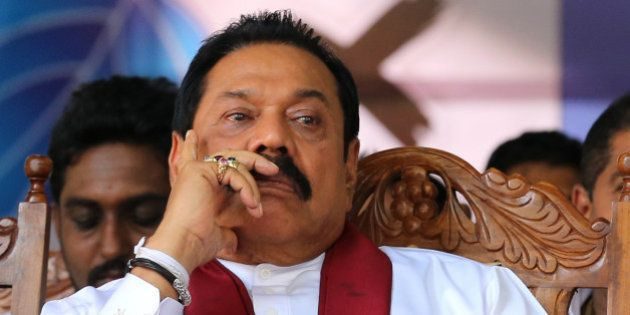
Former President Mahinda Rajapaksa has filed a fundamental rights (FR) petition with Sri Lanka’s Supreme Court, challenging the reduction of his security detail. His petition has sparked debate—some question whether this move is a political strategy or if the ex-leader genuinely fears for his life.

Rajapaksa’s security detail, once a robust force of armed forces personnel, has been drastically reduced to only 60 police officers. He claims that this change came without a proper security assessment, raising concerns about his safety. In his petition, Rajapaksa points to the lack of armed forces protection, a step he feels is vital given the terrorist threats he believes he faces.
As the leader who ended Sri Lanka’s long-running civil war, Rajapaksa’s enemies may not be limited to the political arena. The Tamil Tigers (LTTE), although officially defeated, could still harbor grudges against him. Rajapaksa has long been the figurehead of the military victory that crushed the LTTE after nearly three decades of conflict. Now, with reduced security, some speculate that he may be vulnerable to potential attacks—perhaps even from drone strikes, a modern form of warfare that has already been used in global conflict zones.
Rajapaksa himself has expressed fears that this reduction in security puts his life in danger. His family, too, has faced charges and allegations over the years, further fueling concerns that they may be targeted as a form of political revenge. Some critics believe that the former President’s request to restore his full security detail is more than just a precautionary measure; they suggest it could be a political strategy to boost his stature and create a narrative of victimhood, especially amid the shifting political landscape.

On the other hand, there are those who view his petition as a genuine plea for protection. After all, the Rajapaksa family’s role in Sri Lanka’s history has made them a symbol of both national pride and controversy. The National People’s Power (NPP) and other groups, who have criticized the Rajapaksas for their handling of the war and their family’s alleged corruption, may consider his calls for security a form of political maneuvering.
Rajapaksa’s move has serious implications for the government. If the Supreme Court rules in his favor, it could lead to a reinstatement of his full security detail and potentially alter the public perception of his family’s political influence. His request for a threat assessment also challenges the government to make a clear determination about the security risks facing him, bringing both political and national security issues to the forefront.
At the heart of it all is a man who, having led the charge to end Sri Lanka’s brutal war, now finds himself at the crossroads of political legacy and personal safety. Whether his petition stems from a genuine fear for his life or a carefully planned political strategy remains to be seen—but it’s clear that the security of Mahinda Rajapaksa, a pivotal figure in Sri Lankan history, is a matter that could influence the country’s future