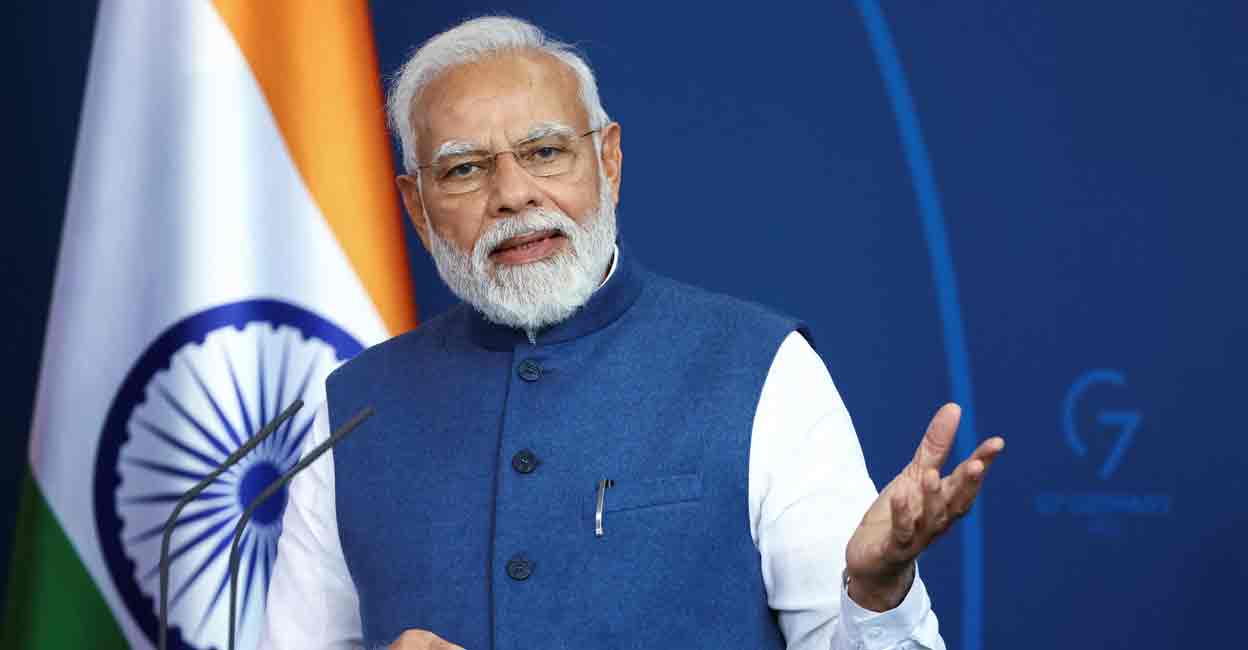

In the sprawling geopolitical theater, Prime Minister Narendra Modi straddles a precarious tightrope, juggling domestic discord and international expectations. As Asanga Abeyagoonasekera aptly notes in Modi’s Fragile Balancing Act: India’s Democratic Erosion & Its Geopolitical Dilemma, the prime minister’s once-heralded image as a master statesman now risks being overshadowed by the erosion of democratic principles under his watch.
The symphony of allegations against Modi’s confidant, Gautam Adani, amplifies this narrative. With accusations of orchestrating $250 million in bribes for energy contracts, the shadow of cronyism looms large over India’s economic elite. The BJP’s reflexive response—decrying a “deep state” conspiracy led by the West—betrays not strength but insecurity. This narrative, underpinned by claims of foreign manipulation and dramatized by invoking figures like George Soros, stokes domestic paranoia while straining international trust.
Abeyagoonasekera’s analysis draws attention to the heart of India’s geopolitical dilemma: balancing its indispensable role in countering China’s Indo-Pacific ambitions with the dissonance created by its domestic democratic backsliding. Despite robust military and economic ties with the United States—anchored by nearly $200 billion in annual trade—the trust underpinning this relationship is not invulnerable. Modi’s authoritarian tendencies, silencing dissent and vilifying opposition, challenge India’s reliability as a democratic partner in the region.
Trump’s Game
The stakes grow higher as global power dynamics evolve. The Trump administration’s overtures to Beijing, juxtaposed with criticisms of Modi’s governance by figures like Harmeet Dhillon, signal a potential recalibration of US strategy. Trump’s willingness to engage China while scrutinizing India’s internal contradictions reflects the fragility of a relationship once deemed unshakable.
For India, the path forward demands introspection. As Abeyagoonasekera asserts, domestic policies that undermine democratic norms may serve short-term political gains but exact a profound long-term cost on the nation’s global standing. The question reverberates: Can Modi’s India maintain its strategic indispensability without upholding the democratic values that underpin its partnerships?
In this high-stakes circus, where the fragility of democracy threatens to tip the balance, the world watches. The cost of a misstep, as Abeyagoonasekera warns, could be irrelevance—not just for Modi, but for India on the global stage.